Content
Order picking is the point where a customer's order stops being a number on a screen and becomes a physical load heading for the dispatch door. In plain terms, it is the process of retrieving the right items, in the right quantity, from their storage locations and bringing them together for checking, packing and shipping. Receiving, put-away and slotting all exist to make picking possible, and everything downstream depends on how well it was done.
Anyone who has spent a shift on the floor of a distribution centre understands why picking attracts so much attention. It is the most labour-intensive activity in most warehouses, and widely quoted planning benchmarks put it at roughly half of total operating cost. It is also the process most exposed to human variation: a picker walks, reads, counts and moves on, hundreds of times per shift, and small inefficiencies in travel or container choice multiply across an entire team.
One point is worth settling early. Order picking is not a single task but a chain of small decisions about which items travel together, which route they follow, what they are carried in, and where they are dropped off. Layout and equipment either support those decisions or work against them.
Most operations run one of the following patterns, or a blend of two. The right fit depends on order size, SKU count, product velocity and how much capital you can commit to automation.
None of these methods works without a container strategy. Batch and cluster picking in particular depend on carts and bins that keep orders separated, visible and stable while they travel.
Before changing anything, it pays to know which part of the pick is costing you most. The table below summarises the time distribution that warehouse planners most often report, together with the countermeasures that reliably move the numbers.
| Stage of a pick | Commonly reported share | Practical countermeasure |
|---|---|---|
| Travel between locations | Around half | Slot fast movers near dispatch and consolidate pick faces |
| Searching and reading labels | Roughly one fifth | Consistent labelling, clear signage and better lighting |
| Picking and counting | About one fifth | Standard pack quantities and barcode verification |
| Sorting and consolidation | The remainder | Right container, batch logic and a defined handover point |
Two conclusions follow. Travel is the biggest single target, which is why layout work and slotting usually pay for themselves quickly. The container you pick into then shapes sorting and handover, the part of the process that is easiest to overlook and hardest to correct later.
At Shanghai Betis we have spent more than ten years building the metal containers that pickers actually handle, and feedback from the floor is remarkably consistent. Pickers want loads that roll easily, contents they can see without opening anything, and equipment that folds away when it is empty.
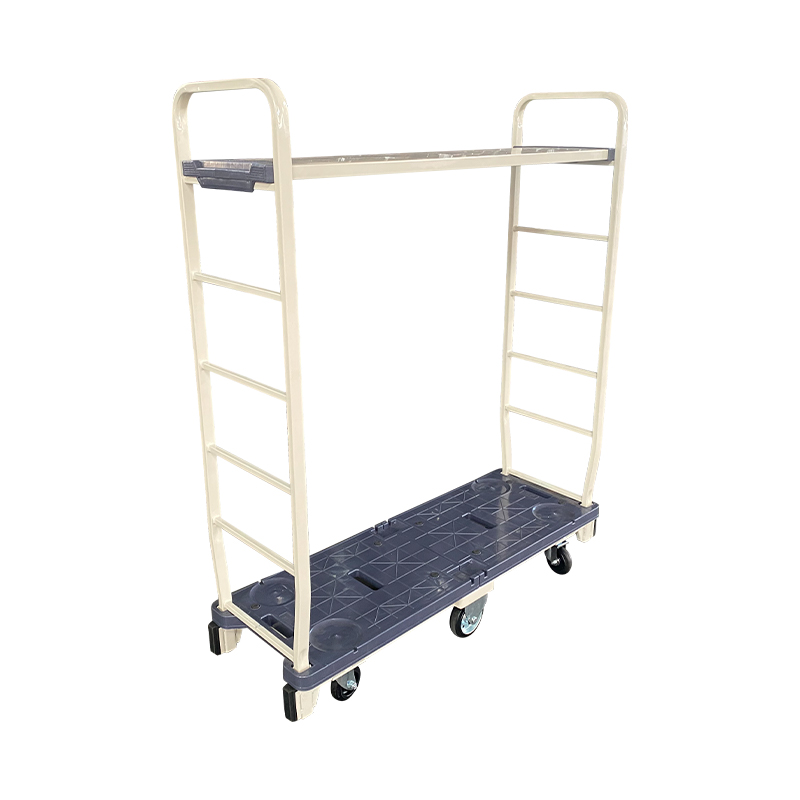
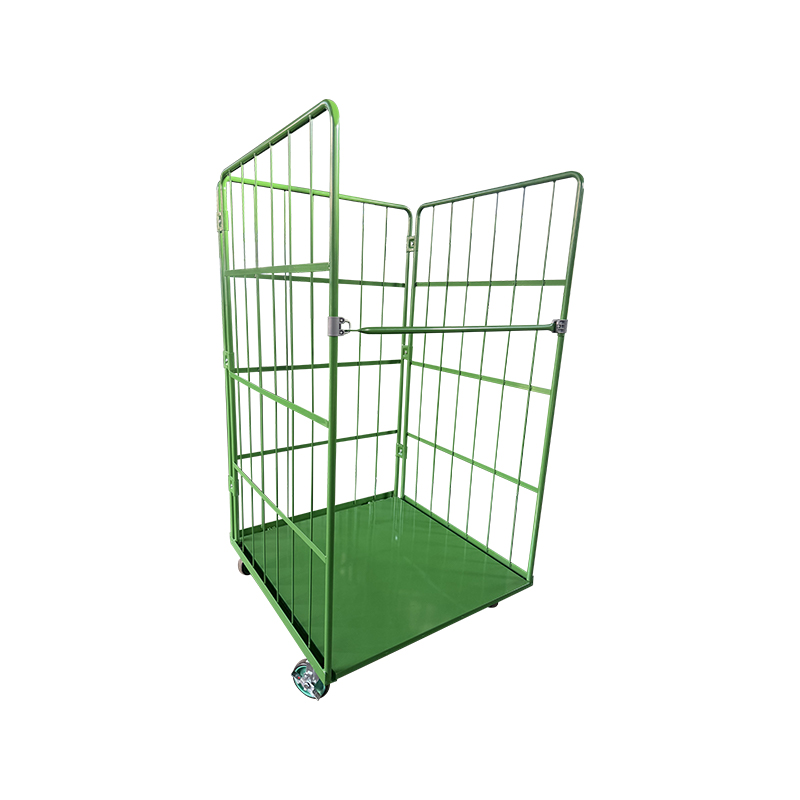
A picker who has to transfer goods from a tote onto a pallet has been given work that adds no value. Roll cage trolleys remove that step, because the picked goods stay in the cage from the aisle to the loading bay. Our L-type roll cage trolley is built for narrow aisles and tight turns, and the frame folds for the empty return trip.
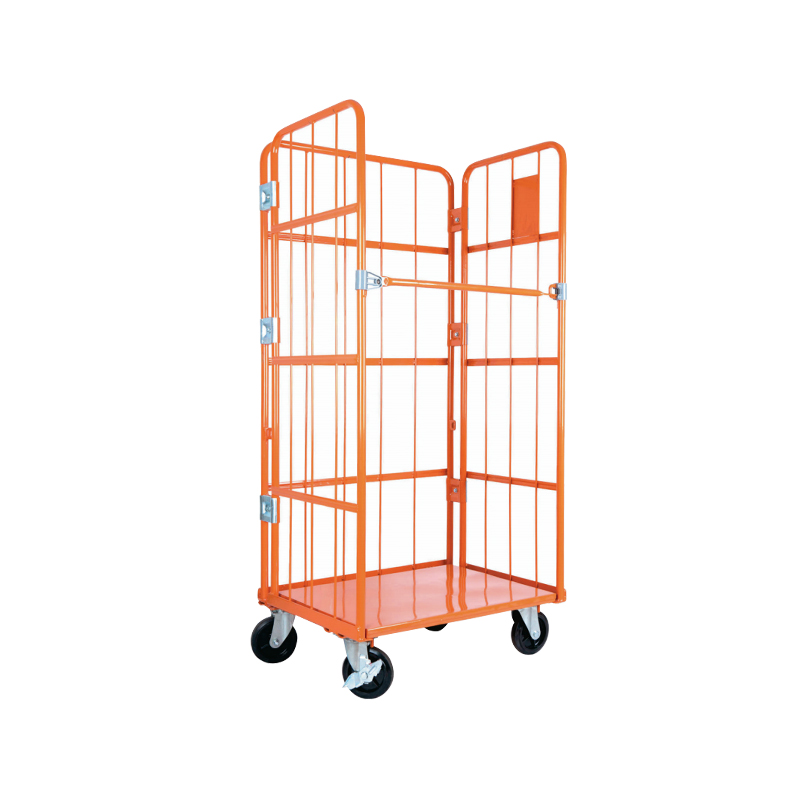 L- Roll Cage TrolleyDescribe The L-Roll Cage Trolley is sturdy and durable to simplify material handling and transportation tasks in industrial and commercial environments. Its L-shaped d...View Product →
When several orders travel together, visibility and separation matter more than ever. Wire mesh containers let a supervisor check a load at a glance, and stackable versions turn a completed pick into a storage unit, so finished orders can wait for a vehicle without occupying floor space. The collapsible frame keeps empty containers compact on the return leg.
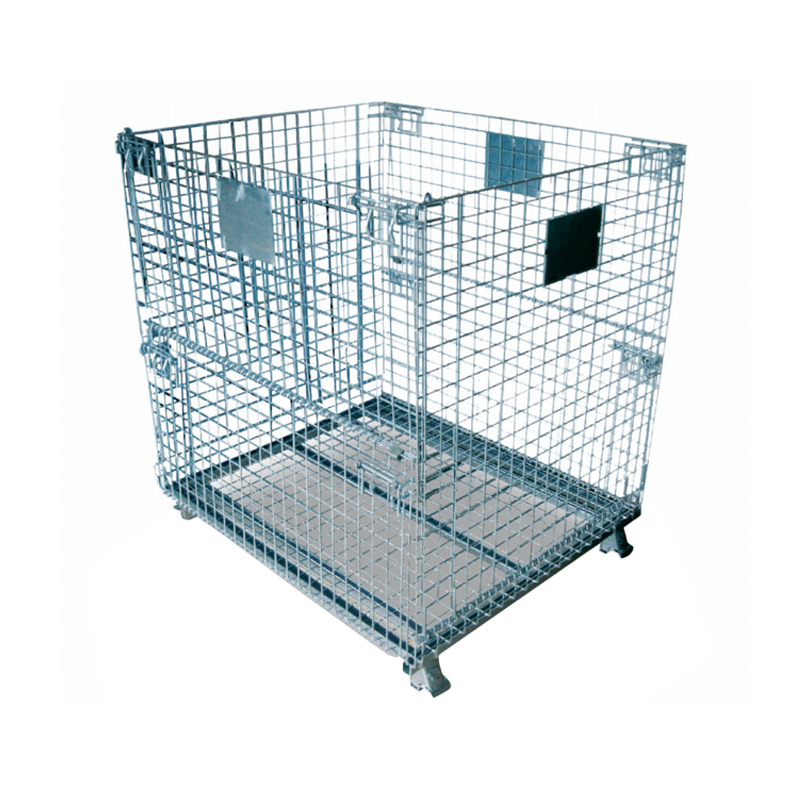 Stackable Wire Mesh ContainerSpecification Model Nominal Size WxDxH(mm) External dimension WxDxH(mm) Internal dimension WxDxH(mm) Mesh (mm) Wire (mm) Weight (kg) BTS-ZB-5 1000X800X840 1050X860X855...View Product →
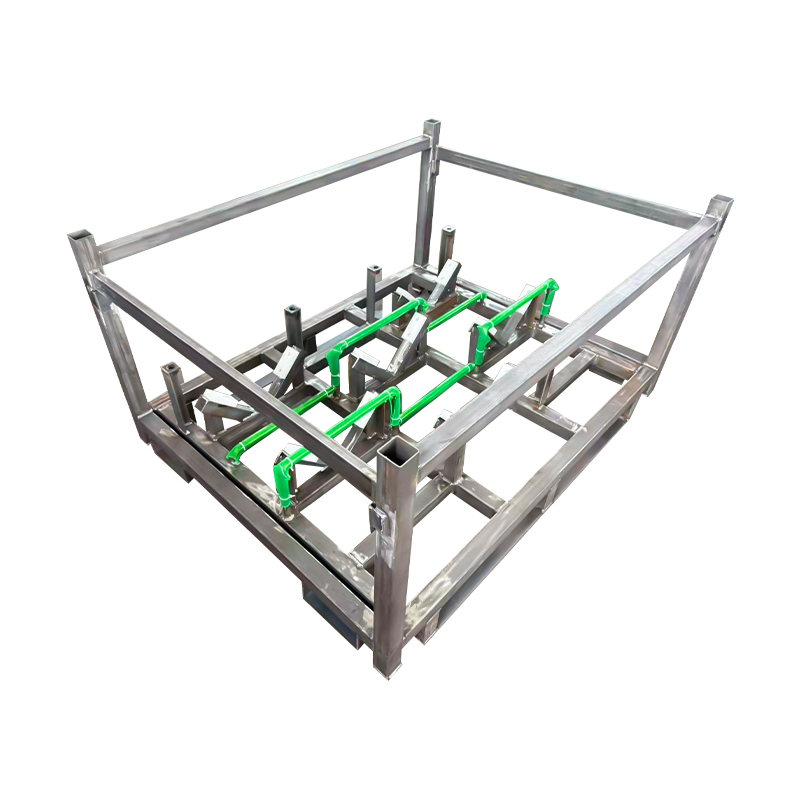
Not every order is picked case by case. In manufacturing and wholesale, a pick often means moving a complete pallet or a heavy sub-assembly to the next process. Foldable steel stillages carry that load, stack when loaded and collapse when empty, which is why they are so common in automotive and component supply chains.
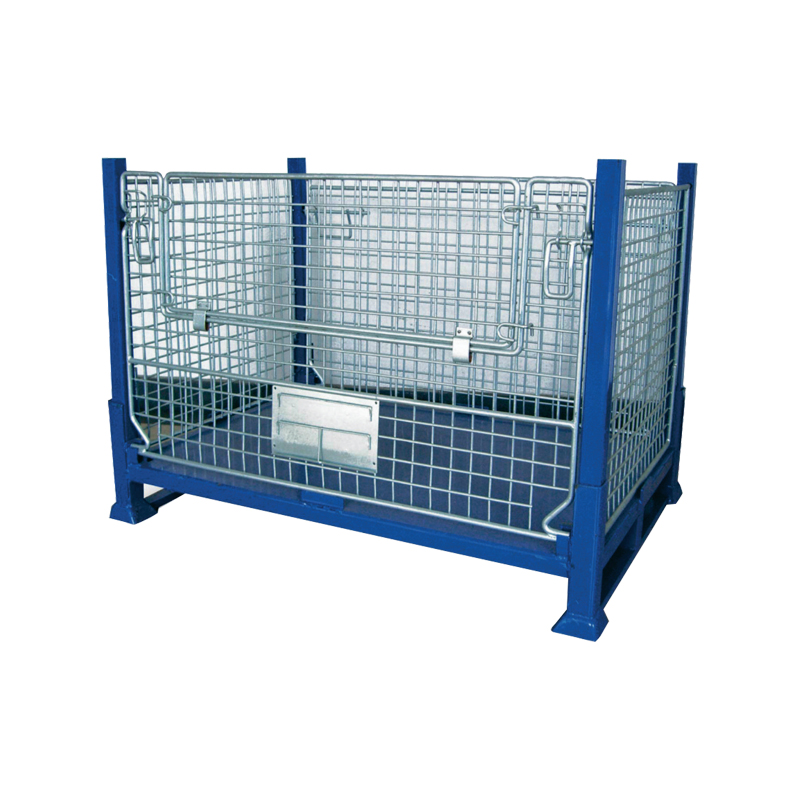 Euro Foldable Steel StillageDescribe The Euro Foldable Steel Stillage is equipped with a display panel to increase its functionality, providing a designated area for labeling or displaying conten...View Product →
The sequence below is the one we recommend to customers who ask where to start. It moves from measurement to layout to equipment, so that every purchase is justified by a number rather than a hunch.
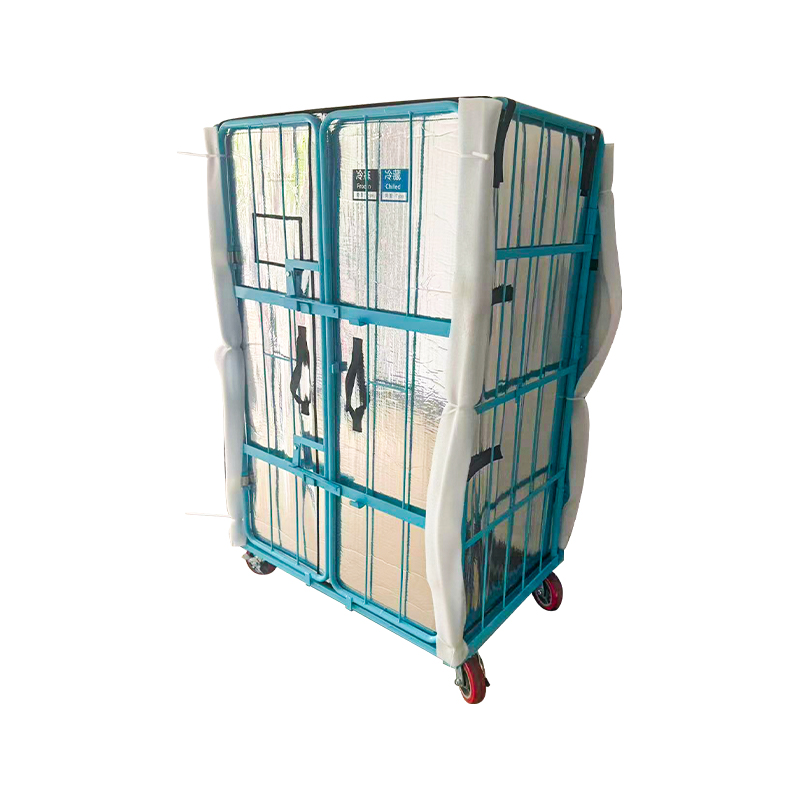
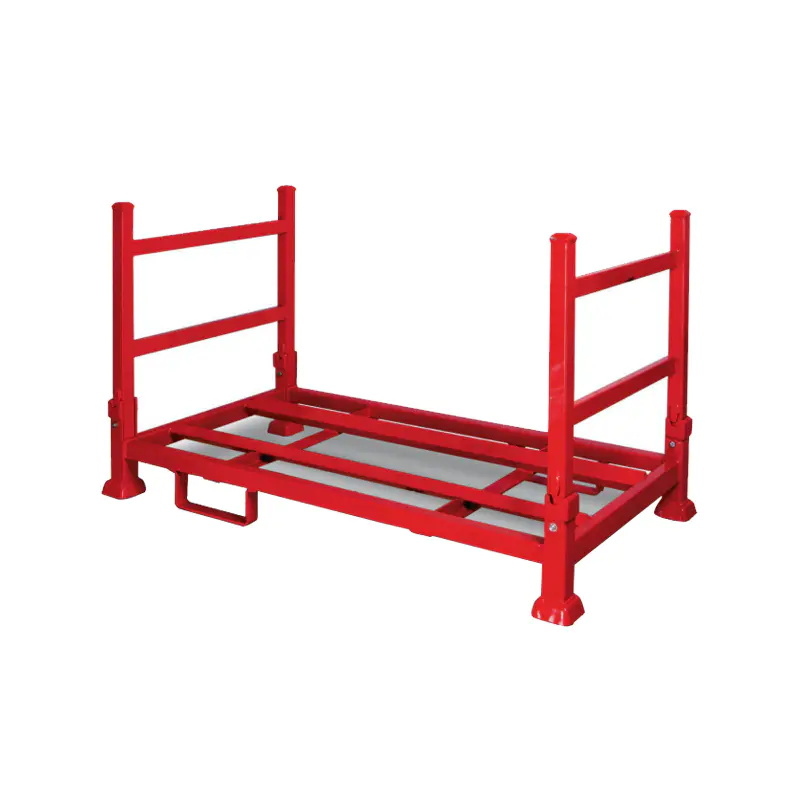
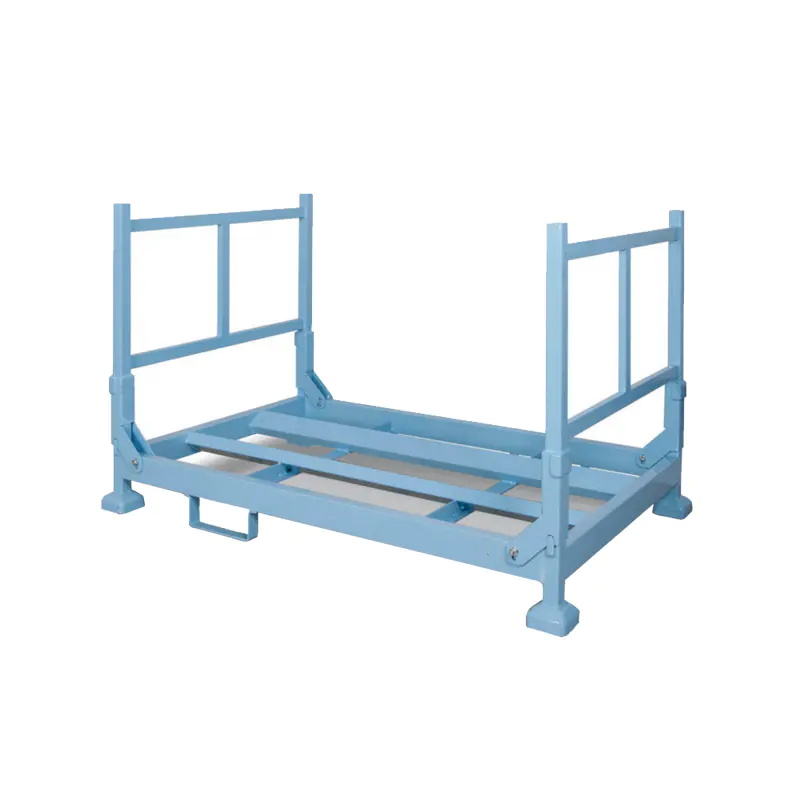
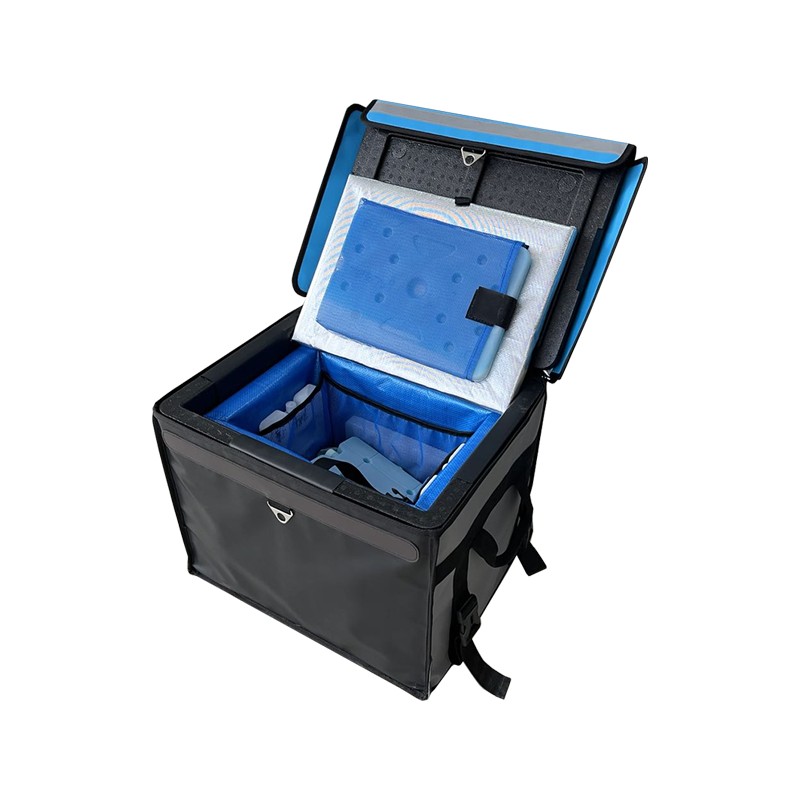
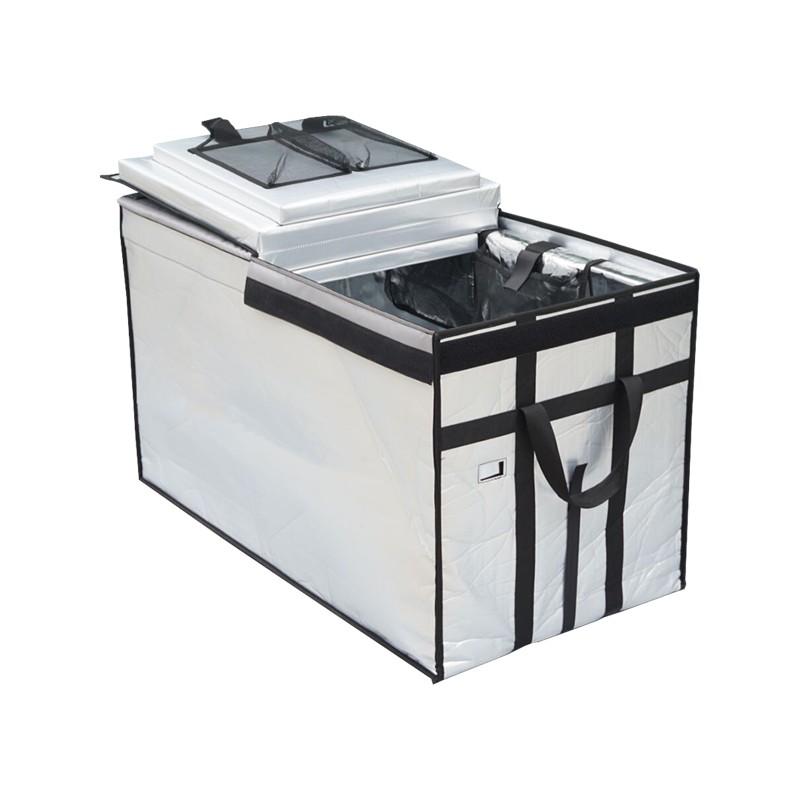
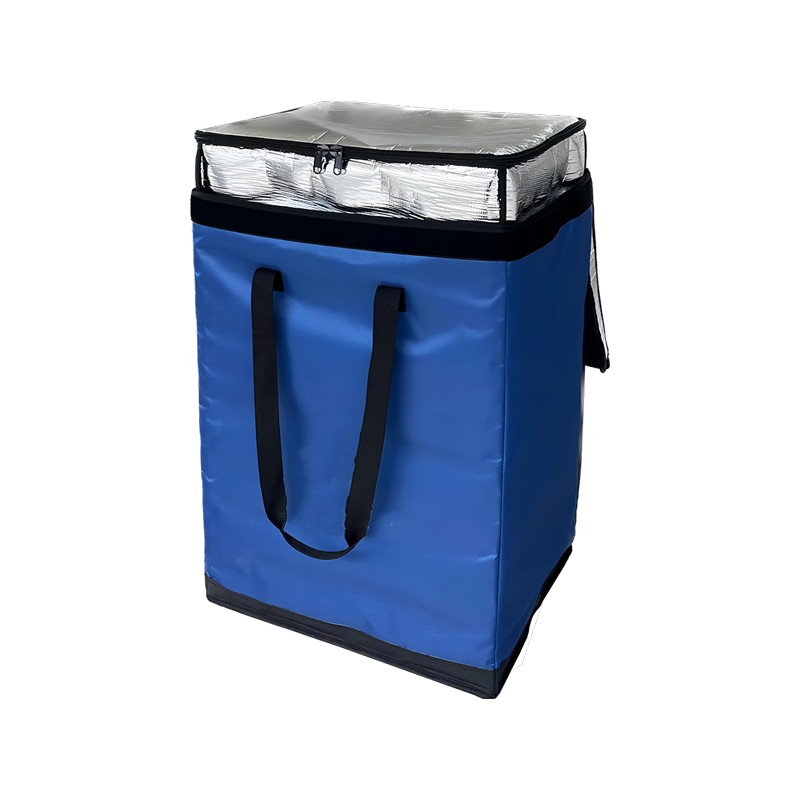
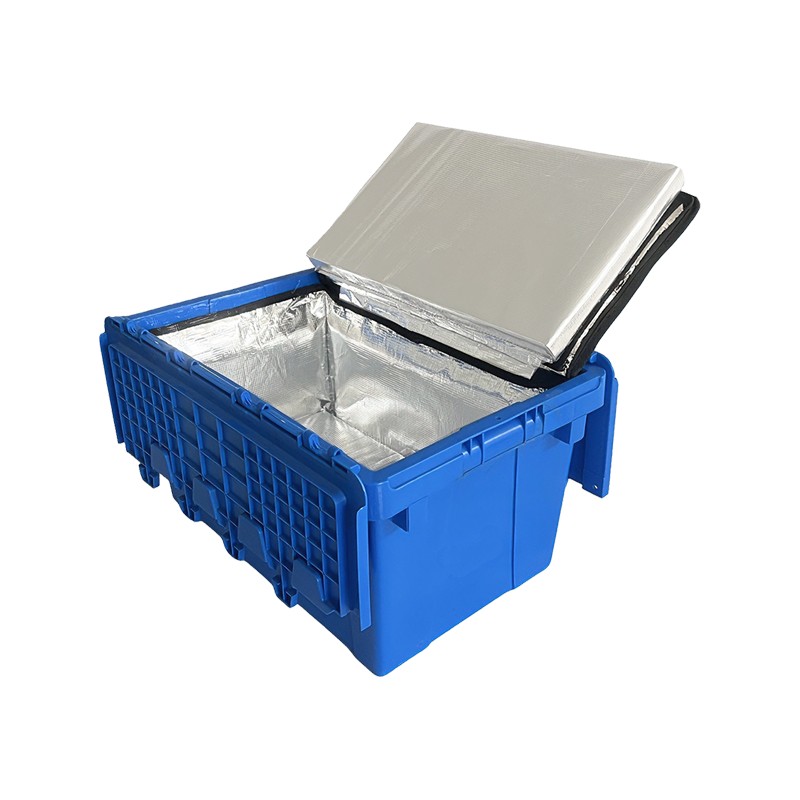
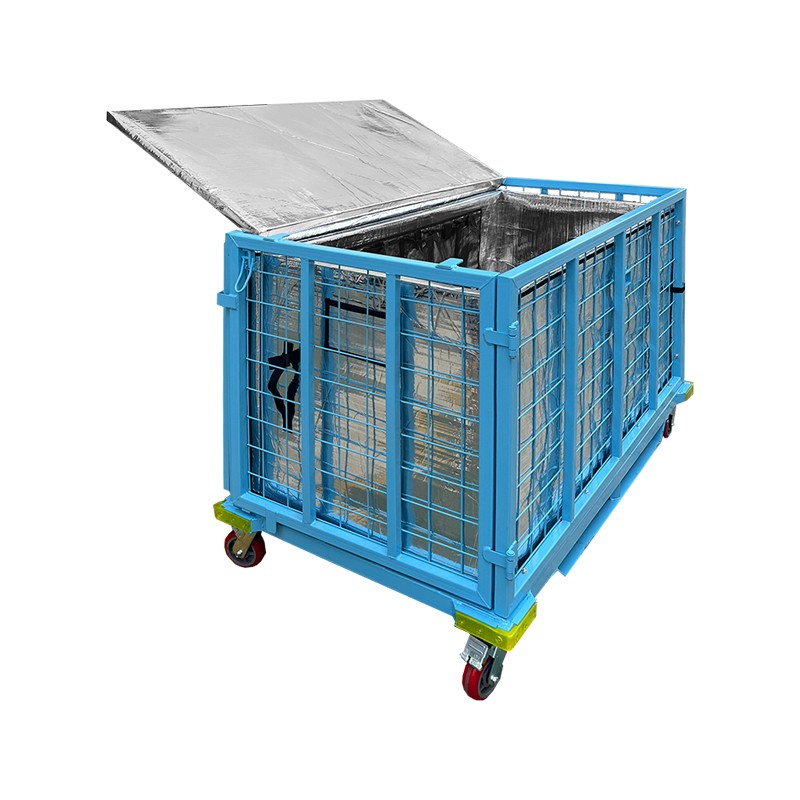
Picking profiles differ enormously between industries, and a container that suits one rarely suits all. A grocery distribution centre handling thousands of small cases needs different trolleys from a tyre distributor moving heavy, awkward goods, which is why we build dedicated tire storage racks alongside our general range. Cold chain operators face a third set of constraints, because temperature control has to survive the pick, the handover and the delivery run.
Shanghai Betis Logistics Equipment Co., Ltd. has manufactured metal unitised logistics containers since 2014, with an annual output of more than 100,000 sets and a team of more than 50 people. We work from customer requirements rather than a fixed catalogue, using design software and ERP-supported processes to keep custom projects on schedule. Our stated quality principle, high standards, fine detail and zero defects, is the standard we hold ourselves to on every order.
If you are reviewing your picking process, start with a simple question: what does a picker carry, and where does that load go next? The answer usually points to one or two pieces of equipment that remove a handling step rather than add one. That is the kind of improvement that pays back quietly, shift after shift.
Copyright © 2024 Shanghai Betis Logistics Equipment Co., Ltd. All Rights Reserved.
 Custom Metal Storage Cages Manufacturers

 English
 中文简体
中文简体 日本語
日本語