Content
Most managers assume they need a larger facility when orders start backing up. The data says otherwise. Industry studies consistently show that poor warehouse organization layout can force pickers to spend 30–40% of their time walking—time that adds zero value and stretches fulfillment cycles.
A square foot of poorly arranged space costs nearly as much as a square foot of optimized space, but delivers a fraction of the throughput. Shift the focus from total area to flow density, and the numbers pivot fast. One major 3PL reduced travel distance by 28% after a layout restructure without adding a single square foot.
Layout isn't just about racks and aisles. It determines how every dollar spent on labor, equipment, and energy turns into shipped orders. When you treat layout as a productivity multiplier, you realize that a cramped 50,000-square-foot facility can outperform a chaotic 100,000-square-foot one. The following principles break down the decisions that separate high-velocity operations from those that constantly play catch-up.
The single biggest mistake is designing a layout around current inventory levels instead of around flow. Inventory profiles shift. Layout should be a flexible framework, not a static snapshot. That starts with choosing the right flow pattern.
Every warehouse organization layout falls into one of three fundamental flow geometries. The choice shapes travel distances, labor deployment, and even how well your building handles seasonal spikes.
Receiving and shipping docks sit on the same side of the building, with storage and picking zones forming a loop. This is the most common pattern in cross-dock and fast-turn operations because it minimizes the distance between inbound and outbound.
U-shaped layouts can reduce walking distance by up to 30% compared to straight-line designs for facilities with high SKU velocity. They also allow shared dock resources—the same personnel and equipment can toggle between receiving and loading depending on the time of day. The downside: congestion risk at the common dock face, which requires rigorous slotting discipline.
Receiving docks are at one end, shipping docks at the opposite end. Products move in one direction only. This pattern excels in high-volume, low-SKU-count environments where goods travel long distances but rarely backtrack. Automotive parts suppliers often favor straight-line flows because they mirror assembly-line cadence.
Straight-line layouts demand more building depth but offer the clearest segregation of inbound and outbound traffic, reducing the need for complex dock scheduling. Space utilization tends to be slightly lower than U-flow because the center aisle becomes a dedicated travel lane rather than dual-purpose storage.
Docks are on adjacent walls, forming a right-angle flow. This pattern makes sense when site constraints or existing building orientation prevent a clean U- or straight-line shape. L-shaped designs can decongest separate work zones but often add 10–15% more travel distance unless pick paths are carefully engineered.
Below is a quick-reference comparison that many facility engineers use when evaluating options.
| Pattern | Travel Distance | Space Utilization | Best For | Congestion Risk |
|---|---|---|---|---|
| U-Shape | Low | High | High SKU velocity, cross-docking | Moderate at docks |
| Straight-Line | Moderate | Moderate | High volume, consistent SKUs | Low |
| L-Shape | Moderate-High | Moderate | Constrained sites, multi-zone ops | Low |
No single pattern wins. A U-flow might collapse under heavy returns processing; a straight-line layout can crumble if inventory mix expands. Choose the pattern that aligns with how your inventory actually moves, then refine with the next layer: ABC slotting.
ABC analysis is a slotting method, not a theory. It assigns every SKU to a class based on pick frequency and volume. In a typical distribution center, 20% of SKUs (A items) generate 80% of outgoing orders. Another 30% (B items) handle about 15% of movement, and the remaining 50% (C items) account for just 5%.
Place A items in the most accessible locations—what warehouse veterans call the golden zone. This zone extends from knee-level to about 6 feet high and from the primary pick aisle to within 50 feet of the packing station. Every extra step a picker takes to reach an A item multiplies across thousands of picks per day. Reducing that distance by just 20 feet can yield 3–5% labor savings in high-velocity environments.
B items belong one tier further out, still reachable without a forklift but not occupying premium floor-front space. C items can reside in deep reserve storage, vertical top locations, or even remote overflow areas. The logic is simple: never let a slow mover steal the real estate of a fast mover.
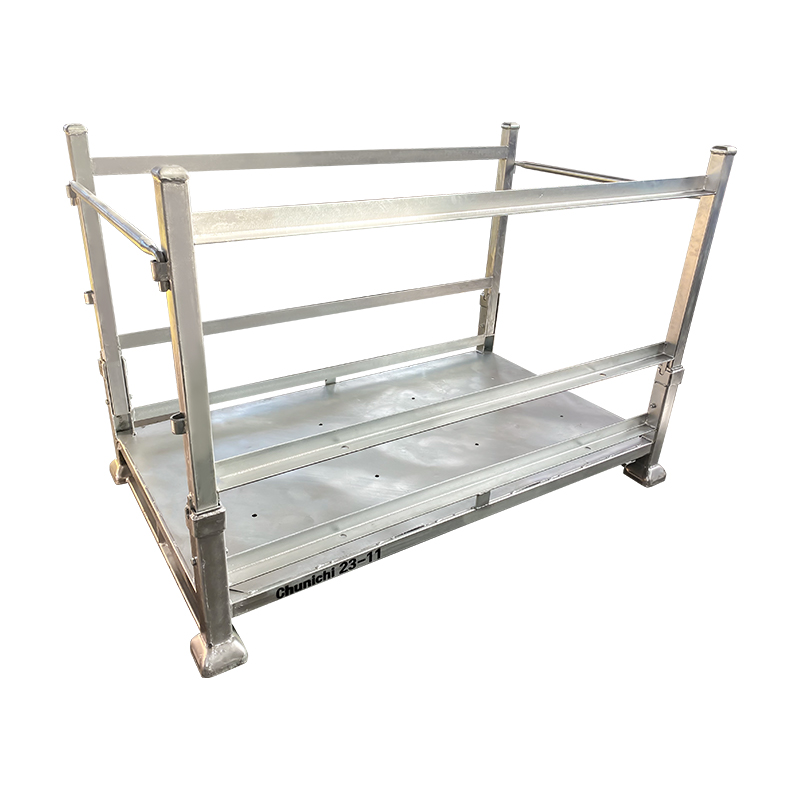
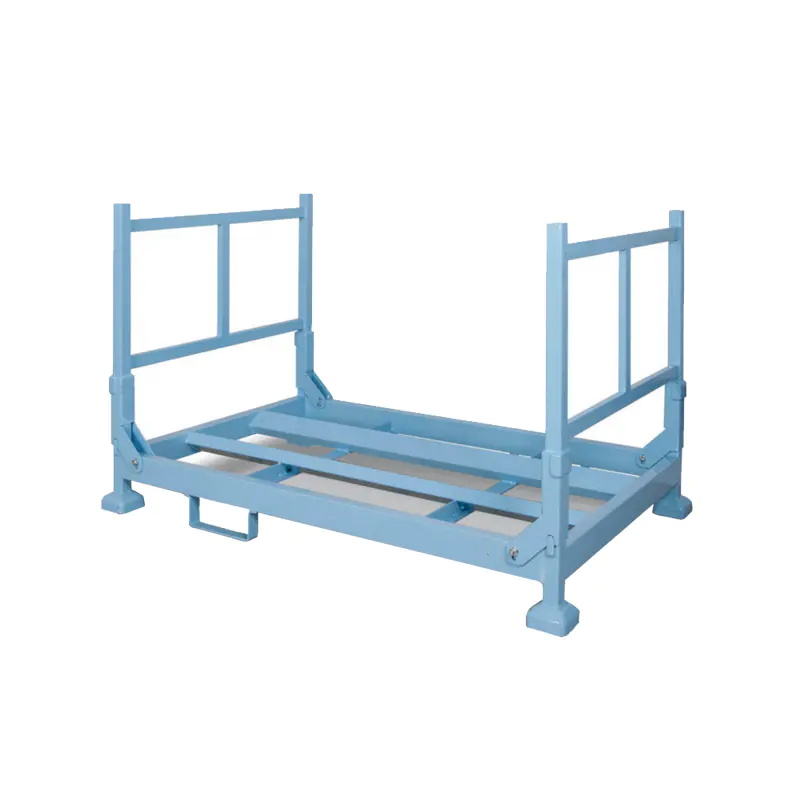
Dynamic ABC reviews matter. Quarterly reclassification based on WMS data prevents slotting drift. A seasonal product that surges in summer might jump from C to A temporarily; if your layout can't accommodate that shift without disrupting the entire floor, you lose margin. Using mobile storage units gives you that flexibility. A foldable steel stillage, for example, can move A items closer to the shipping zone during peak months without permanent rack reconfiguration. Foldable steel stillage units let you compress B and C reserves when demand patterns flip, keeping the prime aisle free for what’s hot right now.
Warehouses with 24-foot clearance store about 40% fewer pallet positions per square foot than facilities with 34-foot clearance, according to multiple design audits. That gap is pure lost opportunity if your racking and container strategy doesn't capitalize on height.
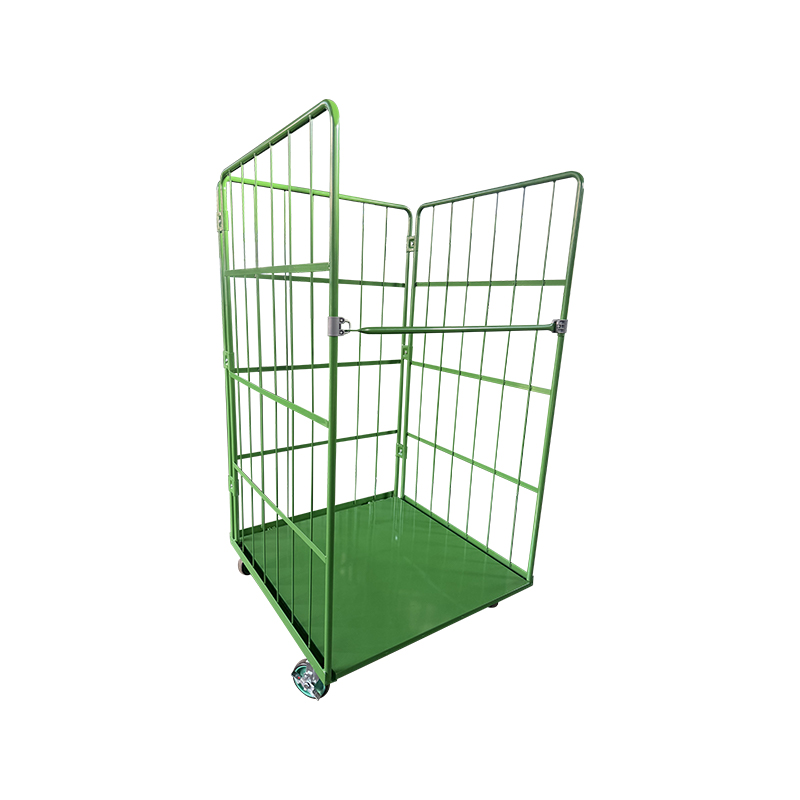
Selective pallet racking is the default for many operations, but it's only part of the story. The real density gains come from containers that are designed to stack, not just racks that hold pallets. Stackable wire mesh containers, modular stillages, and stacking racks let you build upward even in areas where permanent racking isn't practical—overflow zones, seasonal staging lanes, or temporary quarantine areas.
The table below compares typical container types and their impact on vertical utilization.
| Container Type | Typical Stack Height | Load Capacity per Stack | Best Use Case |
|---|---|---|---|
| Standard Selective Rack | Varies, up to 40+ ft | Up to 4,000 lbs per level | Palletized bulk, consistent SKUs |
| Stacking Racks (e.g., tire racks) | 4–5 units high | 2,000–3,000 lbs per rack | Odd-shaped items, temporary surges |
| Wire Mesh Container (stackable) | 3–4 units high | 1,500–2,000 lbs per container | Small parts, loose goods, visibility |
| Foldable Steel Stillage | 4–6 units high | 2,500–4,000 lbs per stillage | Heavy irregular parts, automotive |
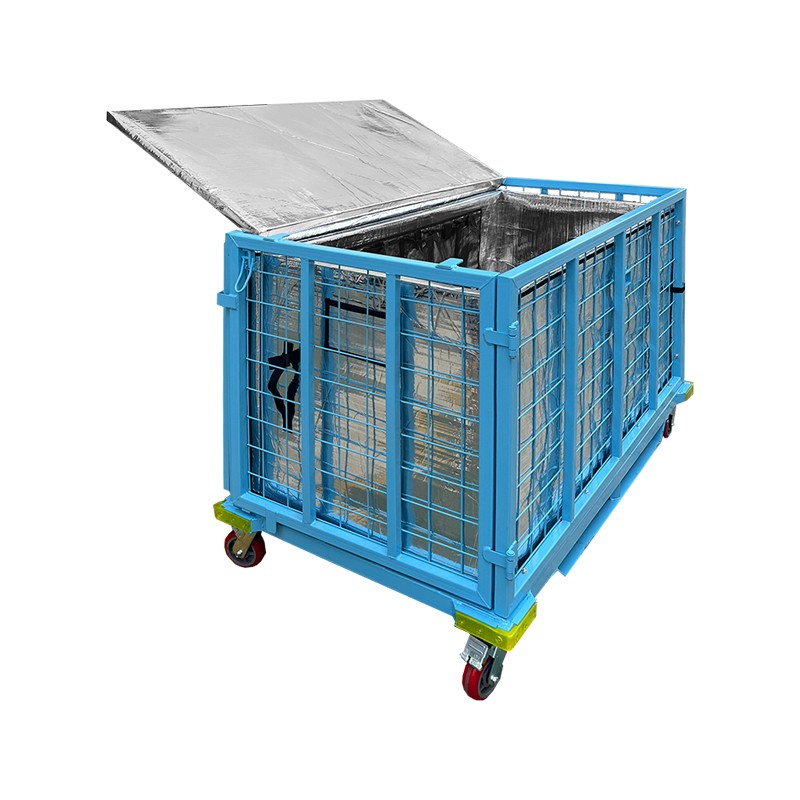
Wire mesh containers deserve special attention for mixed-SKU operations. Their open-grid walls maintain visibility and fire sprinkler penetration while supporting secure stacking. A wire mesh container system can increase cube utilization by 25–30% over floor-level bin storage in the same footprint, because vertical space is finally monetized rather than left empty above head height.
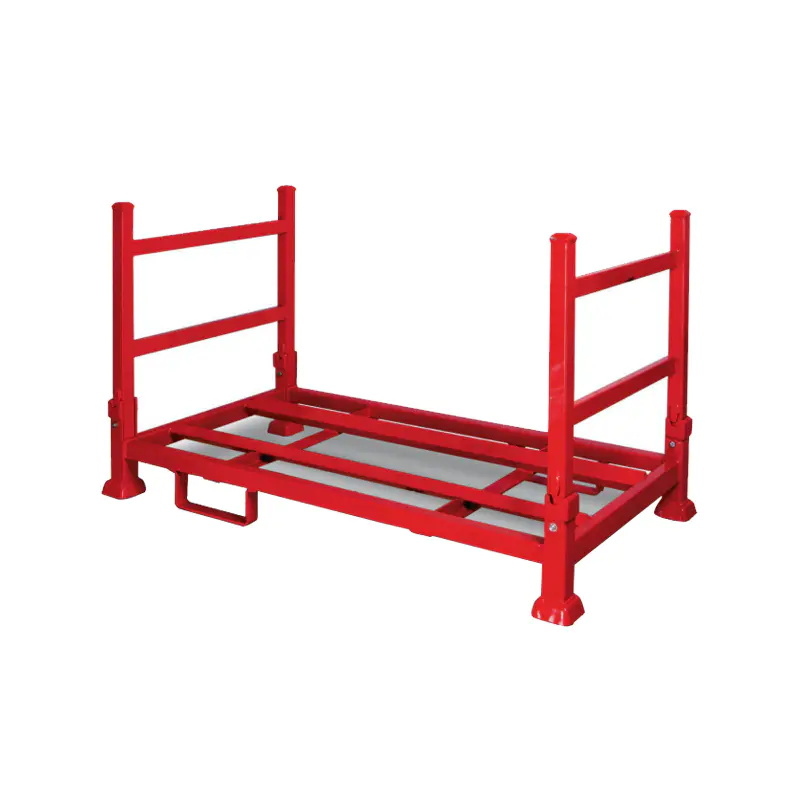
Stacking racks fill another gap. They hold items like tires, bumpers, or long metal profiles that don't fit standard pallet rack dimensions. A dedicated tire storage rack, for instance, turns chaotic floor stacks into orderly, high-density columns that a forklift can service without wasted maneuvering. Tire storage racks built for stacking can double the unit count per bay compared to flat floor storage, a gain that directly defers the need for building expansion.
Cold storage is a different animal. Temperature zones force hard physical boundaries, and every open door leaks money in the form of lost refrigeration. Layout design here must prioritize air curtain integrity, minimal cross-zone travel, and rapid inventory turnover to prevent freezer burn on both product and energy budgets.
A typical cold storage facility maps into three or more distinct thermal zones: ambient receiving (45–60°F), refrigerated storage (32–38°F), and deep-freeze (-10 to -20°F). The layout should position receiving and order assembly in the warmest band, moving product through progressively colder zones only when necessary. This gradient flow prevents frequent temperature swings that degrade product quality and spike compressor load.
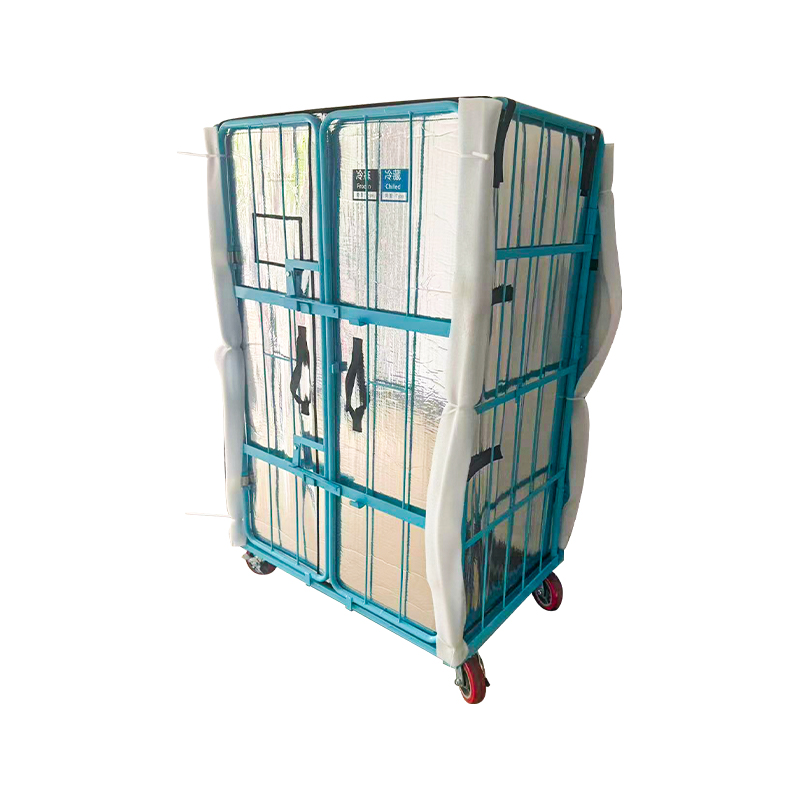
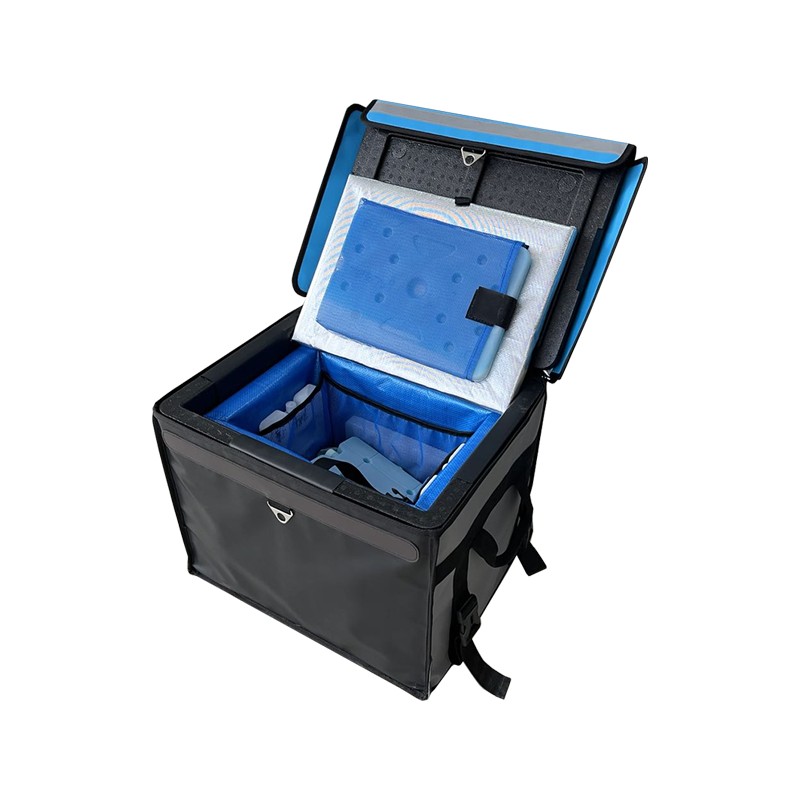
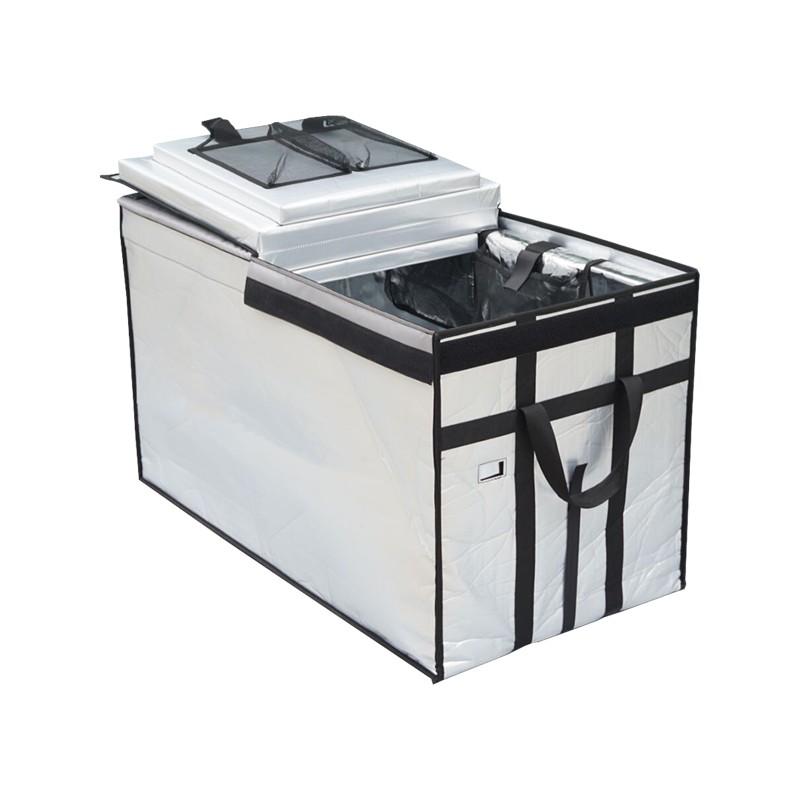
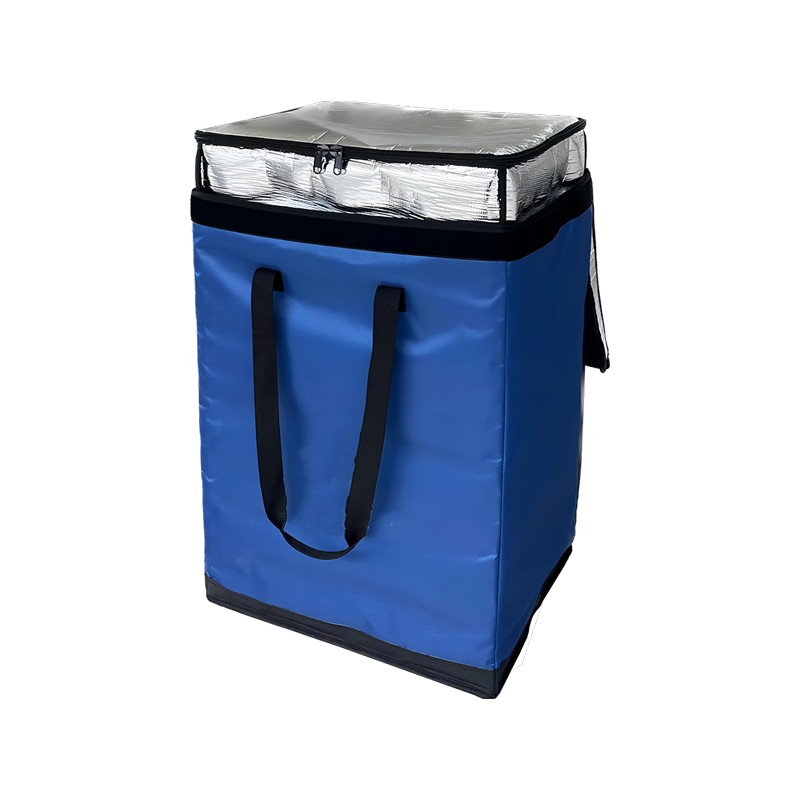
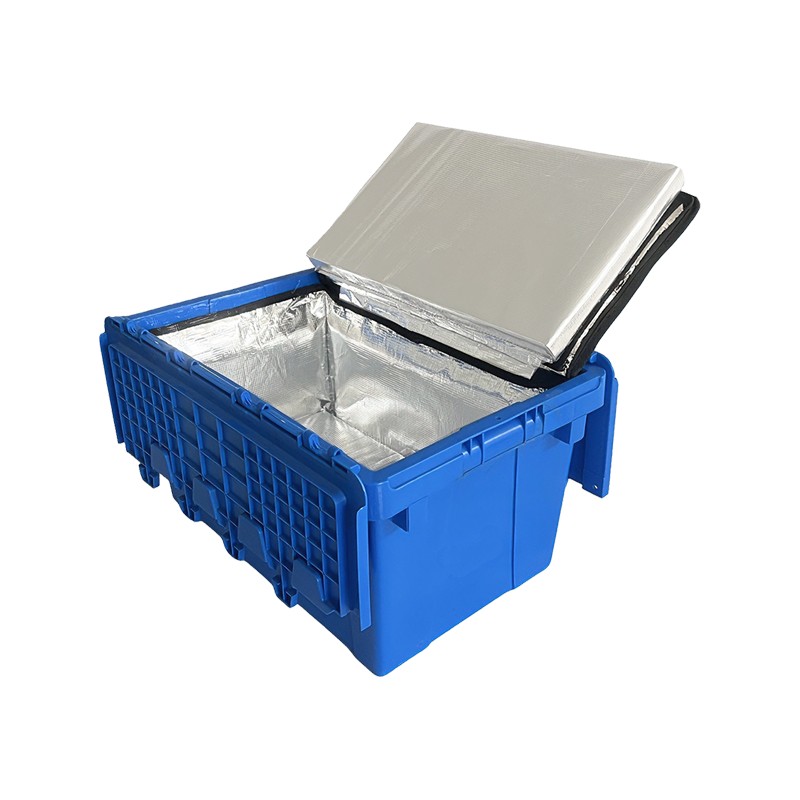
Mobile insulated cabinets change the cold chain layout equation substantially. Instead of building fixed freezer anterooms, a facility can stage frozen goods in portable, wheeled insulated units that hold temperature for 8–12 hours without active power. Staff wheel them from the deep-freeze zone to a staging area, pick orders with the cabinet doors closed between selections, and return the empty unit. The result: cold air stays where it belongs, and the layout eliminates the need for costly, fixed partition walls.
A single integrated cold chain cabinet can reduce compressor runtime by up to 18% in mid-sized facilities by cutting door-open duration. For operations that ship temperature-sensitive pharmaceuticals, food, or biologics, the layout must also include a sanitized pass-through zone between receiving and chilled storage to avoid condensation buildup. Insulated cabinets like the cold chain delivery insulation cabinet serve dual roles here: they act as mobile buffer storage during peak receiving hours and transition into last-mile delivery containers without repacking. That dual-purpose design slashes handling touches and keeps the cold chain unbroken from dock to doorstep.
Safety codes aren't optional suggestions; they're the invisible framework that prevents catastrophic failures. A warehouse organization layout that ignores minimum aisle widths, emergency egress paths, and fire suppression reach is a liability waiting to crystallize.
OSHA and NFPA guidelines set hard numbers. Aisles that forklifts travel must be at least 3 feet wider than the widest load carried, but that's a floor, not a ceiling. In practice, a narrow-aisle reach truck can operate in a 7–8-foot aisle, while a standard counterbalance forklift needs 12 feet or more. Reducing aisle width to reclaim storage space may backfire if it forces operators into multi-point turns that increase collision risk.
Fire code requires at least 4-foot clear egress paths to exits, and exit doors cannot be obstructed by any storage materials—including temporary stacks. In racked areas, flue spaces between back-to-back rows must remain open to allow ceiling sprinkler water to reach the floor; a 6-inch gap is typical but must be maintained rigorously. Layouts that jam racks tightly together to save a few inches of floor space may void insurance coverage.
Forklift turning radii dictate intersection design. A standard 5,000-lb capacity forklift needs a 90-degree aisle intersection of at least 11–12 feet to turn safely. Every intersection under 10 feet forces three-point turns that slow traffic and boost the odds of rack strikes. Mark these zones clearly on the floor and keep them free of pallets. Bumper guards and rack column protectors become critical furniture in your layout, not afterthoughts.
Light levels often get neglected in layout planning but have a direct safety impact. Pick faces and pedestrian walkways should maintain a minimum of 20 foot-candles; high-velocity sorting areas should reach 50. Integrating motion-sensor LED lighting into the layout reduces energy costs while ensuring that a dim corner never hides a trip hazard.
Every layout project needs a before-and-after scorecard. Without baseline metrics, you're navigating by gut feel—and gut feel doesn't justify capital expenditure to a CFO. The metrics that matter cluster into three buckets: labor efficiency, space yield, and service-speed uplift.
Labor efficiency is measured in picks per hour or order lines processed per shift. A well-executed reorganization often lifts this metric by 15–25% within the first month, but only if the new slotting and flow logic remove non-value movement. Track travel distance per pick by sampling routes with a stopwatch or WMS path data. A drop from an average of 250 feet per pick to 180 feet means 28% less walking, directly converting to labor hours saved.
Space yield looks at storage density per square foot. Calculate the number of pallet positions, bins, or totes before and after. Even a modest improvement of 5,000 additional pallet spots in a 100,000-square-foot facility can delay a building expansion by 2–3 years, saving millions in lease or construction costs. Include the cost of temporary off-site storage that the redesign eliminates.
The table below shows a real-world example based on a manufacturing parts warehouse that shifted from fixed racking to a mixed system of stackable stillages and flow racks.
| Metric | Before Redesign | After Redesign | Change |
|---|---|---|---|
| Picks per hour | 28 | 37 | +32% |
| Average travel per pick (feet) | 240 | 170 | -29% |
| Pallet positions per 1,000 sq ft | 18 | 26 | +44% |
| Monthly off-site storage cost | $4,200 | $0 | -100% |
| Dock-to-stock time (minutes) | 45 | 32 | -29% |
An ROI calculation that combines labor savings, space deferral, and reduced outsourcing routinely shows payback in 6–12 months. The key is measuring the right leading indicators, not just the lagging P&L line. When picks per hour climb and travel feet drop, the financial return follows with a lag of 60–90 days as overtime hours shrink and temporary labor contracts wind down.
A tier-one automotive supplier in the Midwest faced a familiar crunch: engine blocks, stamped door frames, and bumper assemblies consumed floor space at an accelerating rate while production schedules demanded faster line-side delivery. Their existing layout used static pallet racking that forced forklifts into long loops and left vertical space unused above 12 feet.
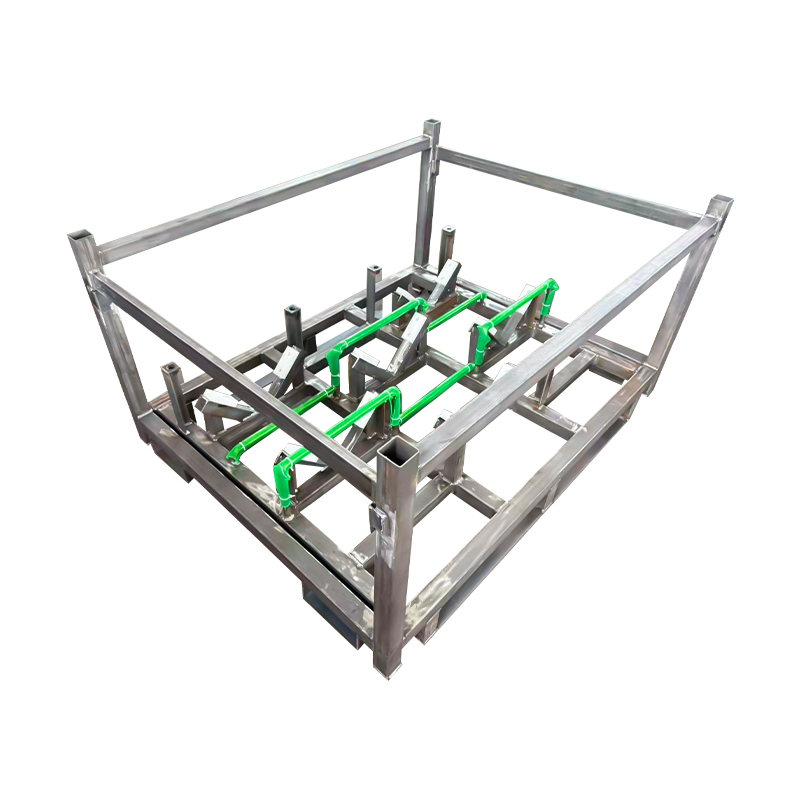
The redesign started by mapping material flow against takt time. They shifted to a straight-line flow pattern with dedicated staging lanes for sequencing. Custom containers replaced uniform pallets. Engines previously stored on wooden pallets at floor level moved into heavy-duty storage racks for automotive engines that could stack five units high, tripling density in the same footprint. Stamped metal door frames, which had been leaning against walls in loose stacks, moved into metal stillages for automotive stamping parts designed with cradles that prevented scratching and allowed safe four-high stacking.
The container switch didn't just save space; it cut handling. Previously, a door frame assembly was touched five times between stamping and the assembly line. With custom stillages that travel directly from stamping to line-side presentation, touches dropped to two. Picker travel fell 34% because the new layout positioned sequenced stillages within a 40-foot arc of the point of use. The facility avoided a planned 15,000-square-foot expansion, which alone saved an estimated $180,000 annually in lease and utility costs. Warehouse storage implements for automotive parts that match the physical geometry of the product rather than forcing everything onto a standard pallet were the lynchpin of the entire redesign. The lesson: layout and container selection are not separate decisions; they are two sides of the same throughput coin.
Copyright © 2024 Shanghai Betis Logistics Equipment Co., Ltd. All Rights Reserved.
 Custom Metal Storage Cages Manufacturers

 English
 中文简体
中文简体 日本語
日本語