Content
Retail and e-commerce operations rarely grow in a straight line. A flash promotion triples order volume for ten days, a new delivery cluster adds three routes, and peak season seems to arrive a little earlier every year. Storage that feels generous at 5,000 orders a month can quietly become a bottleneck at 15,000, not because the building is too small, but because the containers, trolleys and racks inside it cannot flex with demand.
Scalable storage solutions for retail and e-commerce businesses are built on a simple idea: treat every product movement as a repeatable unit. Standardised metal containers, mobile trolleys and stackable racks let a warehouse add capacity in small increments, shift equipment between sites, and shrink its footprint when volumes dip. The result is a picking and replenishment operation that can absorb growth without a full refit every eighteen months.
Before comparing equipment, it helps to agree on what scalability actually means in a retail or e-commerce environment. It is rarely about buying the largest possible container. It is about how easily the system can be expanded, contracted and rearranged.
A system that satisfies these five points can be scaled by simply ordering more of the same unit, rather than redesigning the process each time volume rises.
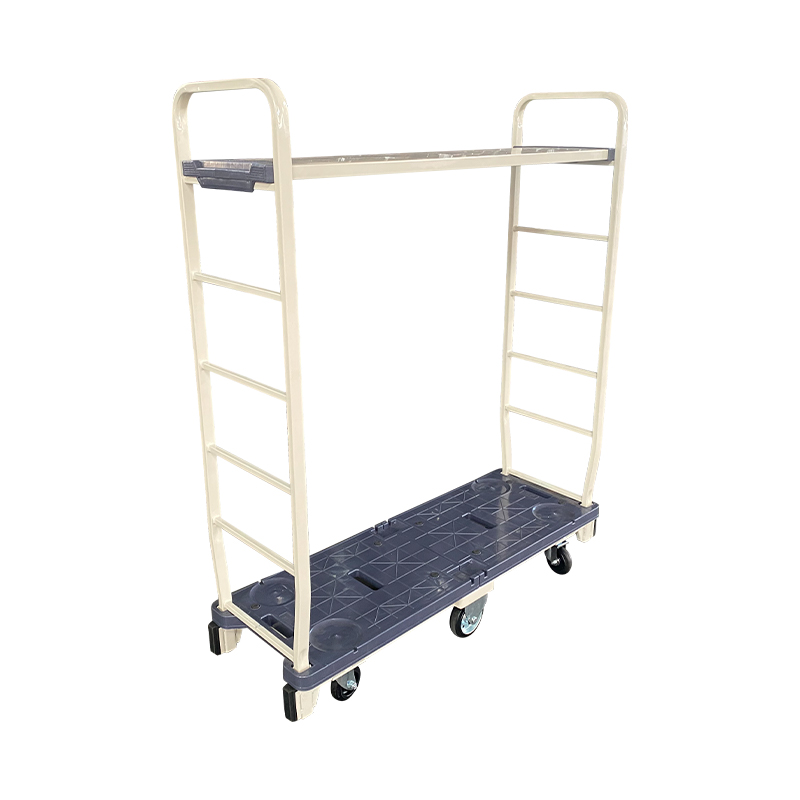
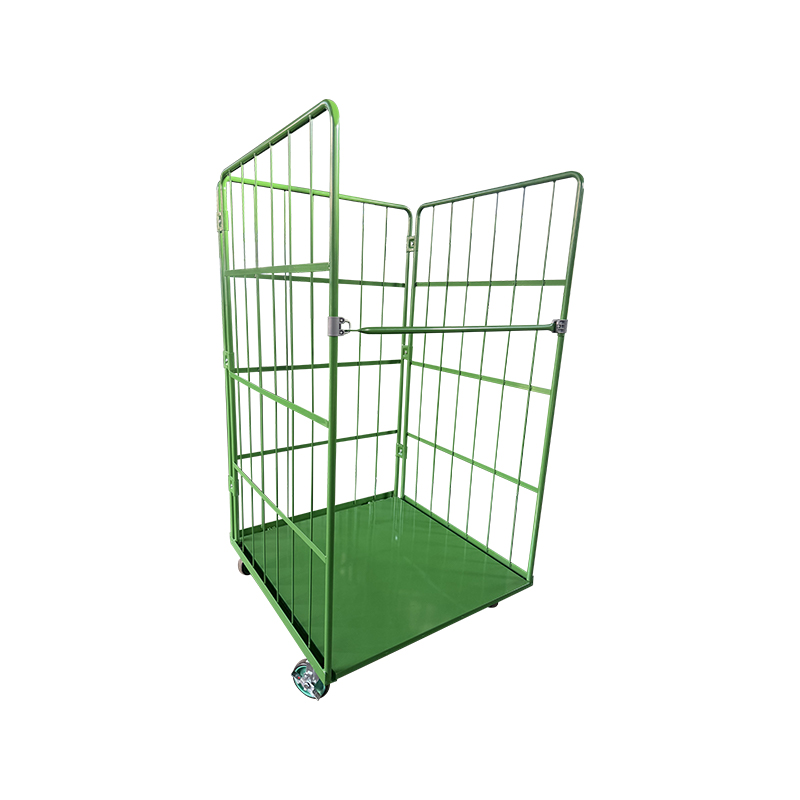
The roll cage trolley is the workhorse of retail logistics. A six-wheel stocking cart is designed for tight aisles and frequent shelf replenishment, while standard and euro-style mesh cage trolleys handle bulk movement between a distribution centre and store backrooms. L-shaped and mesh-wall versions suit loads that need side retention, and models fitted with a plastic pallet base allow goods to be transferred directly onto pallet-handling equipment.
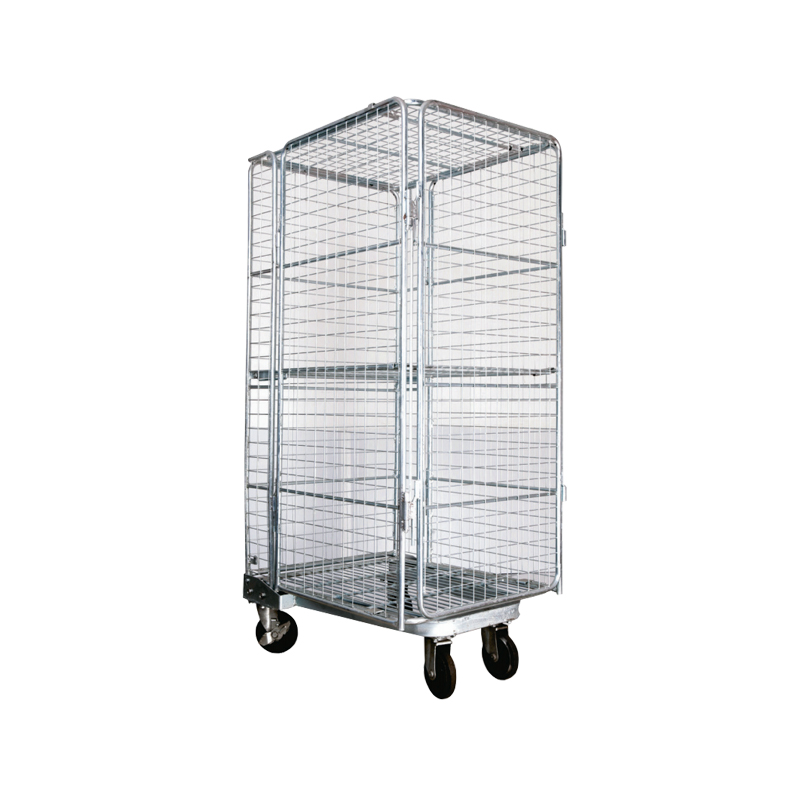 Euro-style Mesh Roll Cage TrolleyWidely used in supermarkets, tobacco, and other industries for storage, transport, and distribution. Europe has a style structure, that meets different use requirement...View Product →
For e-commerce fulfilment, the value of a cage trolley lies in consolidation. Instead of carrying single parcels across a large floor plate, pickers build a complete batch in one cage, then move it to packing or dispatch in a single trip. Because the units are dimensionally consistent, a fleet can expand during peak weeks and be reallocated afterwards without disrupting the layout of the warehouse.
Where heavier or bulkier goods are involved, foldable steel stillages and wire mesh containers provide the strength that cages cannot. Collapsible stillages in mesh or solid-sided versions hold components, packaged goods and returned stock securely, then fold flat for storage or return journeys. Steel wire mesh containers offer visibility of contents, which speeds up identification during receiving and stock checks.
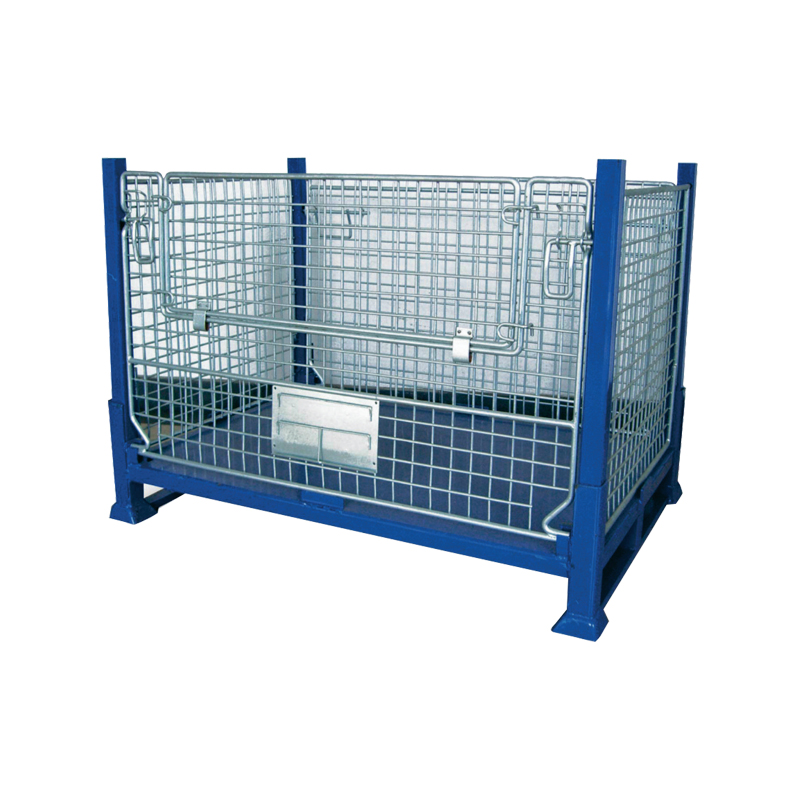 Euro Foldable Steel StillageDescribe The Euro Foldable Steel Stillage is equipped with a display panel to increase its functionality, providing a designated area for labeling or displaying conten...View Product →
This category scales particularly well for omni-channel retailers, because the same container can be used for inbound supplier deliveries, internal transfers and outbound store replenishment. A warehouse that starts with twenty units can add another ten whenever a new store or sales channel goes live.
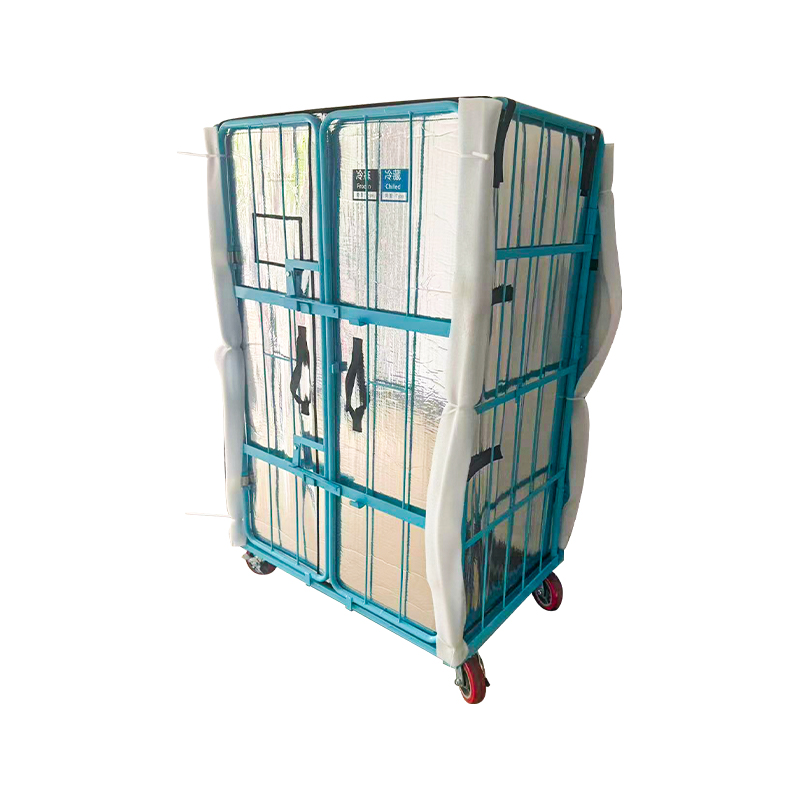
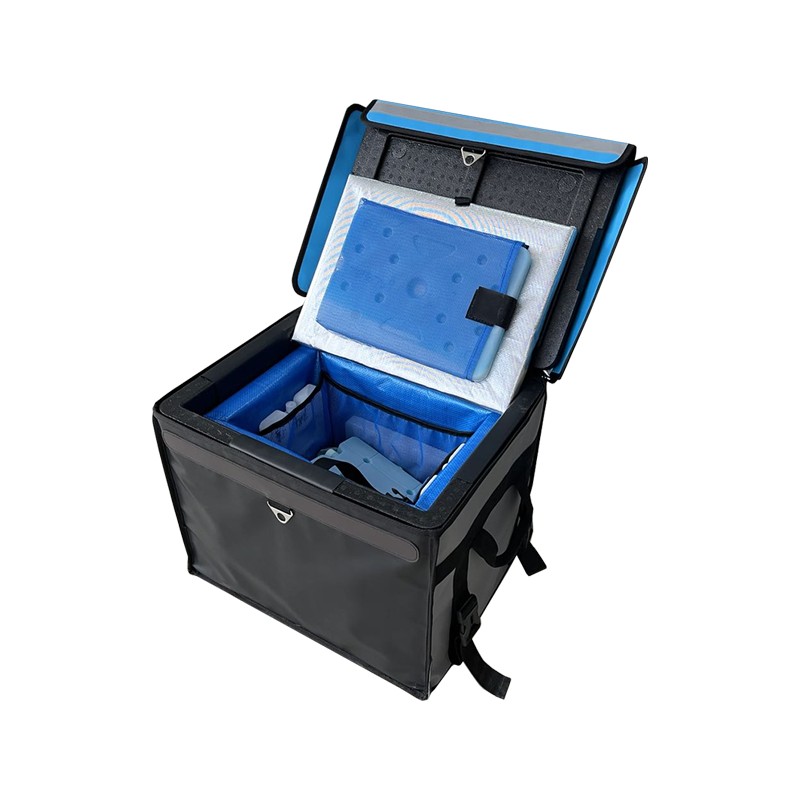
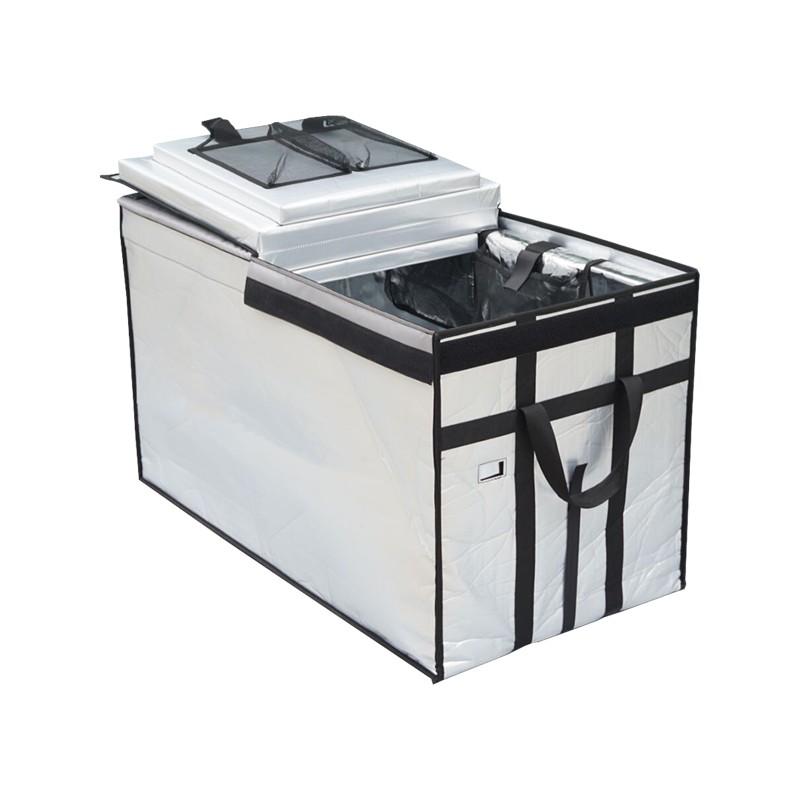
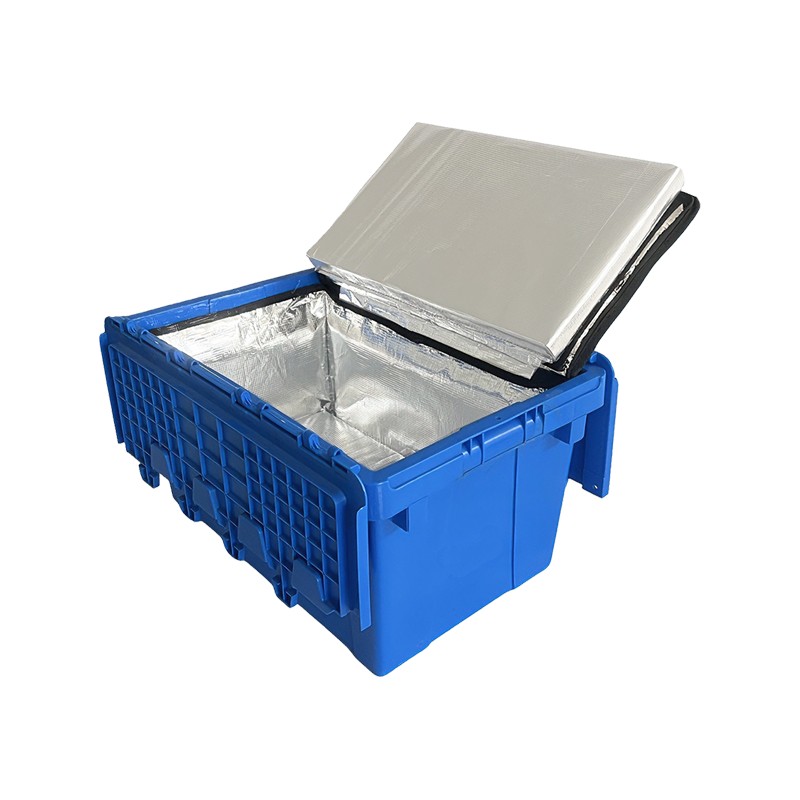
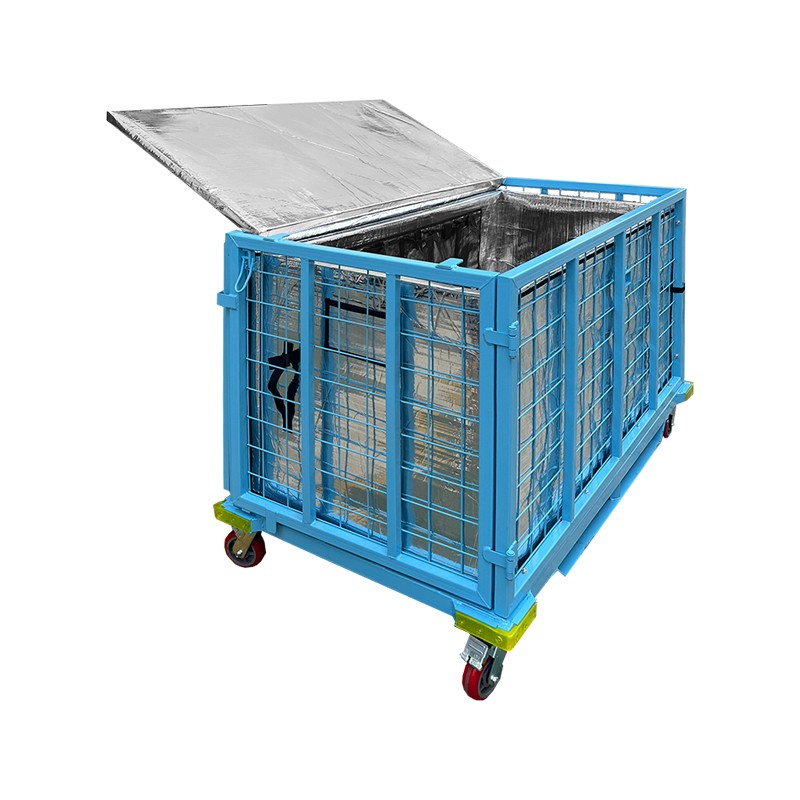
Grocery e-commerce and convenience retail have made temperature control a mainstream requirement rather than a specialist concern. Solutions range from trolley and cage insulation covers used during in-store replenishment, through electric tricycle cabinets for urban last-mile drops, to heavy-duty long-haul boxes for inter-city transfers and deep-freeze units for frozen desserts.
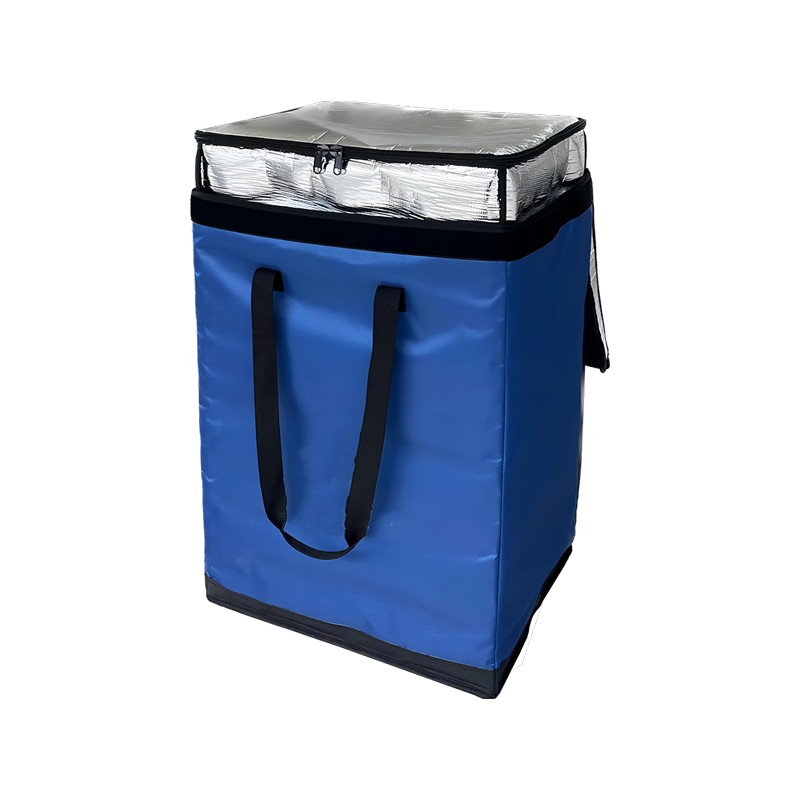 Double-Layer Insulated Delivery BagDouble Layer Insulation Delivery BagView Product →
The scalable principle here is compatibility. Insulation liners that fit an existing folding crate, and bags that match the dimensions of a standard delivery tote, allow a business to add chilled capacity without buying a separate transport fleet. As order volumes rise, capacity grows by adding liners and boxes rather than vehicles.
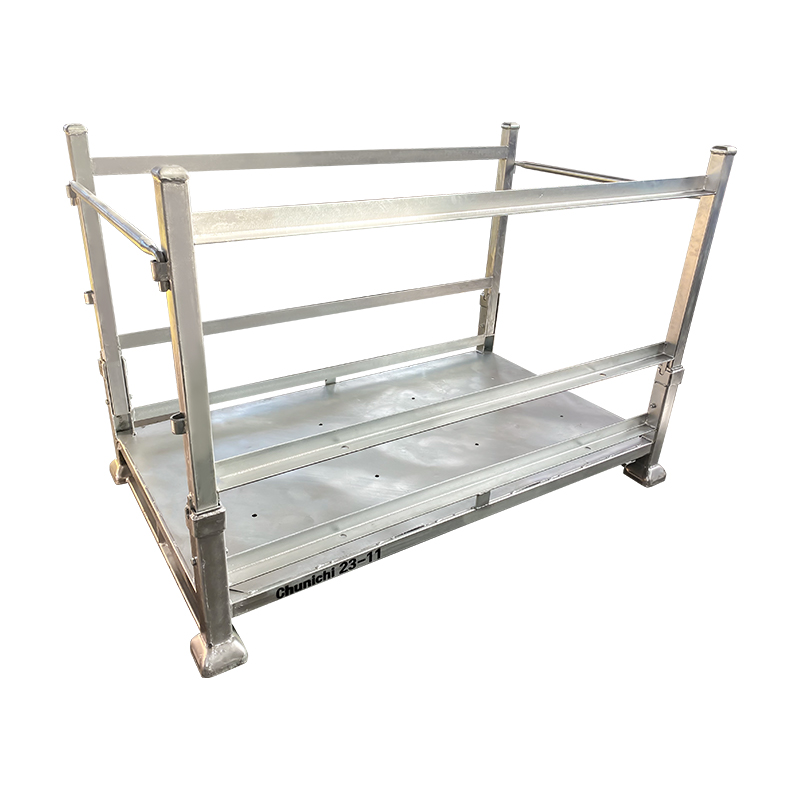
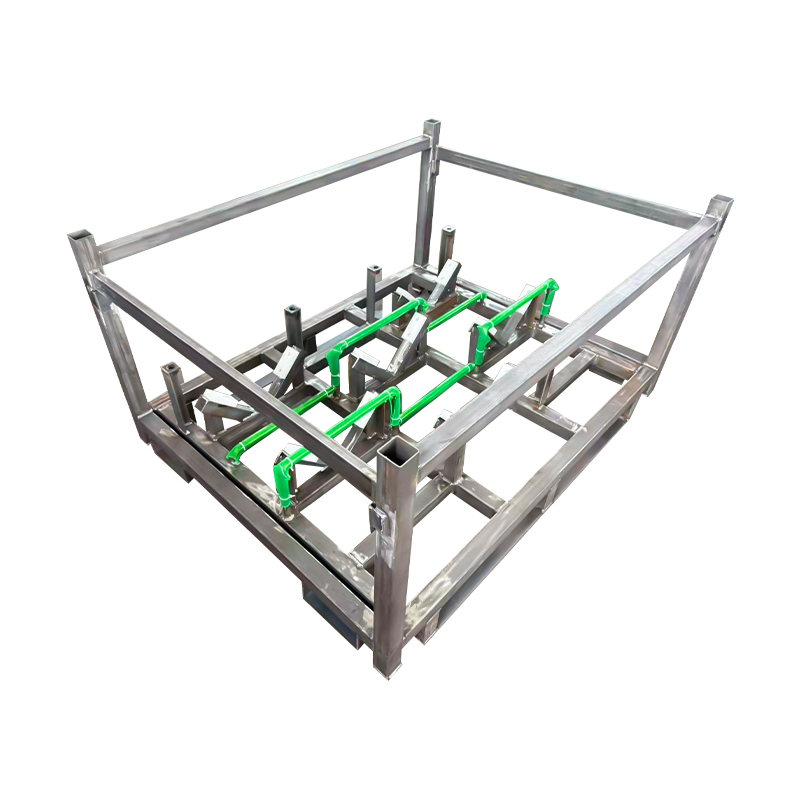
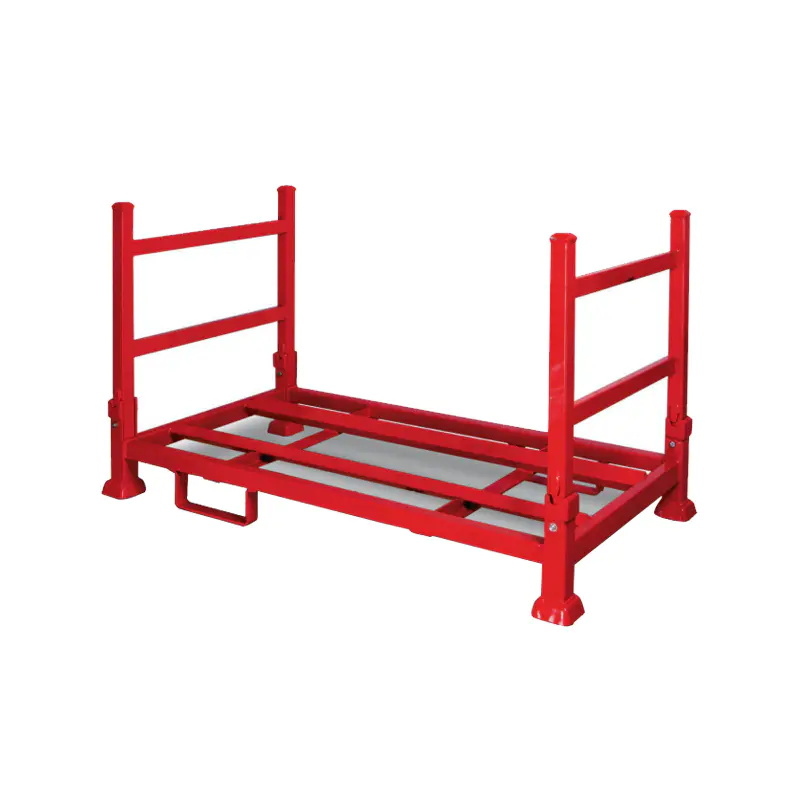
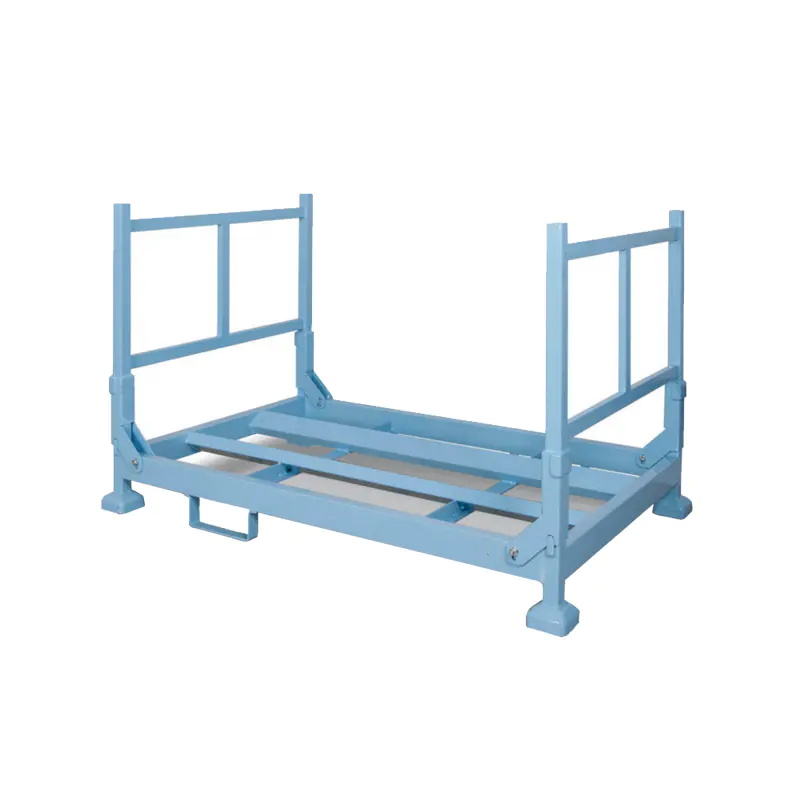
Vertical growth is often cheaper than horizontal expansion. Hot-dip galvanised foldable stacking racks and inverted stacking racks allow loaded units to be stacked several tiers high, at lower capital cost than fixed pallet racking. For manual movement of smaller loads, plastic pallet dollies give a stable, low-profile base that operators can pull or push without powered equipment. Tyre racks and automotive-style stillages follow the same logic for businesses serving garages and parts distributors alongside their retail lines.
The table below summarises how the most common unitised container types compare across the criteria retail and e-commerce teams usually weigh up.
| Equipment type | Typical use | Behaviour when empty | Handling method |
|---|---|---|---|
| Euro-style mesh roll cage trolley | Store replenishment, batch picking | Fixed frame, nests partially | Manual, no forklift |
| Foldable steel stillage | Heavy goods, supplier returns | Folds flat | Pallet truck or forklift |
| Wire mesh container | Visible storage, receiving | Folds or stacks | Pallet truck or forklift |
| Stacking rack | Vertical storage of loaded units | Folds or stacks | Forklift, tiered stacking |
| Insulation box or liner | Chilled and frozen deliveries | Collapses or nests | Fits existing totes and trolleys |
| Plastic pallet dolly | Manual movement of small loads | Stacks compactly | Manual push or pull |
Equipment choices matter, but the sequence of decisions matters just as much. A staged approach keeps early investment proportionate to early volume.
This method keeps capital expenditure tied to demonstrated volume and makes it far easier to justify further investment.
Because storage equipment is durable, it tends to outlive several generations of warehouse layout. That makes the supplier relationship a long-term decision. It is worth checking whether a manufacturer can produce custom dimensions, since aisle widths, van heights and shelf pitches vary considerably between sites. A partner that designs and produces its own steel containers, rather than reselling imported stock, can usually adjust load ratings, coatings and internal fittings to match a specific operation.
Operational experience counts as well. Suppliers who have worked across grocery, automotive, tyre and general manufacturing flows tend to anticipate problems such as corrosion in chillers, load shifting during transport and the wear that hinges and locking systems suffer under heavy daily use. If you are still narrowing down the options, our guide on choosing the right roll cage trolley walks through the practical selection criteria in more detail.
Shanghai Betis Logistics Equipment has focused on metal unitised logistics containers since 2014, with an annual output of more than 100,000 units and a product range that covers cold chain insulation, roll cage trolleys, foldable steel stillages, stacking racks, wire mesh containers and industry-specific器具 for automotive and tyre handling. Customised development is part of the standard workflow, which means a container can be adapted to an existing conveyor, truck or racking system instead of forcing the operation to adapt to the container. To see how these categories fit together, you can review our metal logistics container range alongside the industry applications described above.
Scalable storage for retail and e-commerce is less about finding one perfect product and more about building a consistent system of interchangeable units. Start with the flows that cause the most handling, standardise the containers used on those flows, and add capacity in modest increments as volume grows. Done well, the storage system stops being a constraint on growth and becomes one of the quieter reasons a fulfilment operation keeps running smoothly through every peak.

Copyright © 2024 Shanghai Betis Logistics Equipment Co., Ltd. All Rights Reserved.
 Custom Metal Storage Cages Manufacturers

 English
 中文简体
中文简体 日本語
日本語