Content
Metal kitting and assembly are two halves of the same promise: the right parts, in the right place, at the right time. One team gathers everything a build needs and delivers it as a single verified package. Another team welds, bolts, or presses those parts into a finished unit. When both halves work together, production flows. When they drift apart, operators spend the shift hunting for fasteners instead of building product. After more than a decade of manufacturing steel containers for kitting and assembly lines, we have learned that the process and the hardware cannot really be separated.
Kitting is the discipline of collecting every component a build requires and presenting it as one verified package. On a metal production floor, a single kit might contain:
Instead of an operator walking to nine different bins, the kit arrives with everything already inside. Assembly then takes over: the contents of that package are welded, bolted, riveted, or pressed into a sub-assembly or a finished product.
The distinction matters because kitting is essentially a logistics activity while assembly is a transformation activity. Kitting decides how fast, how accurately, and how safely the transformation can happen. Get the kit wrong and the station stalls; get it right and the station becomes a repeatable, measurable operation.
The benefits are practical rather than theoretical, and most of them appear within the first weeks of a pilot:
These three words are often used interchangeably, but they describe different actions on the shop floor.
| Term | What it does | Typical output | Where it fits |
|---|---|---|---|
| Kitting | Gathers all parts for one build into a single package | A complete, verified kit | Upstream of the assembly station |
| Bundling | Groups identical or related items, usually by part number | A batch of the same part | Storage, transport, and picking |
| Sub-assembly | Joins several components into a smaller working unit | A module ready for the main line | Feeding final assembly |
| Final assembly | Combines kits and sub-assemblies into the finished product | A shippable product | End of the production flow |
Kits are prepared ahead of the production schedule and staged near the line. This suits operations with relatively stable demand and enough floor space for controlled staging. The advantage is a steady, predictable flow; the risk is that a schedule change leaves prepared kits sitting on the floor.
Here, kits are built shortly before they are consumed, often in sequence with the build order. JIT kitting reduces staging space and the value of inventory tied up on the floor, but it demands accurate demand signals and a reliable container flow. Many plants run a hybrid: JIT for high-runners, pre-assembly kitting for slower and more complex builds.
It is easy to treat the container as an afterthought, yet the container is what makes a kit a kit. It defines how many parts travel together, how they are protected, whether the kit can be stacked, and how quickly the empty container can be returned and reused.
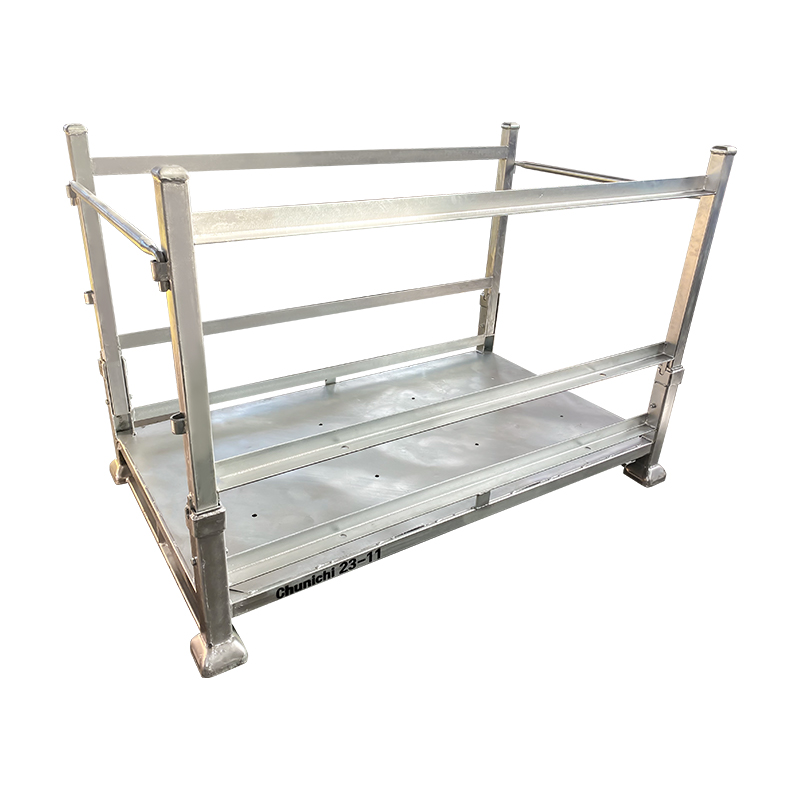
For most metal parts, a foldable steel stillage is the workhorse. It carries weight, protects edges, and folds down when empty so return transport does not pay for air. Our own 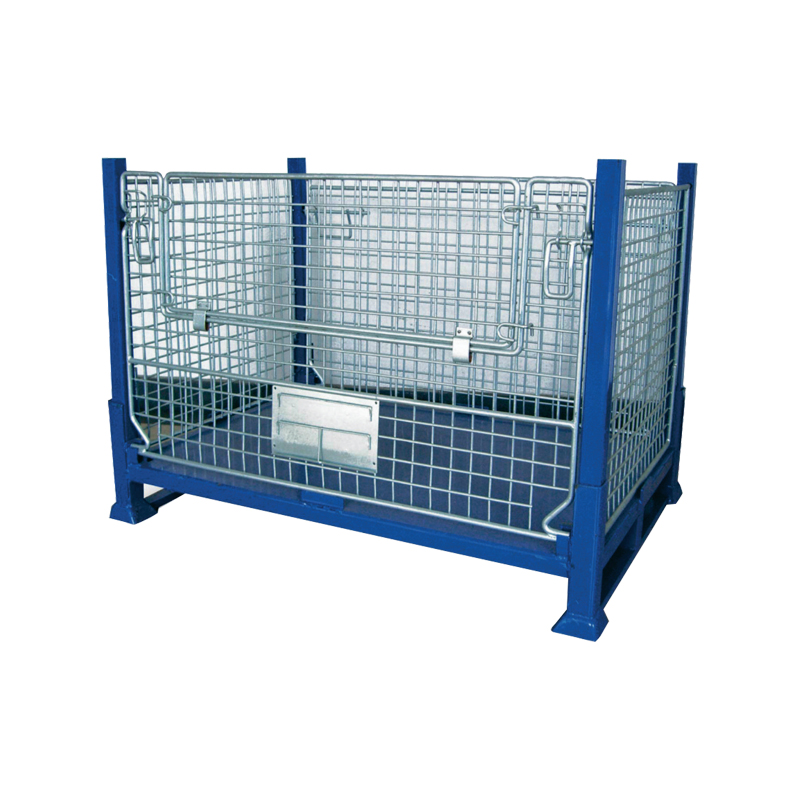 Euro Foldable Steel Stillage for Stackable Metal Parts StorageA durable, stackable steel carrier that folds flat when empty, with powder-coated finish, secure door latch, and display panel for labeling or content identification.View Product → is the model we suggest first when a customer needs a durable, stackable carrier that goes several units high and collapses flat for the trip back.
When a kit needs airflow, visibility, and quick visual verification of contents, wire mesh is usually the better answer. Open mesh lets an inspector confirm at a glance that every slot is filled, and it keeps parts from trapping moisture during storage. The 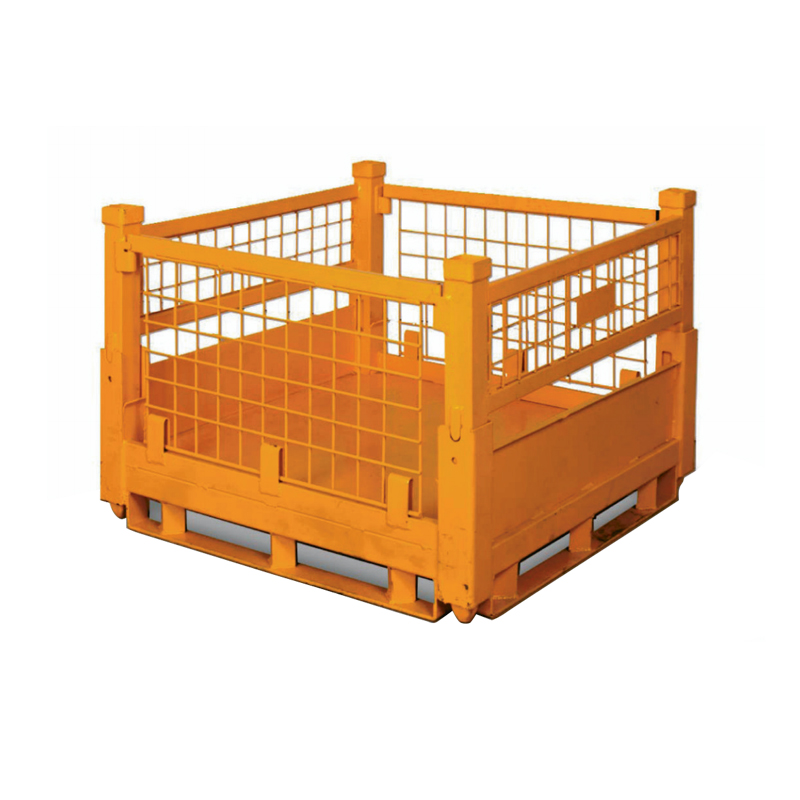 Folding Metal Wire Mesh Container for Visible Parts StorageA stackable wire mesh container with post protectors, tapered feet, and door jams, offering airflow and quick visual checks while folding down for space-saving returns.View Product → covers that requirement while still folding down to save space on return.
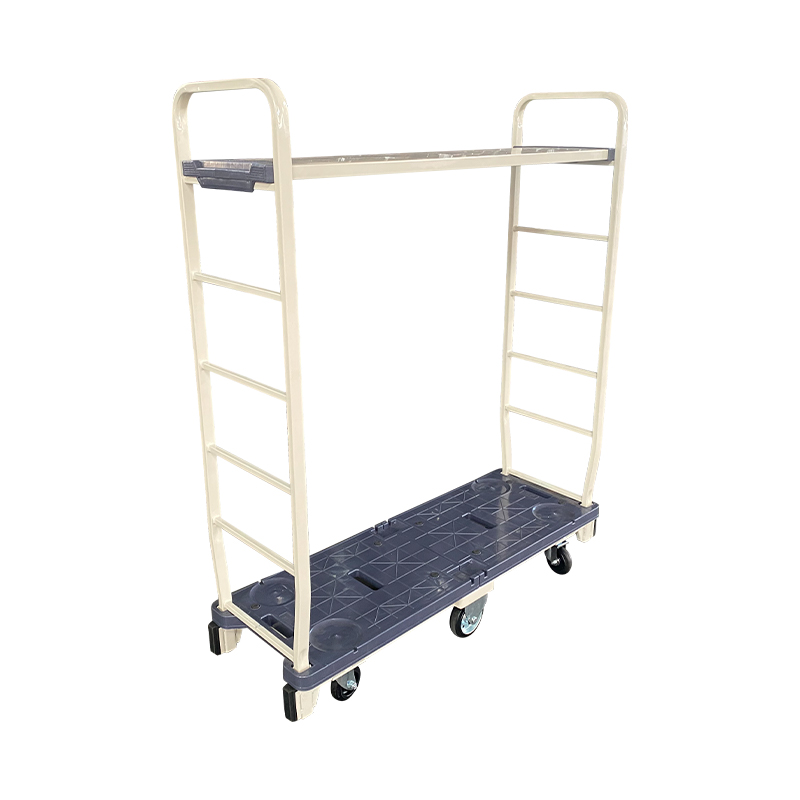
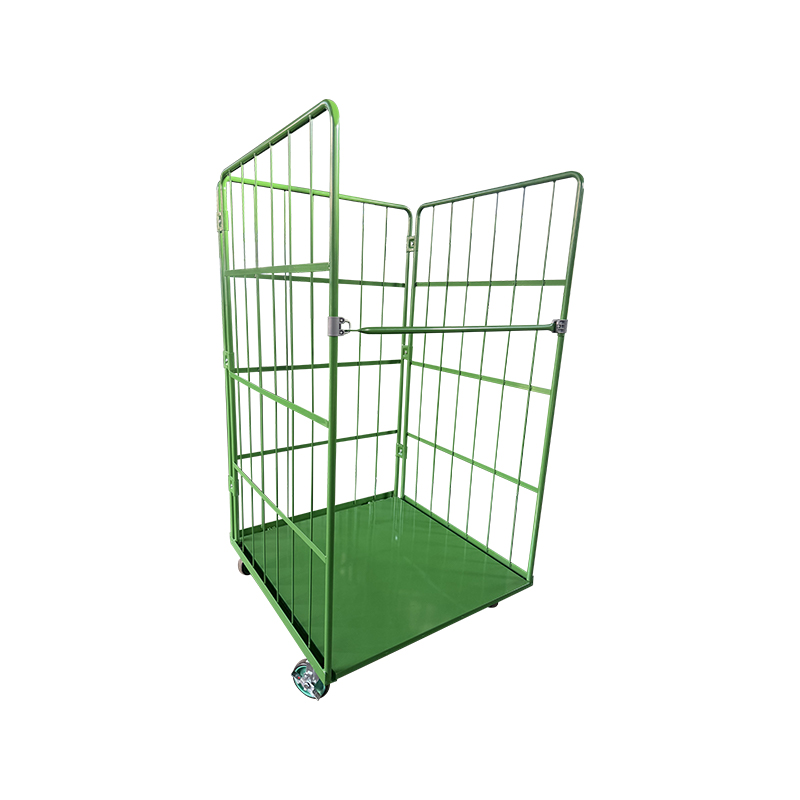
Many kits also need to be moved by hand between the kitting area and the line. That is where roll cage trolleys, platform trucks, and pallet dollies complete the picture: parts are kitted into a container, and the container is moved without re-handling a single component.
Different kitting tasks call for different containers. The table below maps common container types to the jobs they handle best.
| Container type | Best-fit task | Why it works |
|---|---|---|
| Foldable steel stillage | Heavy metal kits staged beside the line | High load rating, stackable, folds flat when empty |
| Wire mesh container | Mixed small and medium parts needing visibility | Open mesh, stackable, easy content checks |
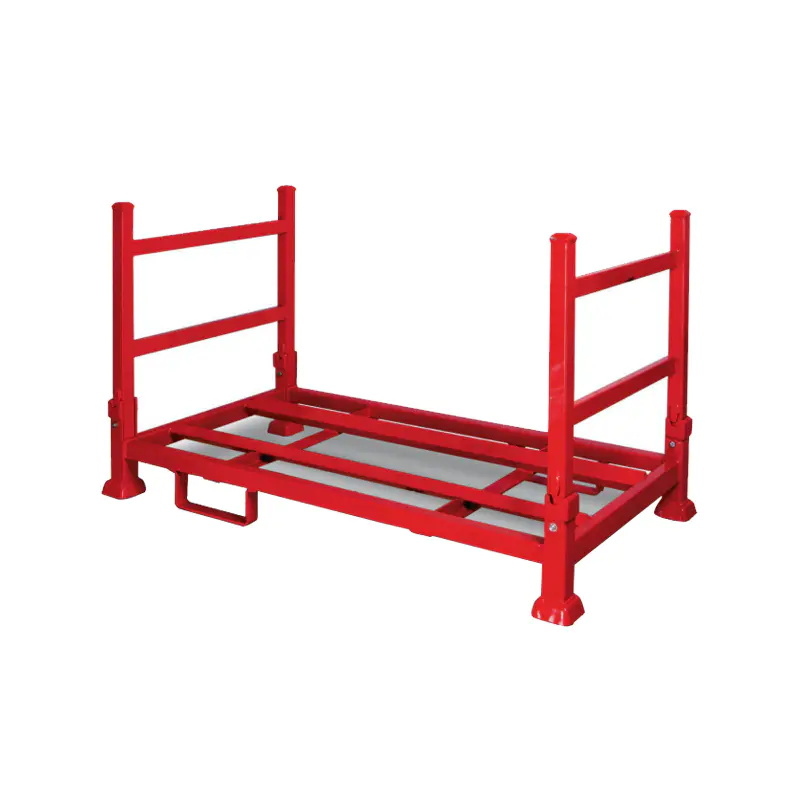
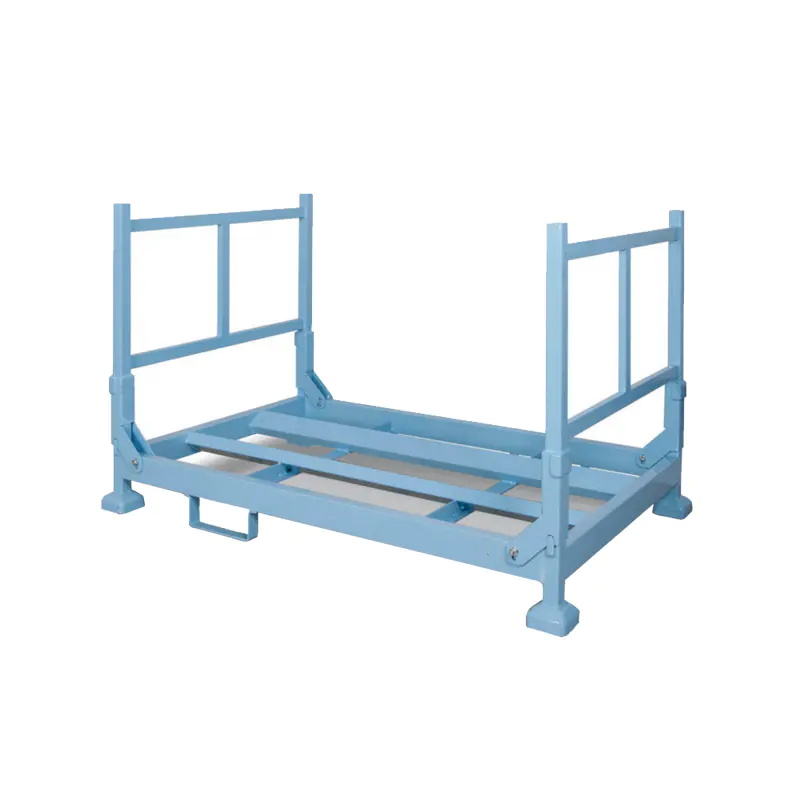
| Stacking rack | Long or irregular parts that cannot be loose-loaded | Layered storage without crushing lower items |
| Roll cage trolley | Moving kits from stores to the assembly station | Mobile, maneuverable, doubles as a picking unit |
| Engine storage rack | Powertrain and drivetrain sub-assemblies | Purpose-built cradles protect critical surfaces |
Automotive plants are the clearest example. Engines, door frames, bumpers, and stamped panels each need a dedicated carrier, because a generic bin damages surfaces and makes line-side presentation awkward. A purpose-built rack holds the part in a fixed position, so a kitted delivery can move straight into the assembly sequence.
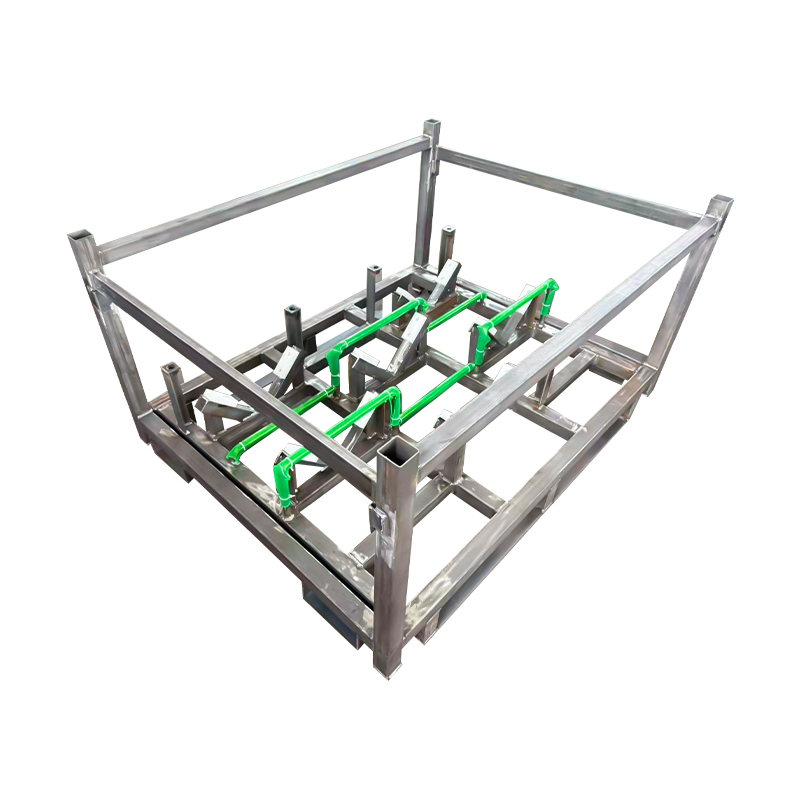
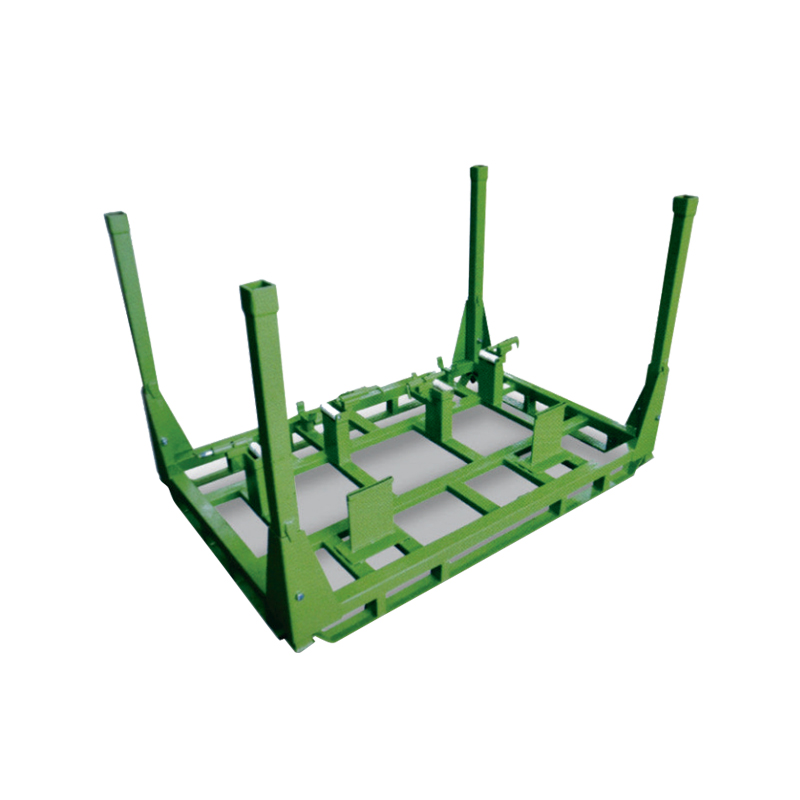 Purpose-Built Storage Handling Rack for Automotive EnginesA dedicated rack that holds engines or similar automotive parts in a fixed position for kitted line-side delivery and protected handling during storage and assembly.View Product →
Kitting and assembly improve when process design and container design are developed side by side. The kit specification tells you what must travel together; the container determines how it travels, how it is protected, and how quickly it can come back for the next round.
Since 2014, we have manufactured metal unitized containers for customers in automotive, cold chain, retail, tyre, and general manufacturing. Annual output exceeds 100,000 units, and custom development is part of everyday work rather than an exception, so a kitting project that needs a non-standard footprint or a special cradle is a normal conversation for us.
If you are mapping out your own kitting flow, you can browse our metal logistics container range to compare stillages, mesh containers, racks, and trolleys. For a closer look at how these carriers perform in a demanding production environment, read our notes on automotive material handling with steel stillages and wire containers.
Copyright © 2024 Shanghai Betis Logistics Equipment Co., Ltd. All Rights Reserved.
 Custom Metal Storage Cages Manufacturers

 English
 中文简体
中文简体 日本語
日本語