Content
Food moves quickly, and every touch between the ingredient and the finished pack carries risk. Material handling in the food industry covers the movement, storage, protection and control of materials from the moment raw goods arrive at the gate until finished products leave for the customer. Done well, it protects quality, keeps schedules realistic and holds costs steady. Done badly, it shows up as damaged goods, temperature excursions, hygiene findings and exhausted teams.
Shanghai Betis Logistics Equipment has been designing and manufacturing metal unitised containers and internal logistics equipment since 2014. The notes below come from that work: what food handling really involves, where the risk sits, and which equipment choices survive daily use in a plant or a distribution centre.
Material handling is usually defined as the movement, storage, protection and control of materials and products along the supply chain. In food production, three characteristics make the discipline different from general warehousing:
Handling itself can be manual, mechanical or a combination of both. Manual handling still dominates at picking, trimming and packing stations where flexibility matters. Mechanical handling takes over wherever loads are heavy, repetitive or need to travel: pallet trucks, conveyors, roll cage trolleys, forklifts, and the unitised containers that carry product between all of them. The practical goal in most plants is to reduce the number of times a product is touched by hand without losing the flexibility of a manual station.
Containers, trolleys and racks come into direct or indirect contact with food, packaging and staff. A design that traps crumbs, water or product residue becomes a bacterial harbour point, and cleaning it costs labour every single shift. Smooth, open and drainable structures make sanitation faster and more reliable, which is exactly what an audit looks for.
Product that waits on a dock or in a corridor is product losing quality. Well-planned handling shortens the distance between process steps, keeps chilled goods inside their temperature window and reduces dwell time between production and dispatch. Faster and shorter flows translate directly into longer usable shelf life.
Damage from poor stacking, overloading or unsuitable containers is a hidden line item. Food businesses also pay for wasted floor space, for return transport of empty equipment and for replacing gear that fails early. Foldable and stackable designs reduce all three of those costs at once.
Manual lifting, twisting and reaching are the classic causes of musculoskeletal injuries in food plants, and wet or greasy floors add slips and falls to the list. Handling equipment should reduce the weight a person carries and keep the load at a comfortable working height.
The equipment list changes as the product moves. The table below summarises the typical tasks at each stage and the handling tools that usually fit them.
| Stage | Typical handling tasks | Equipment that fits |
|---|---|---|
| Receiving | Unloading, weighing, sampling and staging of raw materials | Pallet trucks, dock equipment, mesh containers |
| Primary processing | Feeding lines, trimming, mixing and transfer of work in progress | Mobile bins, dollies, food-grade containers |
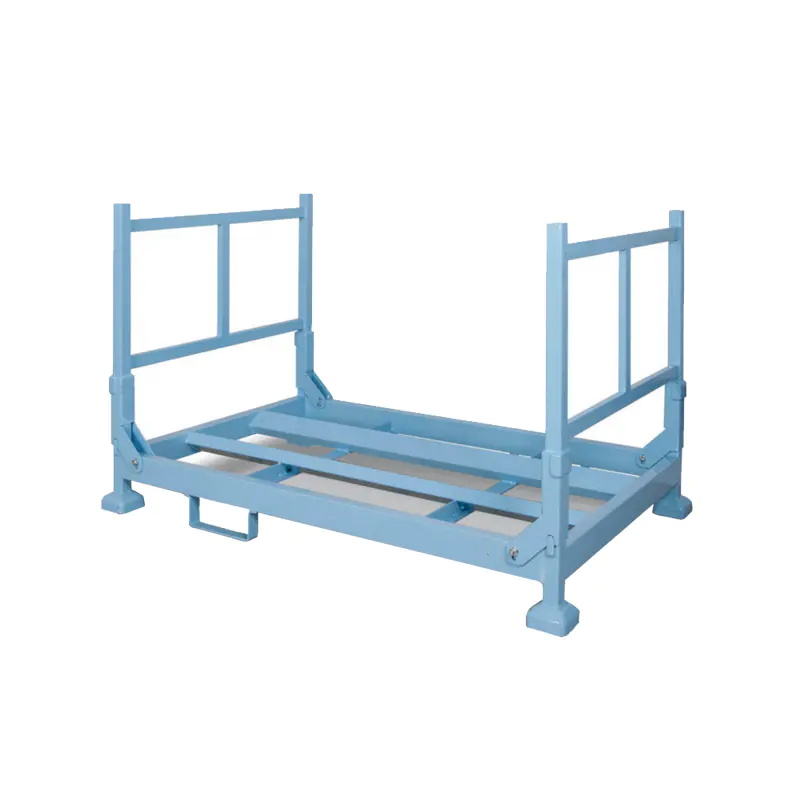
| Packaging and palletising | Case packing, stacking and unit forming | Conveyors, pallet dollies, foldable steel stillages |
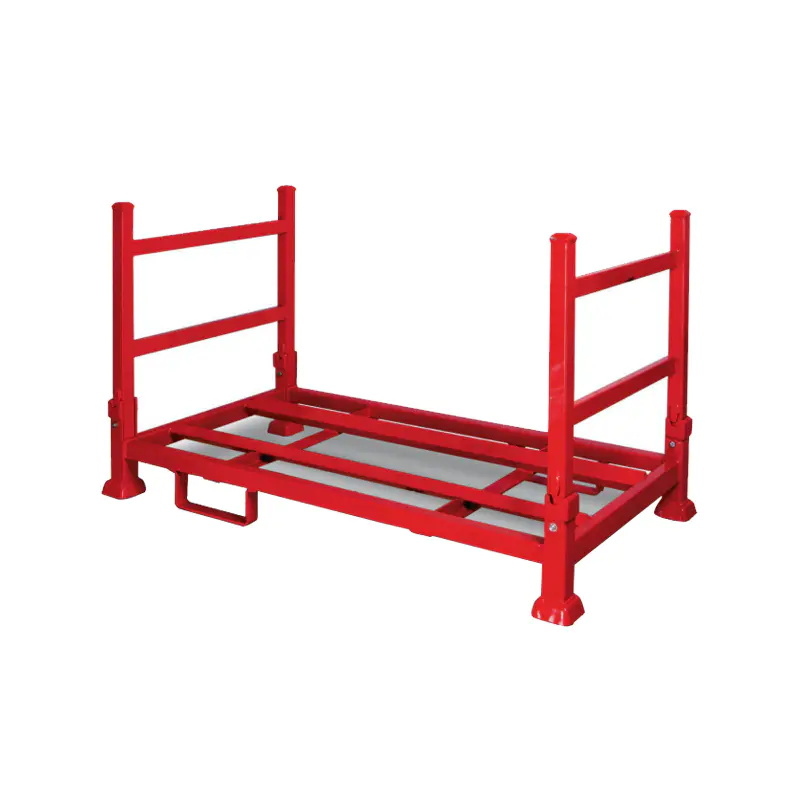
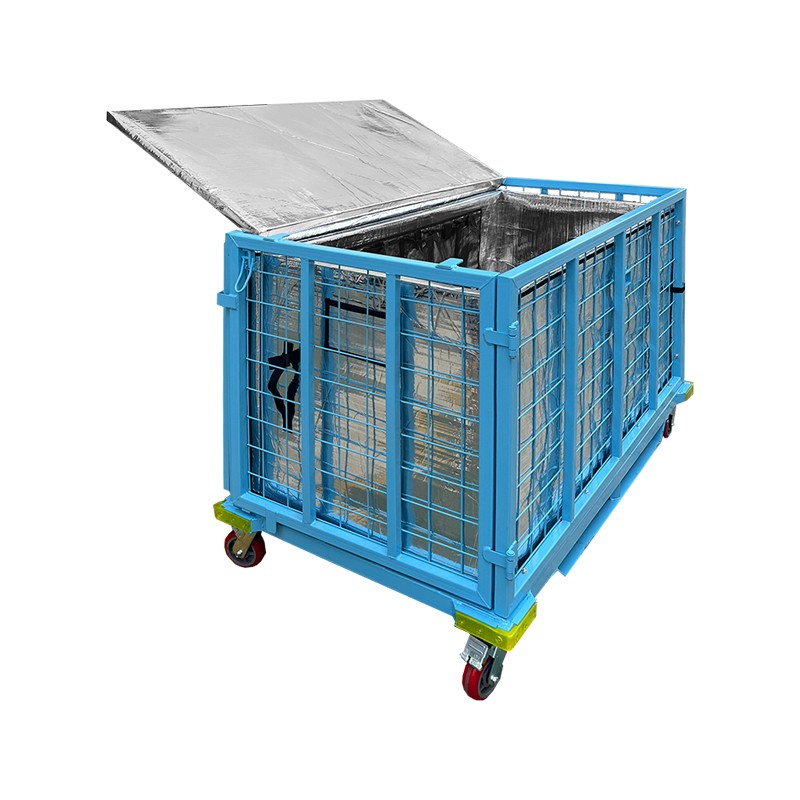
| Cold storage and warehousing | Chilled and frozen storage, stock rotation, inventory accuracy | Stacking racks, wire mesh containers, insulated containers |
| Order picking and store replenishment | Batch picking, staging and delivery to stores or kitchens | Roll cage trolleys, stocking carts, insulated trolleys |
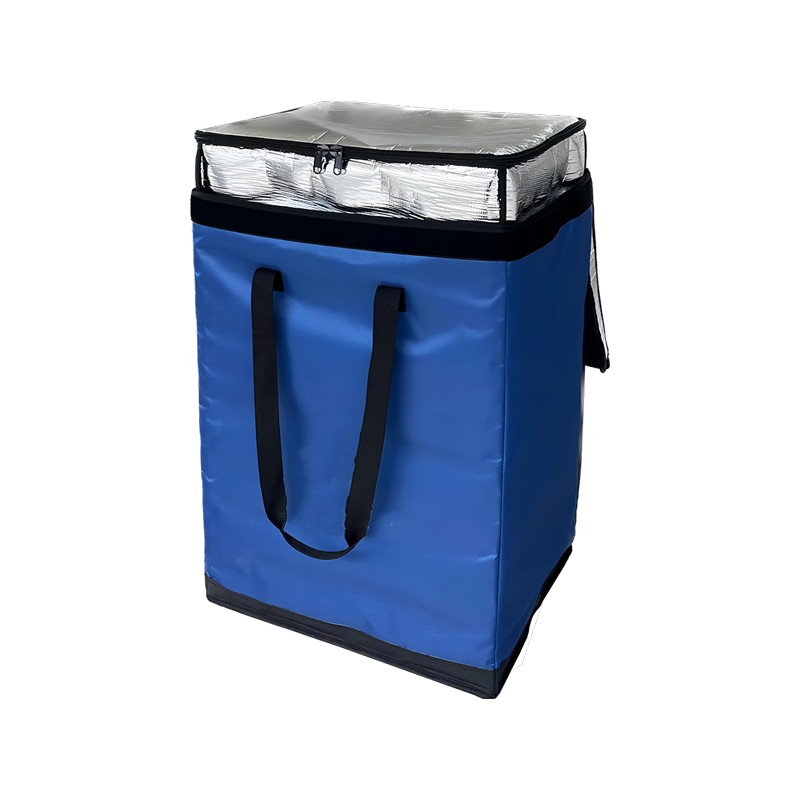
| Last-mile delivery | Short trips and doorstep handover of chilled or frozen orders | Insulated cabinets, insulated bags, crate liners |
Two containers can look identical in a catalogue and behave completely differently after six months of washdowns and freezer rooms. These are the points worth checking before purchase:
Cold chain handling is the part of food logistics where equipment choice has immediate commercial consequences. Chilled and frozen goods have to stay inside narrow temperature bands while they are transferred between vehicles, storage rooms and delivery points, and every transfer is a chance to lose cold air.
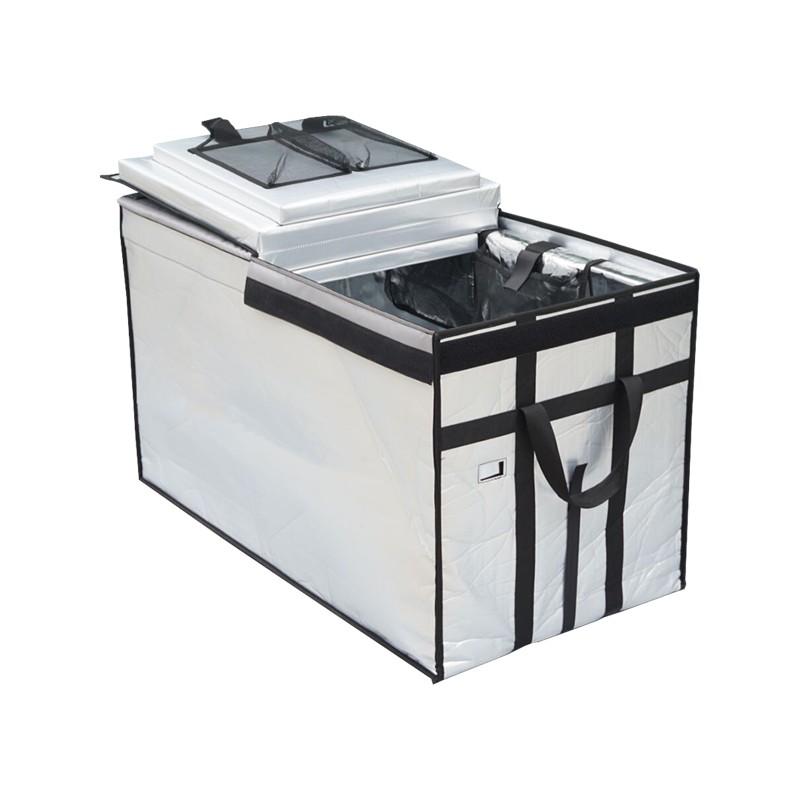
Well-designed insulated equipment manages that risk in a few ways: thick continuous insulation, lids or doors that seal properly, and interior liners that can be wiped down between trips. For very low temperatures, material selection matters, because some foams and gaskets stiffen and crack when they are used below minus eighteen degrees.
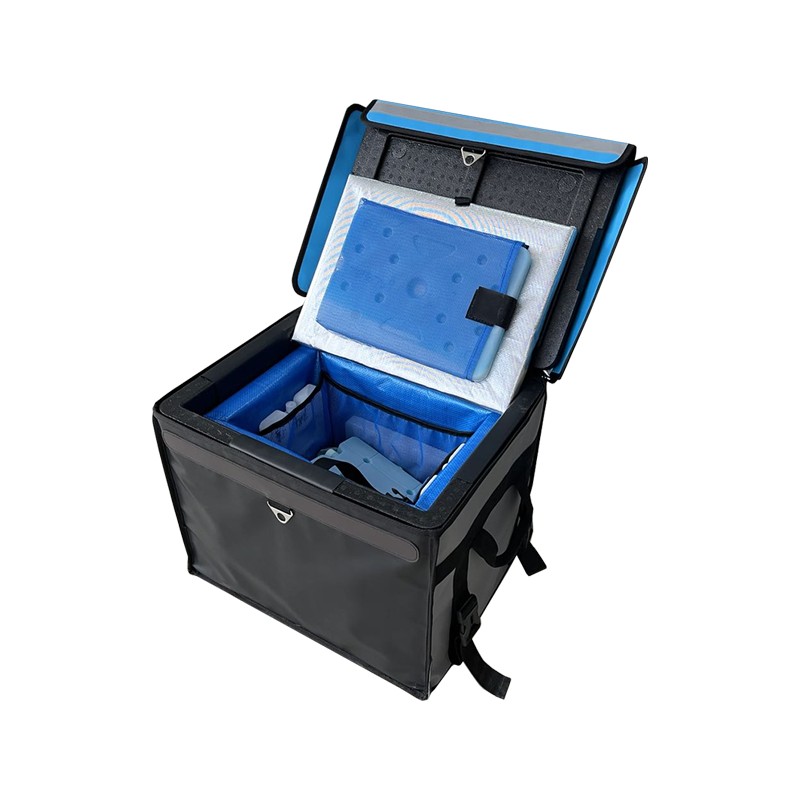 Deep-Freeze Insulation Box for Ice Cream DeliveryHard Material Insulation PanelView Product →
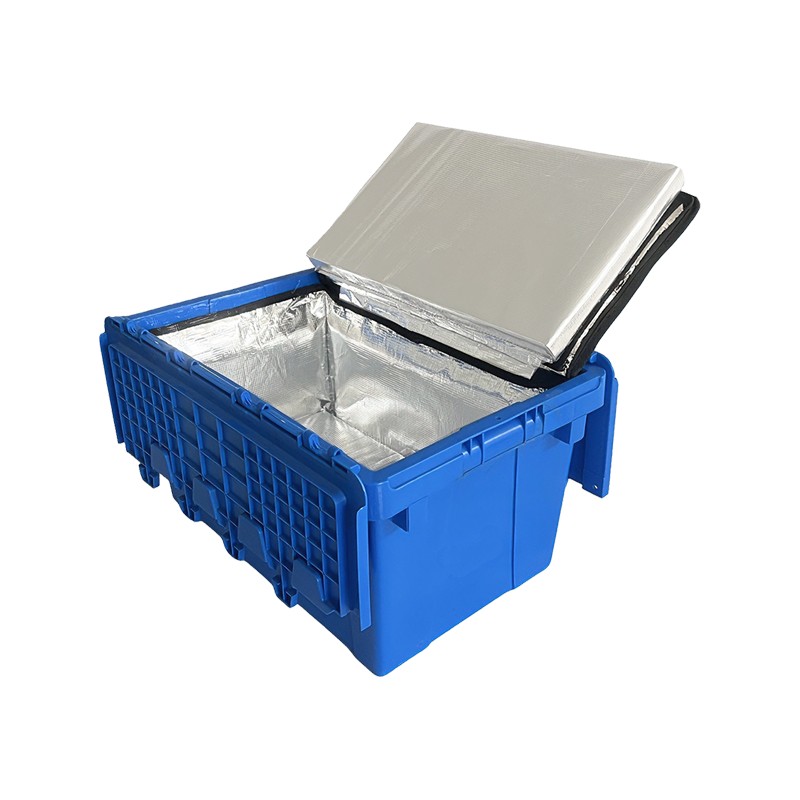
For shorter journeys the same principles apply at a smaller scale. Double-layer insulated delivery bags and folding crate liners turn standard crates into temperature-protected containers, which is often the cheapest way to extend a cold chain without replacing an entire fleet.
If you would like a closer look at how insulated storage is planned inside a temperature-controlled facility, our team has written about temperature-sensitive storage and foldable cold chain containers in more detail.
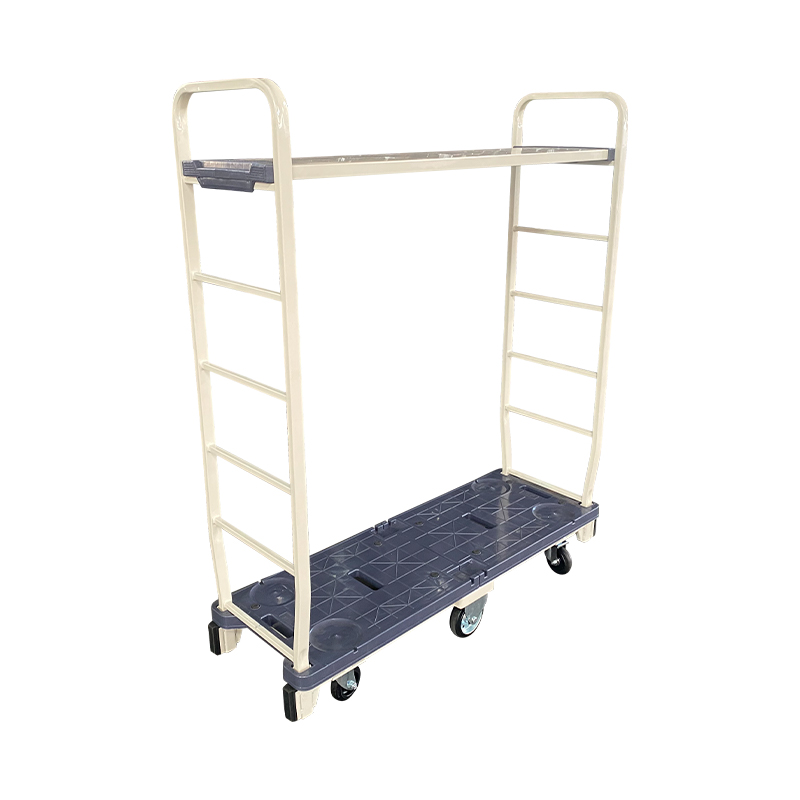
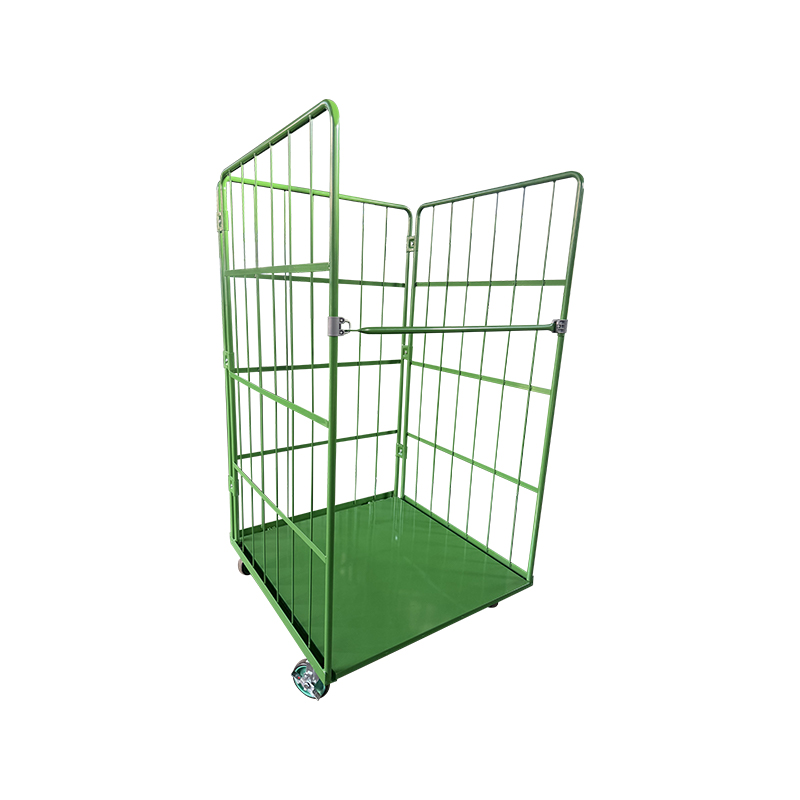
In retail and food service, the roll cage trolley does most of the heavy work. A standard European roll cage moves a full pallet load of cases between a distribution centre and a store, then folds or nests when empty so the return trip costs far less than the outbound one. Variants matter: six-wheel stocking carts handle tight aisles and frequent stops, mesh-wall trolleys give visibility for picking, and L-shaped frames make it easier to wheel a container through doors and lifts.
For chilled and frozen store deliveries, an insulated roll cage trolley keeps the load protected from the refrigerated dock to the shop floor, which removes the need to repack goods into a separate insulated box at the door.
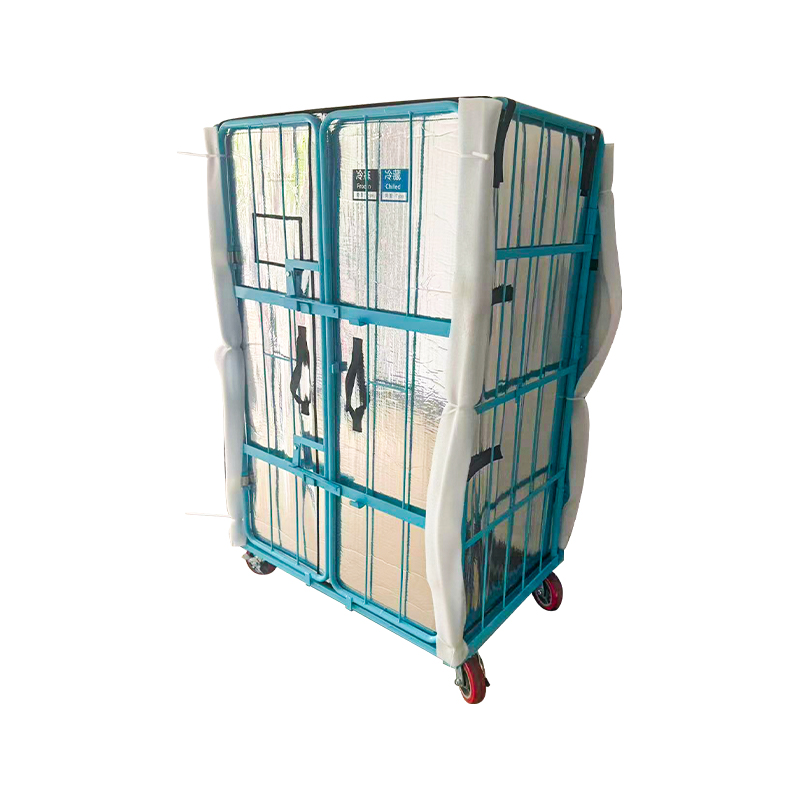 L-Insulated Roll Cage TrolleyThe L-Insulated Roll Cage Trolley is a temperature-controlled logistics solution designed for the transport and distribution of frozen and chilled goods. The steel wir...View Product →
The other advantage of a trolley-based flow is that the same container travels from depot to store to shelf. The product is handled fewer times, and stock moves as one clear unit instead of being broken down and rebuilt at every stage.
Between the production line and the loading bay, unitised containers do most of the carrying. Wire mesh containers are especially useful in food environments because air moves freely through them and the product stays visible without being unpacked. In chilled storage, the open structure helps cold air circulate, and an empty container folds flat and stacks, so the warehouse is not filled with idle equipment.
Solid-sided steel boxes and stillages suit loose or small items, or products that must be protected from dust and light. In wet areas, hot-dip galvanised finishes hold up better than standard painted surfaces, and stainless steel remains the safest option where direct product contact or aggressive cleaning chemicals are involved.
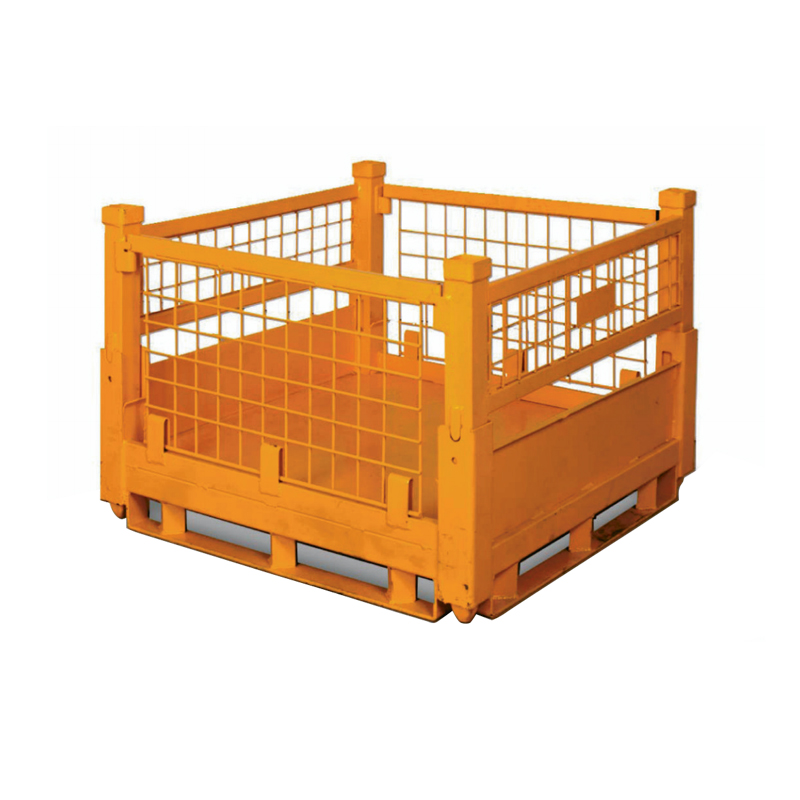 Folding Metal Wire Mesh ContainerDescribe Wire mesh Container features a sturdy wire mesh construction that provides secure containment for a variety of items. It includes a post protector that ensure...View Product →
Whichever format you choose, standardising on a small number of footprints pays off across racking, trolleys, loading bays and staff training, because every part of the operation is built around the same dimensions.
Equipment that has to survive washdowns, freezer rooms and daily abuse is a manufacturing question as much as a logistics one. Since 2014 our team has produced more than 100,000 sets of metal logistics containers a year, with engineers who design backwards from the customer's process rather than forwards from a stock catalogue. That means the footprint, load rating, coating and folding mechanism are set by what the food operation actually needs.
Customisation is the part customers ask about most: a bakery may need an insulated trolley that fits a specific oven rack, while a frozen food distributor may need a stacking frame that works with pallets already in use. Because design, tooling and production sit in one workshop, changes move quickly and stay consistent from the first prototype to the tenth delivery.
If you would like to review the range, start with our metal logistics containers and handling equipment and tell us where the current flow slows down.
Material handling in the food industry is not the most visible part of the operation, but it decides how much product reaches the customer in perfect condition and how much labour is spent moving things twice. Plants that get it right share a few habits: they choose equipment for hygiene and durability rather than price alone, they keep the number of touches low, and they plan the return journey as carefully as the outbound one.
Start with the process, not the catalogue. Map the flow from receiving to dispatch, note where product waits, where it is handled by hand and where cold air escapes, and the equipment list tends to write itself.


Copyright © 2024 Shanghai Betis Logistics Equipment Co., Ltd. All Rights Reserved.
 Custom Metal Storage Cages Manufacturers

 English
 中文简体
中文简体 日本語
日本語