Content
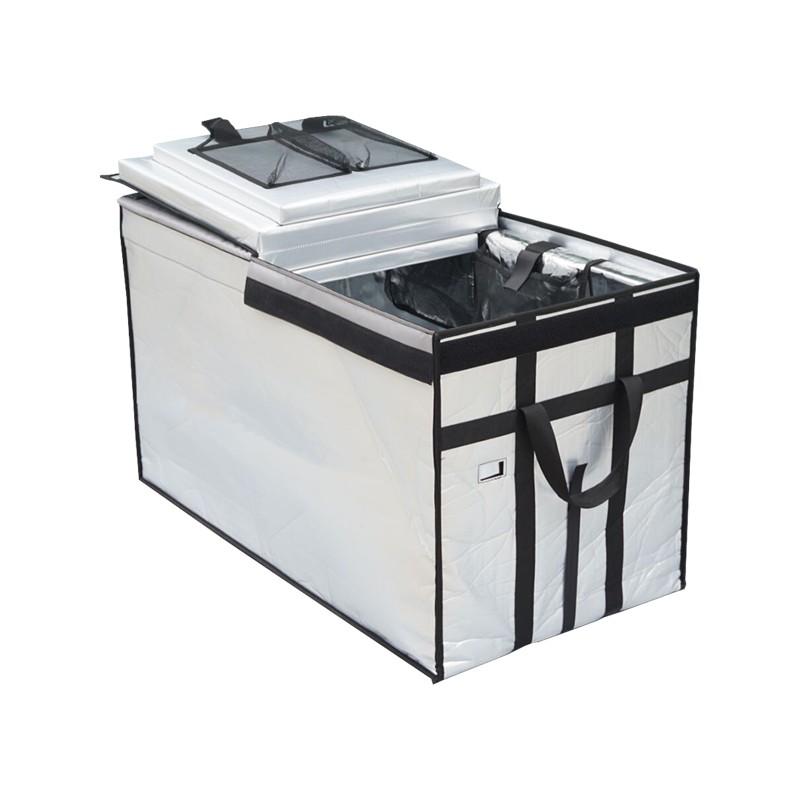
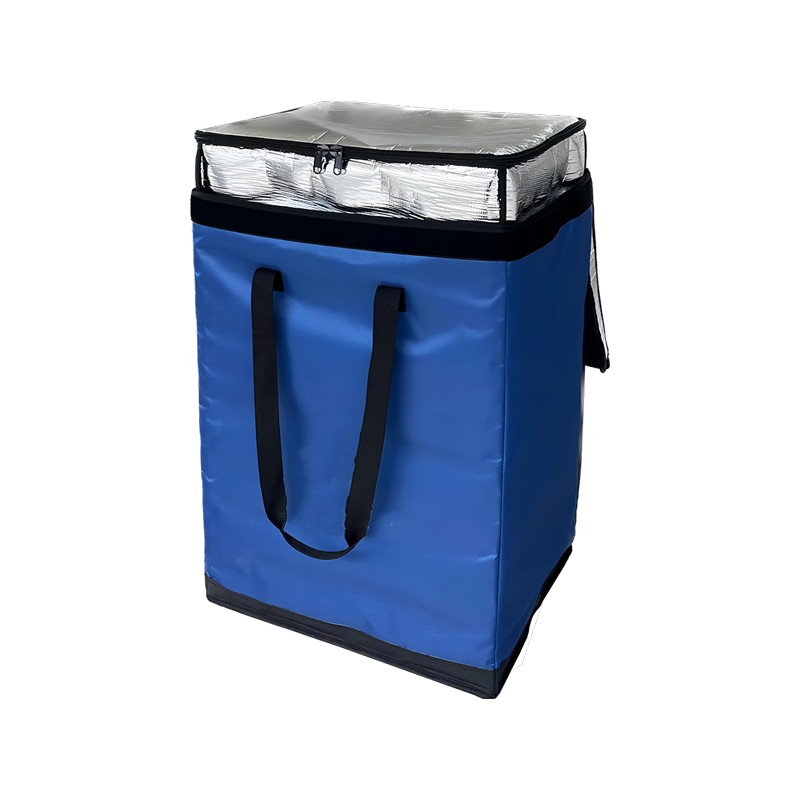
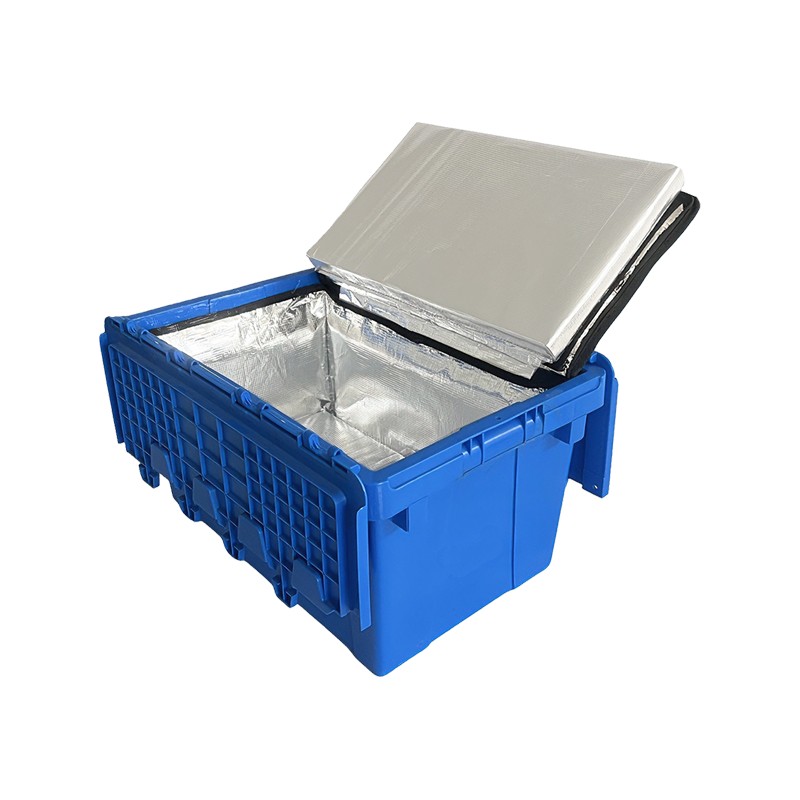
Temperature-sensitive storage solutions are portable, non-permanent containers engineered to hold goods within a precise temperature window during transport, cross-docking, or short-term buffering. Unlike fixed cold rooms or walk-in refrigerated trailers, these devices sit at the intersection of mobility, thermal insulation, and mechanical durability. They typically take the form of insulated roll cages, folding thermal boxes, trolley covers, or multi-layer delivery bags, and they are built to handle the temperature differentials required by food safety, pharmaceutical cold chains, and life-science logistics.
In practice, a well-designed container can keep chilled payloads at 2–8°C while ambient temperatures exceed 35°C, or maintain frozen goods at –18°C during a four‑ to six‑hour last‑mile cycle. The critical difference lies in the container's insulation envelope, seal design, and structural rigidity—all of which determine how long the internal temperature stays within specification without active refrigeration.
Demand for portable cold chain hardware spans several high‑compliance sectors, each with distinct temperature tolerances and operational realities.
In all three cases, the operational team measures success by the fewest temperature excursions and the lowest cost per successful delivery—not by the size of the cold room.
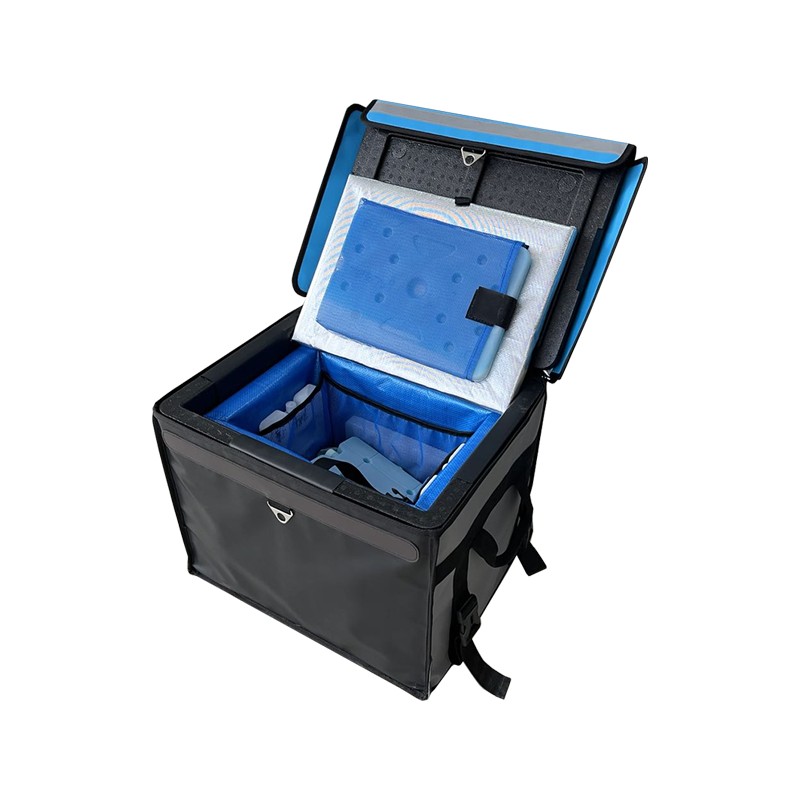
The insulation core defines how long a container can hold its temperature. Polyurethane (PU) foam remains the workhorse; high‑density injection‑moulded PU panels offer a solid balance of thermal resistance and mechanical strength. For extreme hold‑times or deep‑freeze profiles, vacuum insulation panels (VIP) can halve wall thickness while doubling thermal performance. Multi‑layer reflective foil laminates, commonly seen in soft‑shell bags, work best when combined with closed‑cell foam backing. Expect a properly sealed PU container with 50 mm walls to maintain 2–8°C for at least six hours in a 35°C environment. For products that must stay below –18°C, a deep-freeze insulation box for ice cream delivery usually combines thick PU and a gasketed lid to achieve the necessary hold‑time on the road.
Every cubic meter that travels empty erodes margin. Foldable and collapsible container designs reduce return‑leg volume by 60–75%, directly cutting freight cost and storage footprint at the depot. Look for a folding ratio of at least 3:1—meaning three empty containers collapse into the space of one operational unit. This single feature often delivers a faster payback than marginal improvements in insulation R‑value. Fold‑flat roll cages with integrated thermal liners let a single driver deliver temperature‑controlled goods in one direction and stack collapsed cages for dry freight on the return trip.
Food‑grade and pharma‑grade certifications demand surfaces that resist bacterial growth and tolerate frequent washdowns. Stainless steel inner liners, HDPE skins, and electrostatic powder‑coated steel frames hold up better than painted mild steel. Welded seams must be smooth to avoid harbouring contaminants. Roll cage casters, hinges, and latch mechanisms should be rated for the daily cycle count of high‑throughput distribution centres. If the container doubles as a retail‑floor display, its exterior finish should also resist scuffing and retain a clean appearance after months of use.
Operations managers often weigh a capital‑intensive cold room expansion against a fleet of mobile thermal containers. The comparison hinges on three factors: upfront cost, flexibility, and delivery coverage.
| Criterion | Fixed Cold Room | Mobile Insulated Container |
|---|---|---|
| Initial investment | High; construction, refrigeration plant, and validation | Moderate; per‑unit cost scaled to fleet size |
| Last‑mile coverage | Limited to vehicle with active reefer | Flexible; hand‑cart, tricycle, or small van delivery |
| Multi‑temperature capability | Single zone unless partitioned | Separate containers for each temperature band |
| Empty return cost | High if vehicle returns empty | Low; foldable units drastically reduce volume |
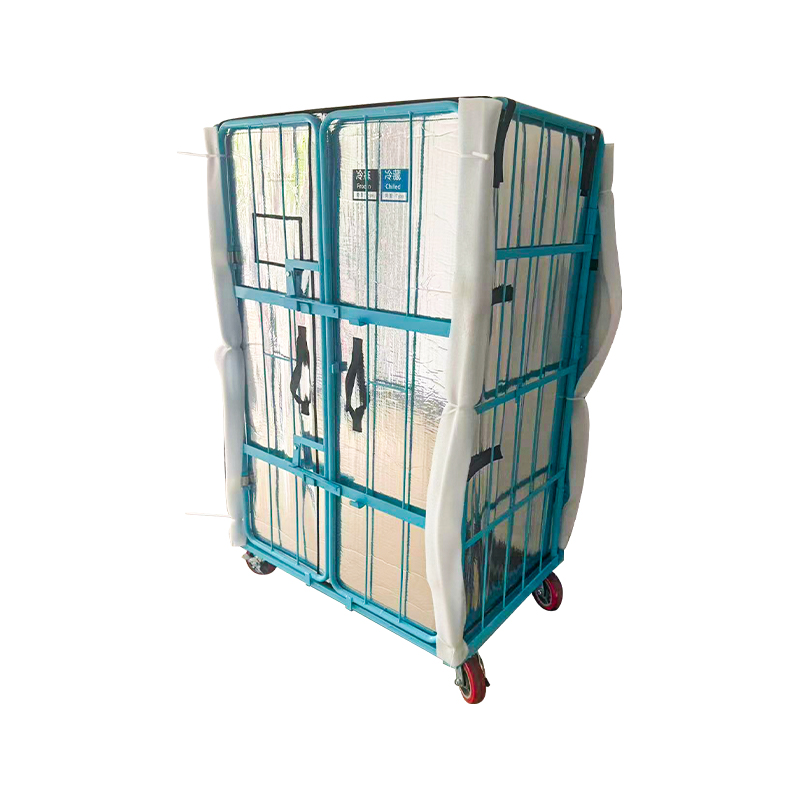
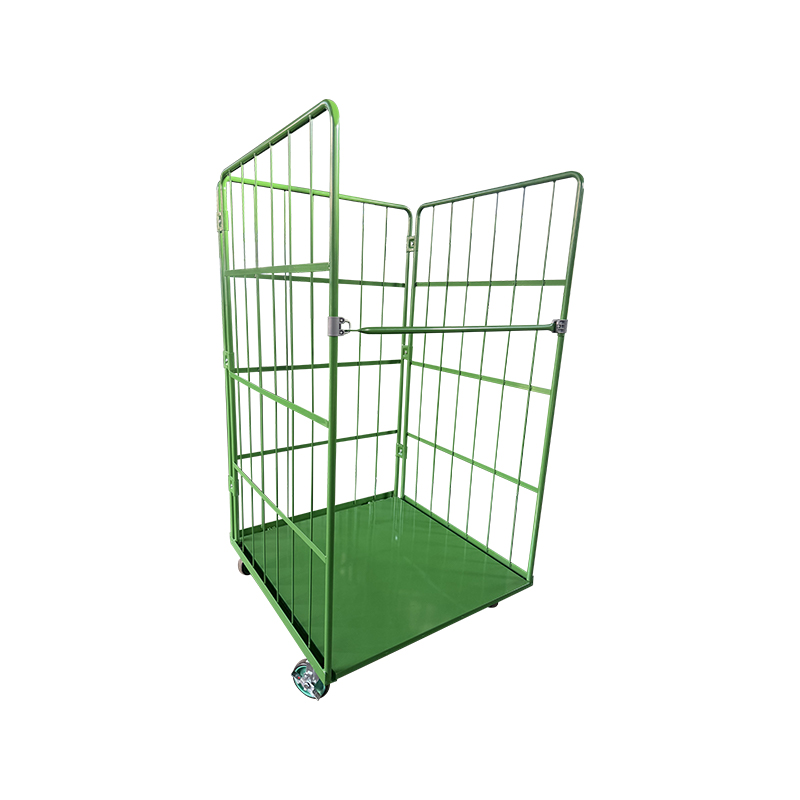
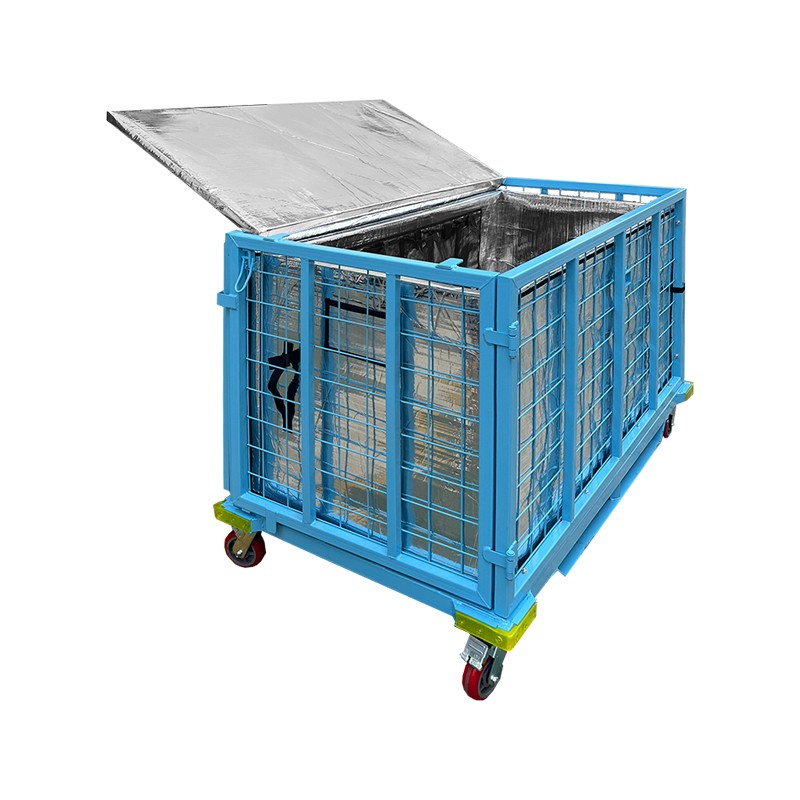
For routes where the shipment volume doesn’t justify a refrigerated truck, a compact insulated cage cart becomes the cold chain. A L-shaped insulated roll cage trolley, for instance, lets a single operator wheel chilled dairy or fresh bakery items directly into the store without any powered cooling on the vehicle. The economics improve further when the trolley folds flat for the return leg, eliminating the need for a dedicated return‑load of temperature‑controlled packaging.
A practical decision framework moves the conversation from technical data sheets to operational fit. The three‑step evaluation below works for procurement teams and logistics engineers alike.
Map the exact coldest and hottest legs of the journey. If the product can never exceed 8°C, the container’s passive‑hold specification must include a safety margin for traffic delays and seasonal heat. Choose insulation thickness and seal quality accordingly.
Operation type dictates the container design. If store staff wheel deliveries through narrow aisles, an insulated roll cage with swivel castors is more productive than a box carried by hand. For electric‑tricycle delivery in dense cities, a top‑opening insulated cabinet with a lockable lid fits the vehicle footprint and allows fast loading. For convenience store restocking where the chilled cage doubles as a display, a convenience store trolley insulation cover slips over a standard roll cage, instantly converting it into a temperature‑controlled mobile merchandiser.
Total cost = acquisition cost + (return‑leg empty‑volume charge × trip count) + replacement of phase‑change materials or ice packs. Foldable containers almost always win on multi‑year logistics spend because they slash the empty‑return penalty, which often accounts for 20–30% of the per‑delivery cost. Validate the folding ratio and the expected lifecycle of hinges and latches with the supplier before comparing price tags.
Temperature‑sensitive logistics no longer requires a dedicated cold store at every node. Today’s folding, insulated containers transfer the cold chain directly into the last‑mile vehicle, the retail floor, or the rural clinic. The right choice combines validated thermal performance with a space‑saving structure that pays for itself through lower reverse logistics cost.
If you are evaluating a cold chain fleet rollout or upgrading existing insulated packaging, start with a real‑world trial of a foldable container that matches your most demanding temperature profile. A tailored specification—covering insulation thickness, caster rating, hygiene certification, and folding ratio—can often be delivered faster than modifying a fixed cold room.
Copyright © 2024 Shanghai Betis Logistics Equipment Co., Ltd. All Rights Reserved.
 Custom Metal Storage Cages Manufacturers

 English
 中文简体
中文简体 日本語
日本語