Content
A truck leaves a distribution center with its reefer unit running at the set point, but the real temperature loss happens after the pallet is set down on an uncovered dock. In the next forty minutes, the surface temperature of the carton climbs several degrees while paperwork and forklifts delay the next leg. Temperature-sensitive cargo fails at handover points, not inside the main transport leg. That is why controlled ambient temperature logistics solutions have to be built from the load up: insulated containers, covers, trolleys, and liners that keep goods inside a defined temperature window through every transfer.
Temperature-sensitive goods are exposed to the environment every time the product changes hands. A refrigerated trailer holds the cold on the road, but a loading dock, a staging area, a delivery vehicle that makes frequent stops, and a store backroom all create gaps where active cooling is absent or intermittent. Those gaps are where spoilage starts.
| Chain stage | Main temperature risk | Equipment that reduces the risk |
|---|---|---|
| Line-haul transport | Frequent door openings and reefer defrost cycles | Heavy-duty long-haul insulation boxes |
| Loading dock or transfer yard | Long exposure while trailers wait or cargo is re-handled | Insulation covers, pallet box liners, and insulated staging containers |
| Last-mile delivery by van or tricycle | Stop-and-go routes with repeated door opening | Insulated cabinets and delivery bags |
| Store or back-room staging | Product sits at ambient temperature before shelving | Insulated roll cage trolleys or cage cart insulation covers |
Passive insulation will not replace a refrigeration unit, but it changes the shape of the temperature curve. Instead of dropping sharply during every delay, the product stays close to its starting temperature because the insulation slows the exchange. In practice, that buys the extra minutes or hours that keep a shipment inside its allowable range.
A properly run temperature-controlled warehousing operation only protects goods while they are inside the building. The moment goods leave the rack, the control moves to the equipment around the load. That is why companies need to examine the entire flow rather than one temperature-controlled room.
The first decision is not which box looks insulated, but how long it must hold the target temperature without active cooling. A shipment moving between two distribution centers may be on a dock for thirty minutes; a long-distance run may face several dock delays plus a trailer swap. The required hold time depends on the allowable temperature range. A product held at 2–8°C is more sensitive to a thirty-minute gap than a product allowed to move between 15°C and 25°C. For longer exposure, the thermal buffer has to be thicker, the seals tighter, and the test data clearer.
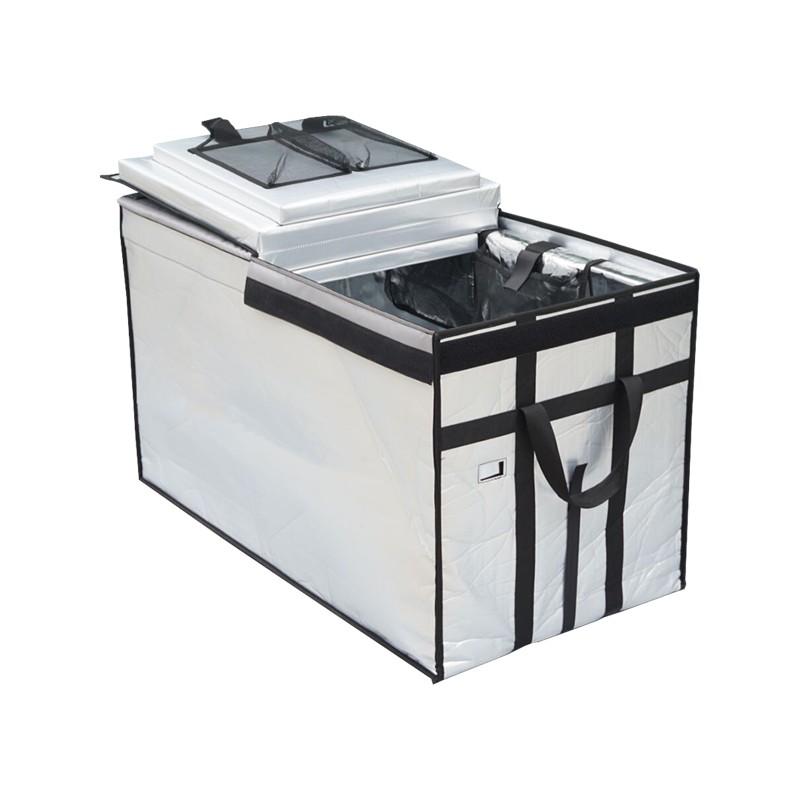 Heavy-Duty Insulated Shipping Box for Long-Haul Frozen FreightThis reusable insulated box uses vacuum insulation panels and reflective film to hold deep-frozen goods below -10°C for up to 40 hours, making it a practical choice for extended dock delays and trailer swaps without active cooling.View Product →
A heavy-duty long-haul insulation box is designed for exactly that situation. It adds a substantial insulation layer around the load, works with standard pallet handling, and lets a warehouse team stage goods without rushing. It also simplifies qualification because the same box can be reused many times, unlike one-way expanded polystyrene packaging.
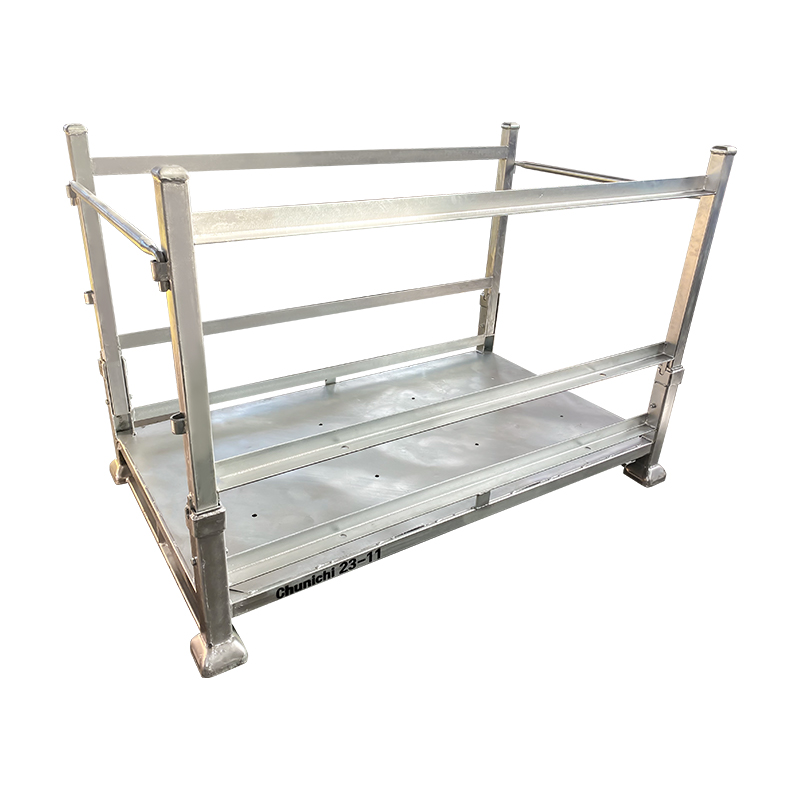
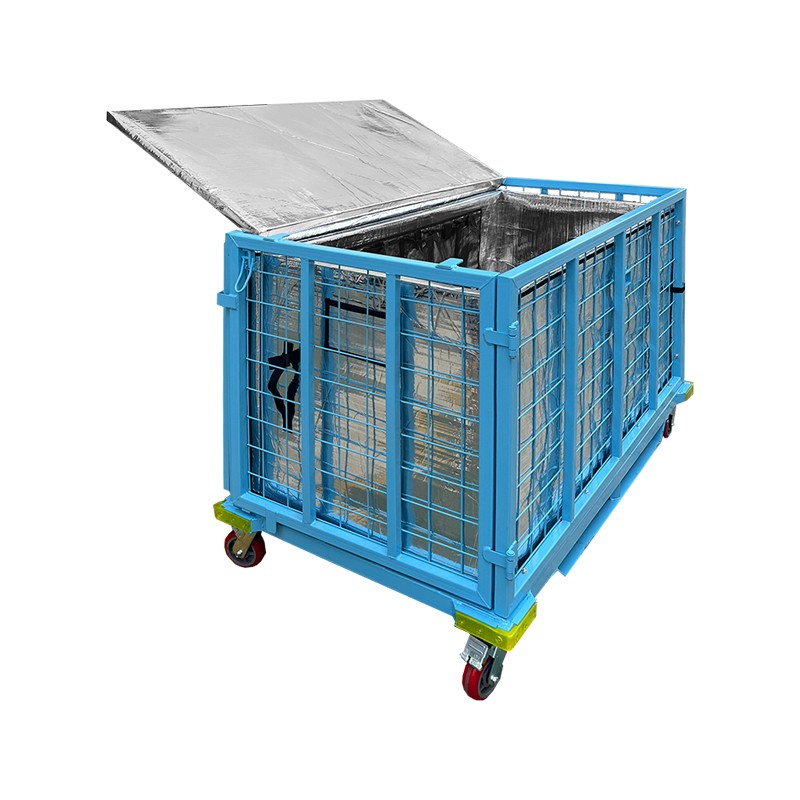
For operations that already use folding crates or steel stillages, adding an insulation liner can create thermal protection without changing the base container. The liner folds flat when empty, so the return trip does not consume the same space as the outward load. That combination matters when the same crates are used for both temperature-sensitive and regular goods.
The same insulation performs differently in different delivery channels. A cabinet that sits on an electric tricycle faces short trips, frequent openings, and outdoor conditions. A cage used for retail replenishment faces forklift handling, store aisles, and back-room delays. Choose equipment that matches the work pattern, not a generic cooler.
For deliveries made by electric tricycle or small van, the container has to be easy to load, strong enough for daily handling, and shaped so the driver can reach items without holding the door open. Insulated cabinets for tricycles are built for those constraints: they protect goods during the run and reduce temperature loss when the vehicle is parked between stops.
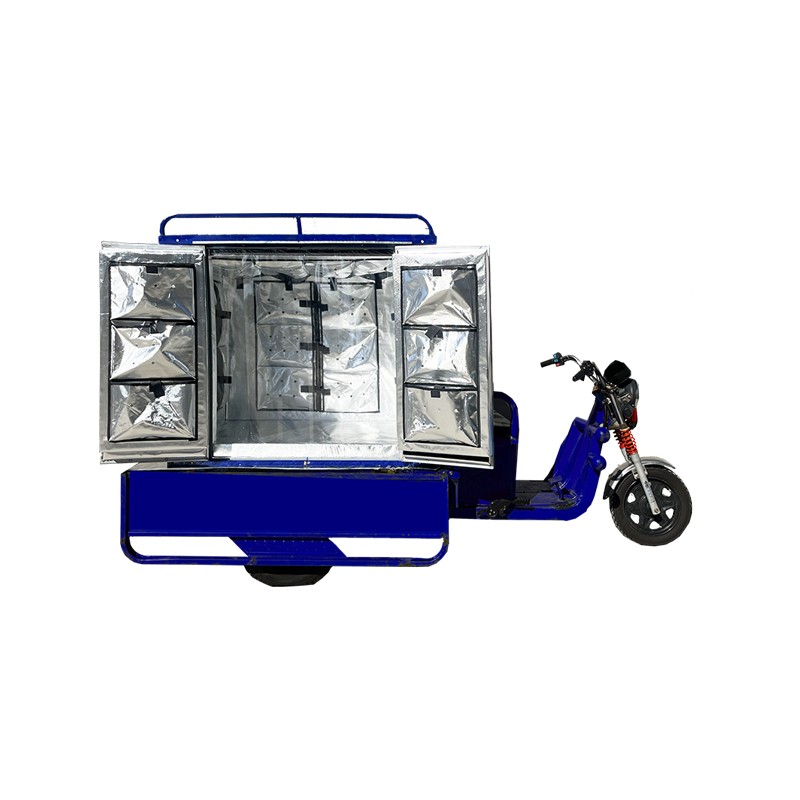 Insulated Cabinet for Retrofitting Electric TricyclesDesigned for last-mile frozen delivery, this cabinet fits onto a standard electric tricycle, holds below -5°C for up to 24 hours with ice panels, and reduces stops for ice replenishment during urban routes.View Product →
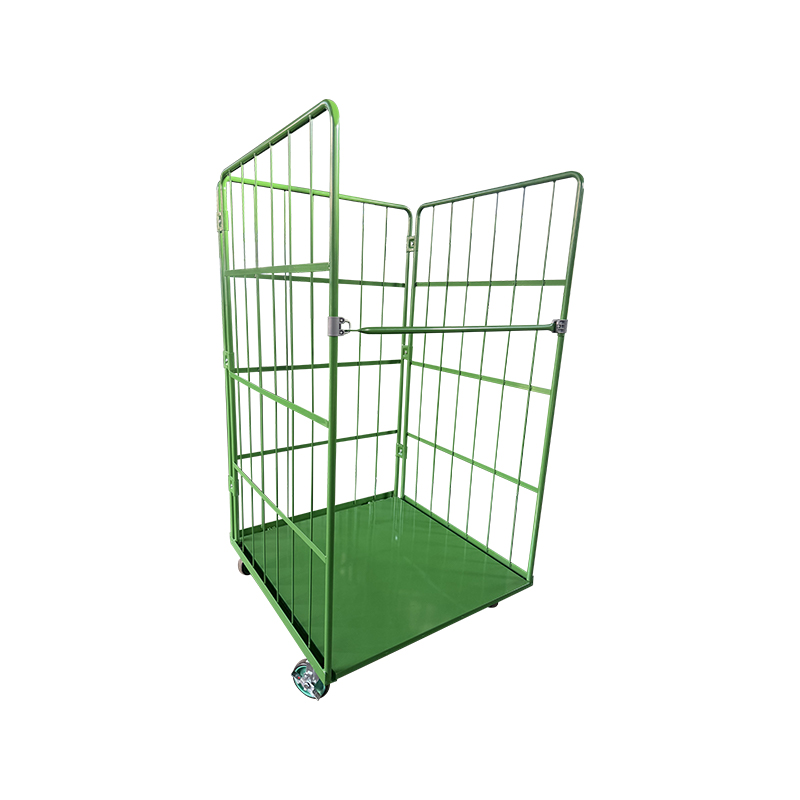
In a supermarket or convenience store, the problem is not the road; it is the time spent on the sales floor. An insulated roll cage trolley lets staff wheel product directly to the shelf while the insulation holds the temperature. It also replaces a separate transfer step, because the same trolley can move cartons from delivery vehicle to display area without unloading and reloading.
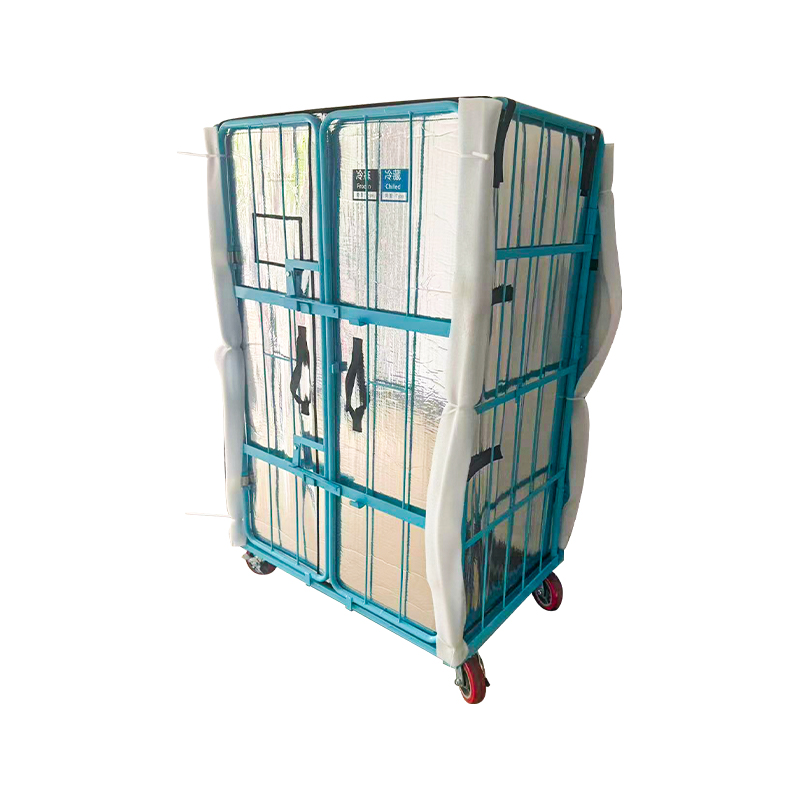 Roll Cage Trolley with Removable Insulated CoverThis wheeled cage combines a powder-coated steel frame with a multi-layer foil cover that wraps the entire load, allowing staff to move chilled or frozen goods directly to shelf displays while saving an extra transfer step.View Product →
If an operation already owns a fleet of standard mesh cage carts, a fitted insulation cover can provide similar protection at a lower replacement cost. That is an option worth checking when the base cage is still in good condition and the priority is improving temperature stability.
Temperature protection is only one side of the calculation. Every insulated container has to come back to the origin point. If the empty unit takes up as much room as the loaded one, freight and storage costs rise quickly. The standard answer is foldable or stackable construction: boxes, cages, and liners that collapse when empty and return nested.
An equipment supplier that covers both cold-chain items and general metal unit-load containers can help you keep footprints consistent across the network. Mixing different base sizes across a network is a hidden cost that shows up only when loads are consolidated on a return trip.
Before buying controlled ambient temperature logistics equipment, check the specifications that will actually affect your operation. Published insulation thickness means nothing if the door seal leaks or the box cannot survive daily handling.
Shanghai Betis Logistics Equipment has spent more than ten years building metal unit-load containers and insulated distribution equipment. Its production capacity exceeds 100,000 units per year, which matters when a network roll-out requires the same specification across multiple depots. The key is to ask for a specification that matches your actual route pattern, not just a brochure temperature.
A controlled ambient temperature logistics solution lives or dies at the hand-off points. Start by mapping where goods wait, how long they wait, and how the equipment will be handled. Then choose thermal buffers, delivery containers, and folding solutions around that map. The result is a chain that stays within range even when the dock door is open.


Copyright © 2024 Shanghai Betis Logistics Equipment Co., Ltd. All Rights Reserved.
 Custom Metal Storage Cages Manufacturers

 English
 中文简体
中文简体 日本語
日本語