Content
A warehouse manager auditing monthly carrying costs discovers that 30% of floor space is occupied by buffer stock that turns only four times a year. That one observation often triggers a deeper look at just-in-time methods. A JIT inventory system isn’t simply about running lean; it’s a pull-based strategy that synchronizes material arrival with actual production or order demand. When equipped with the right physical infrastructure—collapsible containers, modular stillages, roll cages—the system delivers measurable inventory reduction without sacrificing throughput.
A JIT (just-in-time) inventory system is a demand-driven model in which raw materials, work-in-process goods, and finished products move through the supply chain only when a downstream process signals a need. Originating in the Toyota Production System, it treats inventory not as an asset but as a form of waste that ties up capital and hides production inefficiencies. Instead of holding safety stock to cushion against variability, a well-designed JIT environment eliminates variability at its source through standardized work, reliable suppliers, and tightly orchestrated material flow.
The contrast with traditional push-based planning is stark. Conventional systems forecast demand, build to stock, and push batches forward. A JIT operation begins with a customer order and pulls components backward through production and supply stages. That fundamental shift changes warehouse dynamics: storage moves from static holding to active staging, and the equipment must support rapid putaway, fast picking, and frequent rotation.
Three principles anchor any successful JIT implementation. The pull mechanism—often managed through Kanban cards or electronic signals—triggers production or replenishment only when a downstream process consumes an item. That prevents overproduction and reduces excess work-in-process. Waste reduction extends beyond inventory to motion, waiting, transportation, and defects. Continuous improvement (Kaizen) ensures that processes, layouts, and equipment configurations are refined over time, often at the container or workstation level.
These principles have direct physical consequences. If a workstation receives parts every two hours instead of once per shift, the containers that carry those parts must be lighter, more manoeuvrable, and dimensioned for line-side presentation. If racks are reconfigured monthly during Kaizen events, they must be repositionable or foldable. The hardware becomes an enabler of the operating philosophy, not an afterthought.
Companies that adopt a disciplined JIT approach typically report three broad categories of improvement: working capital liberation, quality acceleration, and operational agility. Third-party benchmarking across discrete manufacturing and distribution shows that total inventory-holding cost can fall by 25% to 40% once a pull system is mature, primarily because stock sits in the warehouse for days instead of weeks. Capital previously parked in raw materials becomes available for revenue-generating activities.
Equally important, quality defects surface faster. In a high-inventory environment, a bad batch of components might remain hidden behind buffer stock until it reaches assembly weeks later. When parts arrive just-in-time, a defect is visible within hours, triggering immediate corrective action. This shortened feedback loop reduces scrap and rework while strengthening supplier accountability.
Storage costs extend well beyond the square-metre rate. Holding cost includes capital cost, insurance, obsolescence, damage, and labour for movement and counting. When a JIT system shrinks average inventory by even 30%, the cumulative saving often equals the annual salary of several indirect-labour positions. Less stock also means a smaller physical footprint, which can defer or eliminate the need for facility expansion. For businesses that rent warehouse space, each pallet position freed up can be directly translated into a lower monthly lease or the ability to bring outsourced storage back on site.
Shorter inventory cycles favour responsiveness. If a customer changes an order mid-week, a JIT operation can adjust production sequences with minimal stranded stock. The system’s small batch sizes also reduce the risk of propagating errors across an entire production run. Operators handling less material at the line side can maintain better housekeeping and ergonomics, factors that contribute to consistent output quality. In automotive tier-one environments, switching from bulk bins to sequenced, returnable stillages has been shown to improve right-first-time assembly rates by up to 15%.
No system eliminates exposure entirely. The most cited vulnerabilities of a JIT inventory system are supply discontinuity and demand amplification. A single logistics disruption—port congestion, a supplier fire, a sudden surge in orders—can stall production within a day. Mitigation starts with supplier selection: vendors must demonstrate on-time-in-full delivery performance above 98% and share production schedules transparently. Multi-sourcing for critical components, maintaining a small strategic buffer of high-velocity items, and investing in real-time visibility tools are practical countermeasures.
Another challenge is workforce readiness. JIT demands cross-trained operators who can move between tasks and disciplines. Supervisors must learn to read visual signals instead of relying on warehouse management system reports alone. The transition usually requires a phased pilot line so that the organization absorbs new habits without risking core output.
Management frameworks can design a pull signal loop, but physical goods still need to be staged, transported, and presented. This is where unit-load carriers and modular racking become critical. Equipment that is too rigid or fixed in configuration works against JIT’s need for frequent reconfiguration. Conversely, products designed for quick folding, nesting, and stacking reduce the non-value-added time between processes. For example, collapsible wire mesh containers streamline lean inventory management by collapsing to a fraction of their erected height when empty, freeing up return-trip trailer space and reducing warehouse clutter during off-peak periods.
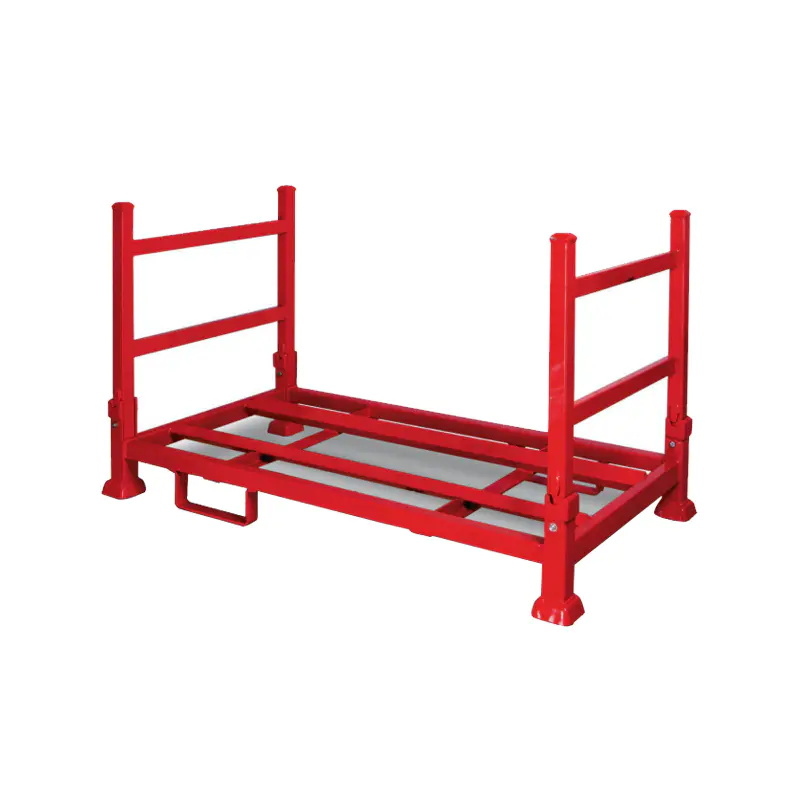
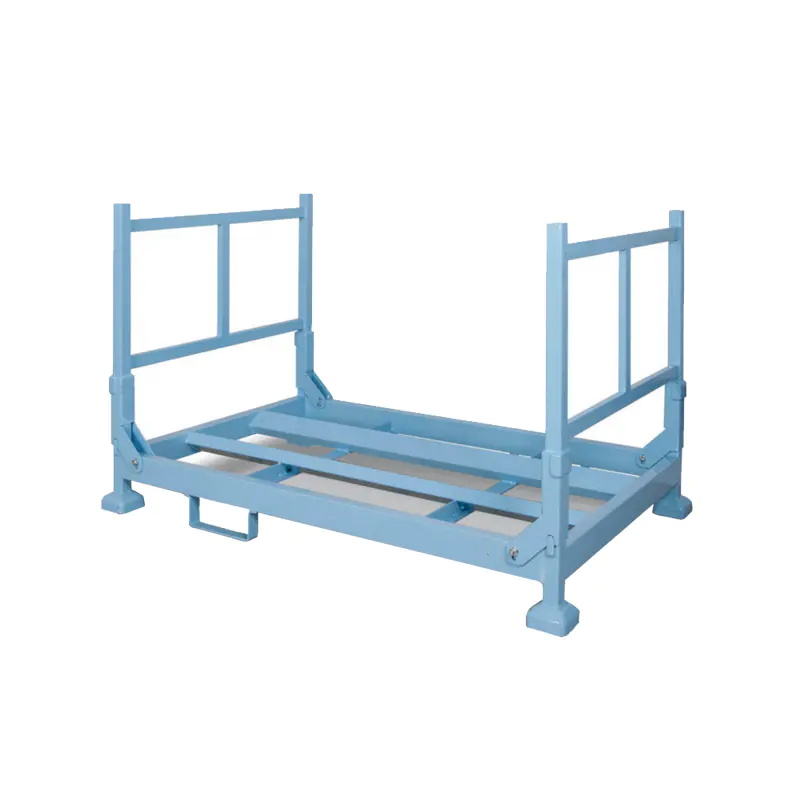
JIT production cells rarely have the luxury of dedicated bulk storage. Components must be held in dense, single-minute-accessible configurations. Foldable steel stillages answer that need directly. An Euro foldable steel stillage for JIT storage can be deployed for incoming parts and then collapsed and nested when the lot is consumed, so the floor space it occupied reverts immediately to active use. Stacking racks with uniform footprints reinforce this pattern: when every rack accommodates a standard stillage footprint, forklift operators can rotate stock without recalculating load centres, and pickers can locate bins instinctively. Foldable steel stillage units for warehouse space optimization allow facilities to increase storage density during peak demand and scale back during low seasons without permanent racking changes.
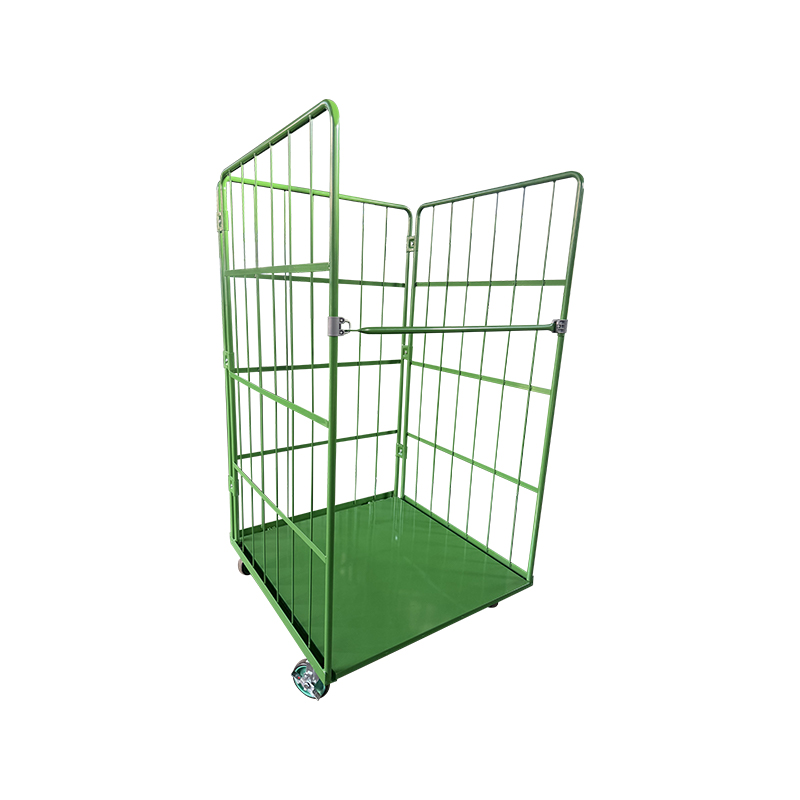
In retail distribution and mixed-model assembly, the journey from pick face to point of use is where JIT gains can be eroded by double handling. Roll cage trolleys eliminate that step. Workers pick directly into the trolley according to a route sequence, then wheel it to the line or store aisle for immediate restock. A standard Eurostyle roll cage trolley for JIT workflows with folding shelves can be pre-configured for a kit of parts or a daily order batch, making it a mobile kanban. The trolley itself becomes the signal: when it empties, it returns to the staging area, triggering the next replenishment cycle. For further guidance, refer to our guide to choosing the right roll cage trolley for your business.
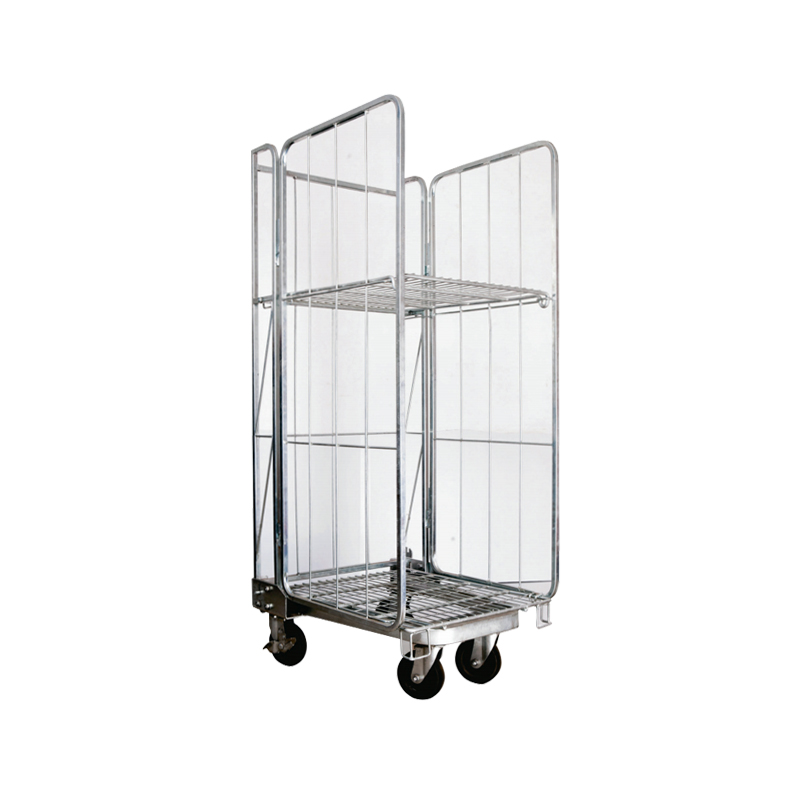 Wholesale Standard Euro-style Roll Cage Trolley Suppliers, Manufacturers - ShangShanghai Betis Logistics Equipment Co., Ltd. is China wholesale Standard Euro-style Roll Cage Trolley suppliers and OEM/ODM manufacturers...View Product →
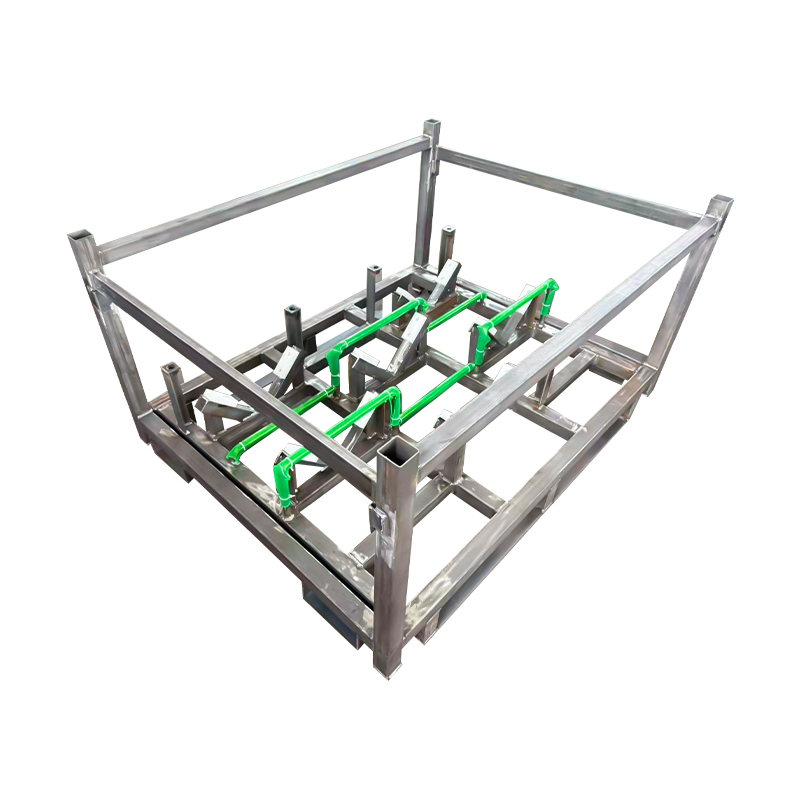
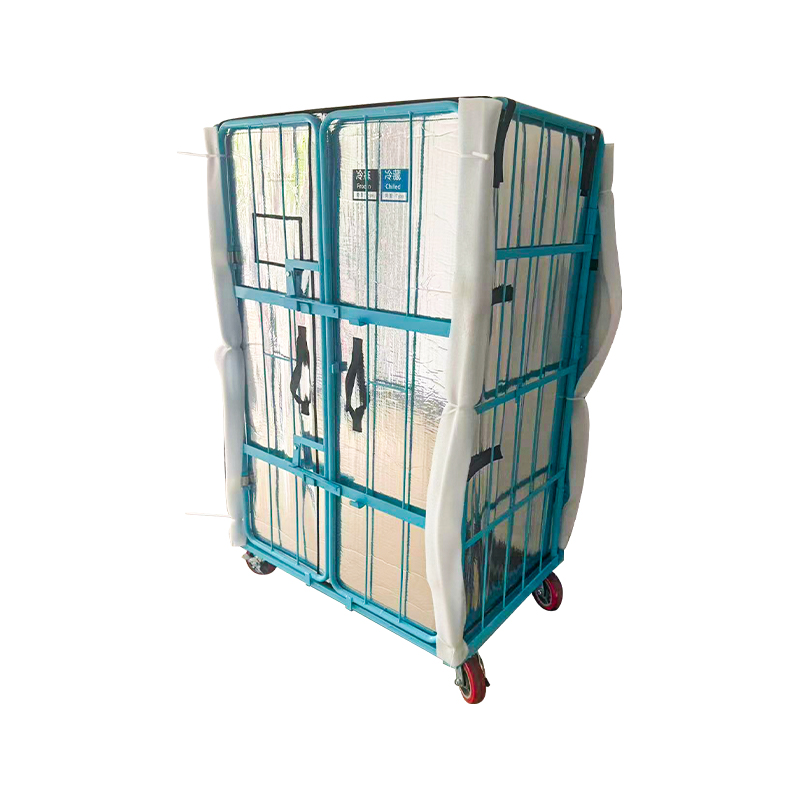
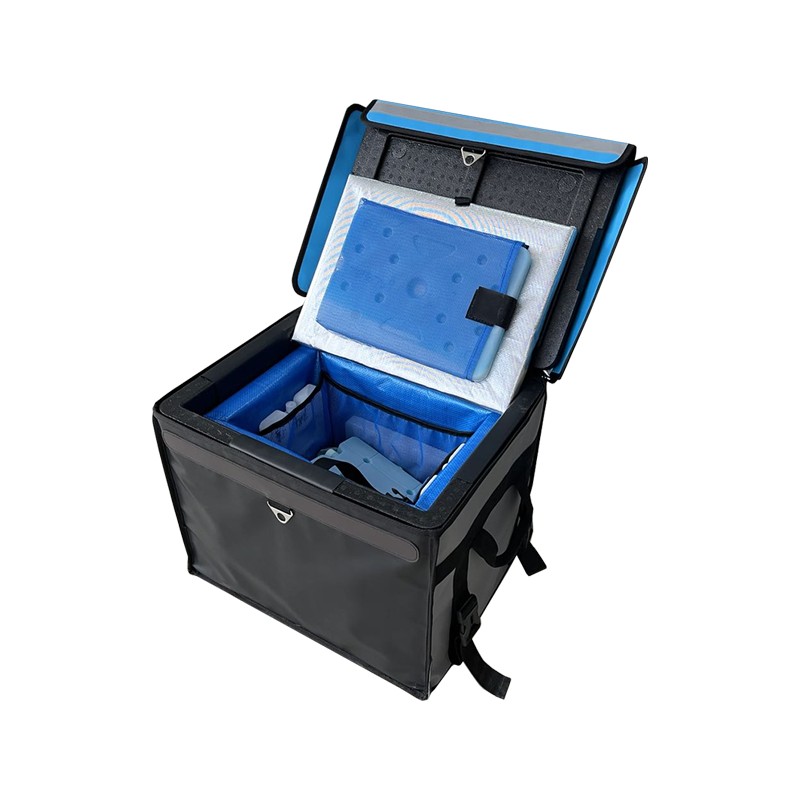
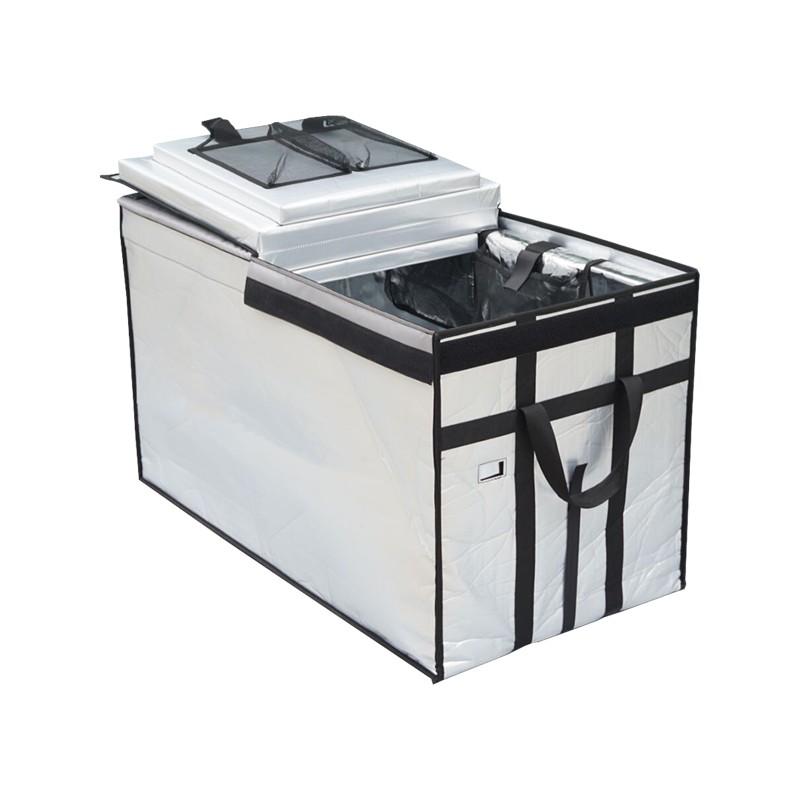
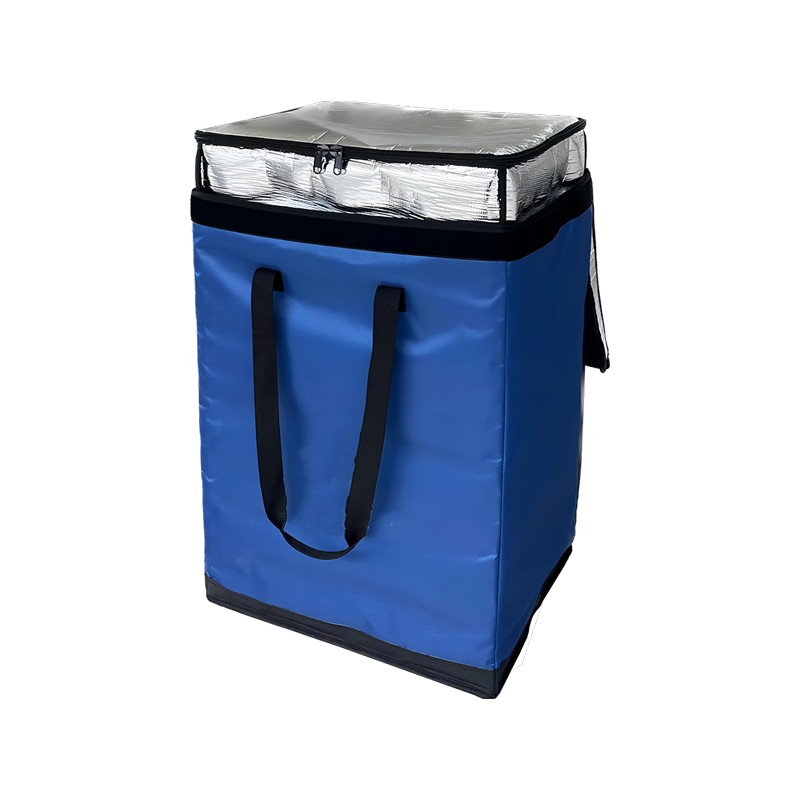
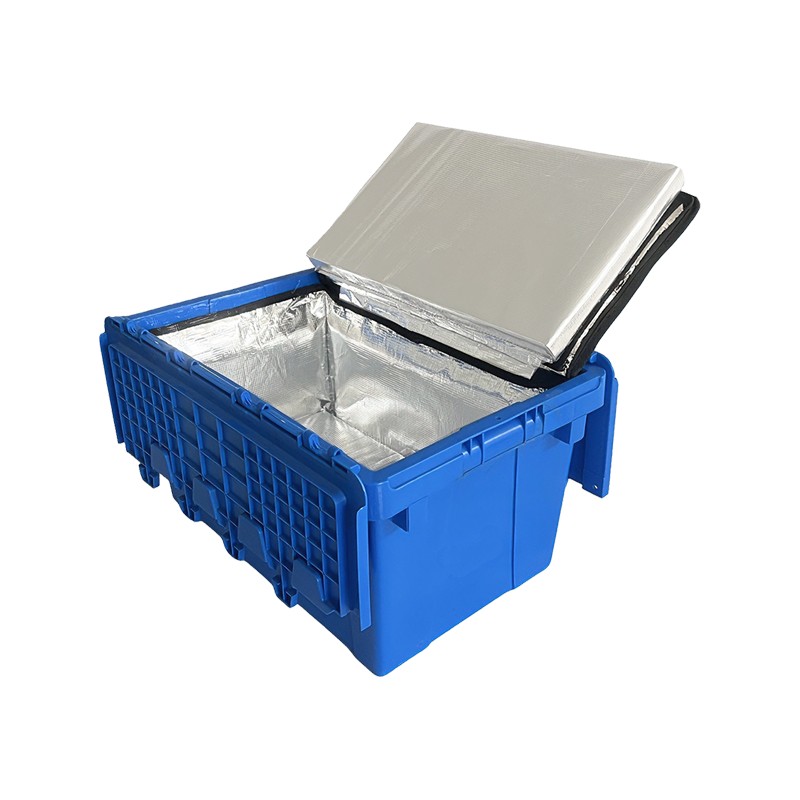
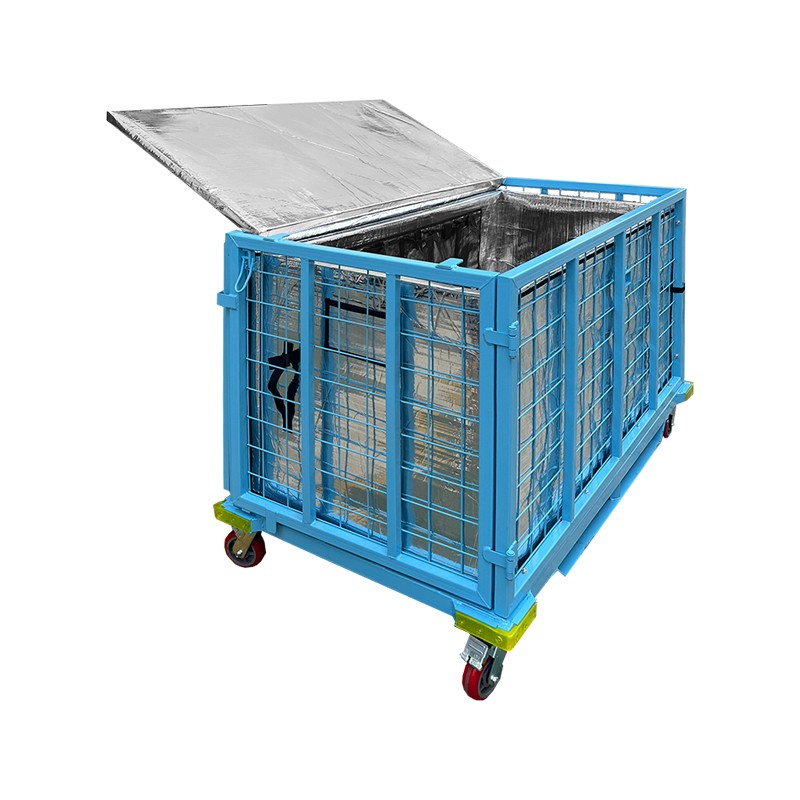
Sector-specific JIT demands cannot be met with generic shelving. Automotive parts—door frames, bumpers, engine blocks—require engineered stillages that locate each part in a protective nest, maintain orientation for robotic loading, and stack securely during milk-run deliveries. Similarly, cold chain JIT for fresh food or pharmaceuticals depends on insulated cages and thermal pallet covers that maintain a narrow temperature window from blast freezer to retail shelf. A hot-dip galvanized stacking rack for automotive JIT withstands the humidity and corrosion of frequent washing cycles, a requirement often overlooked until rust contaminates a production line. These are not commodity products; they are engineered links in a temperature-controlled or precision-oriented pull chain.
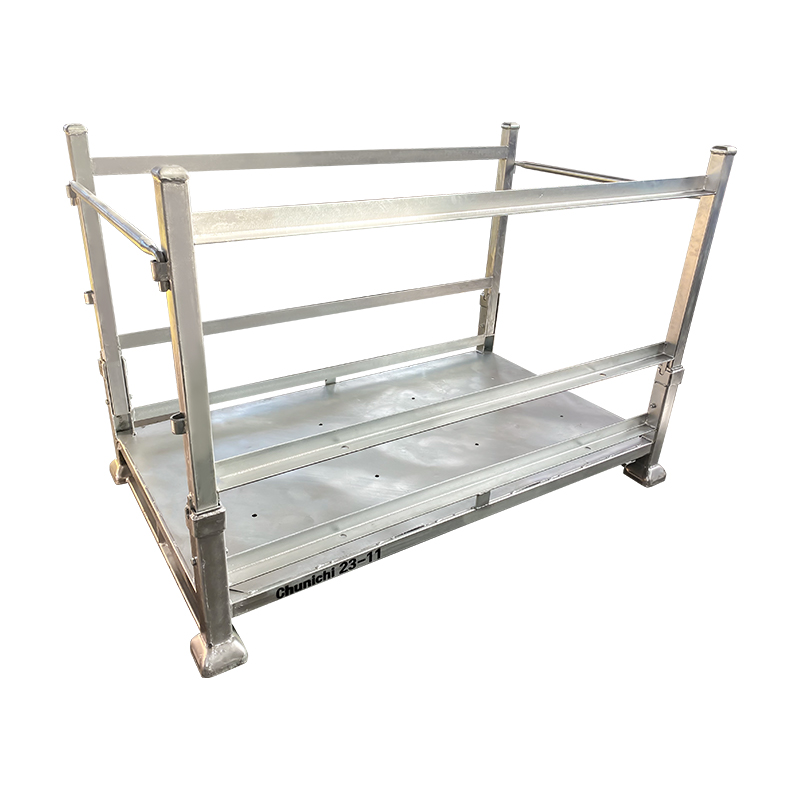 Wholesale Hot-dip Galvanized Foldable Stacking Rack Suppliers, Manufacturers - SShanghai Betis Logistics Equipment Co., Ltd. is China wholesale Hot-dip Galvanized Foldable Stacking Rack suppliers and OEM/ODM manufactu...View Product →
Selection criteria should align with the process map, not just the part catalogue. Begin by documenting the replenishment interval: if a workstation is resupplied every 45 minutes, the container load must be portable by a single operator or a lightweight tugger without mechanical lift assist. Next, evaluate the dimensional envelope of the part set; a container that is 10% oversized wastes transport volume and encourages overpacking. Foldability becomes a hard requirement when return logistics cost per trip exceeds 5% of the container’s value. The table below maps common functions to recommended equipment features.
| JIT Function | Recommended Equipment | Critical Feature |
|---|---|---|
| Small-part line-side replenishment | Collapsible wire mesh containers, foldable steel boxes | Folds to 25% of erected height |
| Sequenced kit delivery to assembly | Roll cage trolleys with divided shelves | Manoeuvrable castors, folding shelves |
| Heavy or irregular automotive parts | Custom engineered stillages, stacking racks | Corrosion protection, locating nests |
| Temperature-controlled JIT distribution | Insulated roll cages, thermal pallet covers | Sealed seams, rapid temperature recovery |
Beyond the base specification, consider the finish. Electrostatic spraying, used on many foldable stillages, adds a chip-resistant layer that survives the frequent collision and stacking cycles inherent in JIT handling. Where wash-down is mandatory, hot-dip galvanizing provides an extra decade of service life compared to painted steel.
A JIT inventory system succeeds or fails on the reliability of its physical material flow. While management disciplines create the pull signal, the containers, racks, and trolleys that carry the signal determine whether the line stops or continues. Evaluating current equipment against the benchmarks of foldability, mobility, and custom fit often reveals the fastest payback opportunity in a lean transformation. For operations considering a move to sequenced delivery or Kanban-controlled staging, investing in purpose-built custom logistics equipment for just-in-time systems closes the gap between concept and daily execution.

Copyright © 2024 Shanghai Betis Logistics Equipment Co., Ltd. All Rights Reserved.
 Custom Metal Storage Cages Manufacturers

 English
 中文简体
中文简体 日本語
日本語