Content
When a production line halts because a $2 fastener is missing, the root cause is rarely a purchasing error—it's a breakdown in material management within the warehouse. Material management governs the entire flow of goods from procurement through internal distribution, ensuring the right material reaches the right place at the right time in the right quantity. Unlike inventory control, which counts what you have, material management orchestrates planning, sourcing, receiving, storing, and internal movement so that stock levels directly support operational demand.
Five core steps form this discipline: planning and forecasting, procurement and receiving, storage and slotting, material handling and movement, and inventory control with cycle counting. Each relies on a specific mix of process discipline and physical infrastructure. A warehouse that treats these as siloed functions will consistently over-order, hoard incorrect stock, and lose productive hours to avoidable travel time.
Accurate material planning eliminates the guesswork that leads to stockouts or cash‑strapping overstock. Historical usage data, production schedules, and lead‑time variability build the forecast. Separating direct materials (components that end up in the product) from indirect materials (consumables, packaging) is the first step toward inventory accuracy because each demands a different replenishment logic. NetSuite research shows that balancing carrying costs against the risk of a line stoppage is the core financial trade‑off; for critical A‑class items, overstocking by 10–15% can be cheaper than one hour of downtime.
Forecasting also dictates the physical storage capacity required. A sudden spike in raw‑material receipts without correlated demand strains receiving docks and picking faces. Warehouse managers who share granular forecast data with logistics equipment planners avoid this mismatch, ordering modular storage units that can expand or contract with seasonal peaks.
Receiving is the first moment of truth. A sloppy dock operation introduces errors that ripple into inventory records, production schedules, and supplier relationships. Every incoming shipment must follow a three‑point check: count accuracy, visual damage inspection, and conformance to the purchase order. Defects or overages should be quarantined immediately in a designated holding area, not mixed with approved stock.
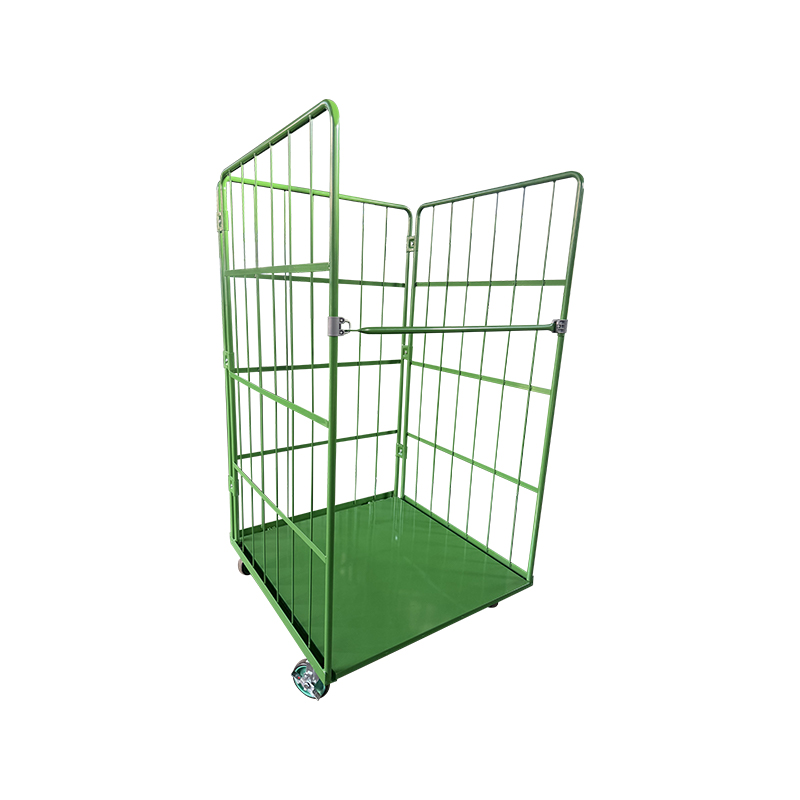
How you stage received materials determines inspection speed. Mesh‑wall roll cage trolleys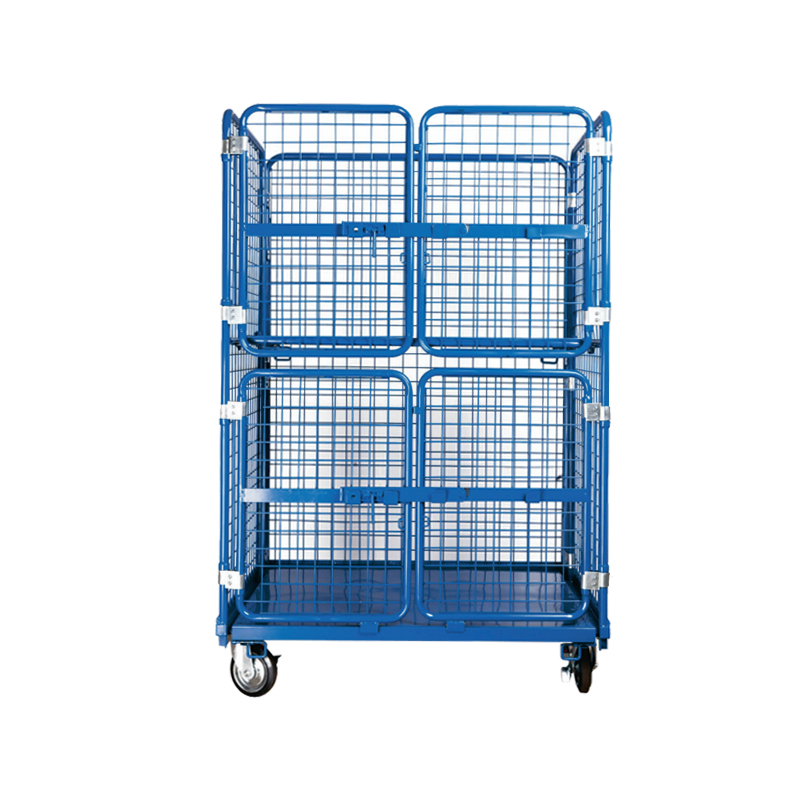 Roll Cage Trolley With Mesh Wall Manufacturers, FactoryAs China roll cage trolley with mesh wall manufacturers and factory, Shanghai Betis Logistics Equipment Co., Ltd. focus on manufacturing ...View Product → let teams sort inbound cartons by SKU right at the dock, pushing verified goods quickly into put‑away routes. For heavy‑duty palletised receipts, choosing the right stacking rack for receiving areas prevents floor stacking, which slows counting and damages packaging. Well‑designed receiving bays cut processing time by up to 40 percent, directly feeding into slotting accuracy downstream.
Where you place an item inside the warehouse controls 60 percent of a picker’s travel time. Slotting is the strategic assignment of SKUs to locations based on velocity, unit type, and dimensional footprint. High‑velocity consumables belong at waist height in forward pick zones; bulky, slow‑moving raw materials can occupy upper reserve bays. Warehouse slotting optimization reduces travel by clustering items that frequently ship together.
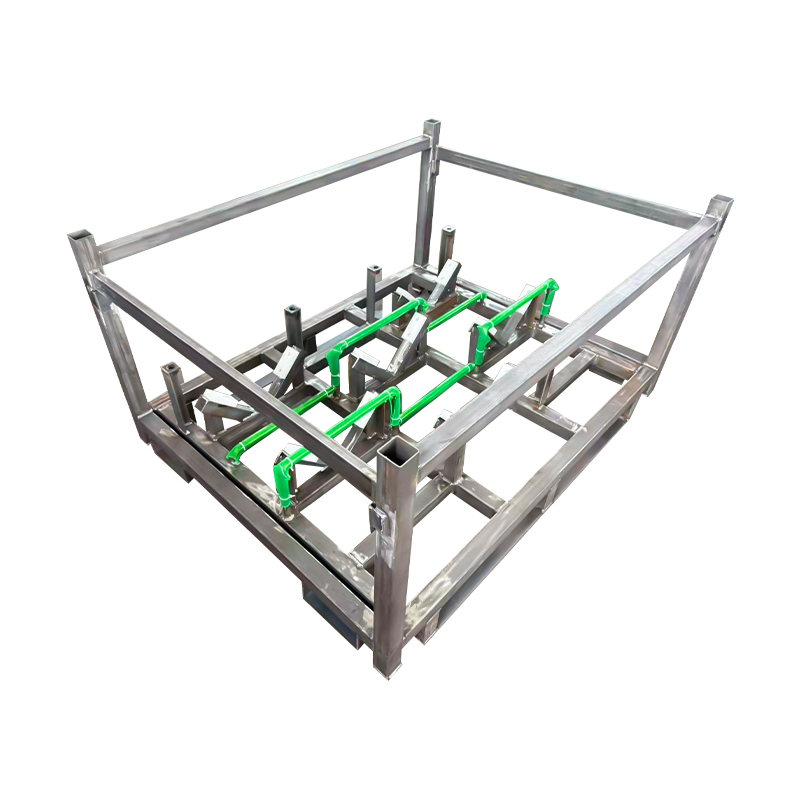
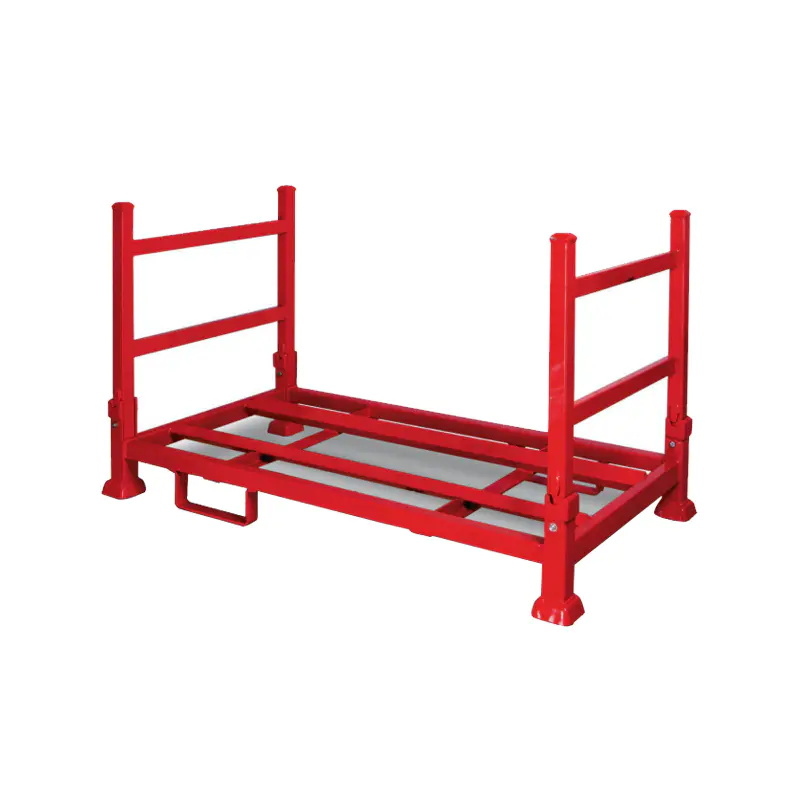
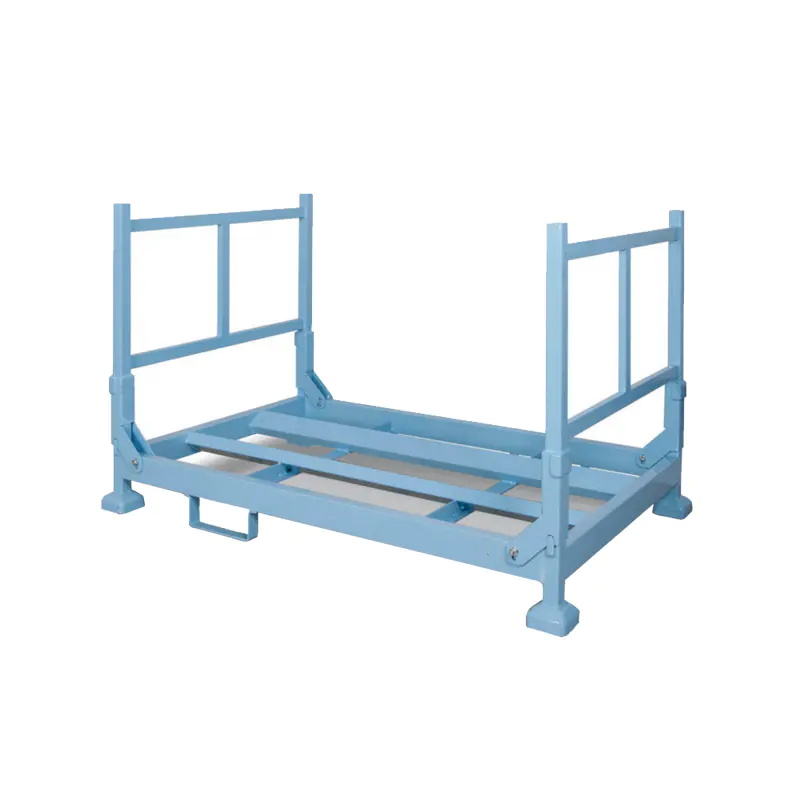
Vertical space remains the most under‑utilised asset. Traditional fixed shelving locks floor acreage; metal stacking racks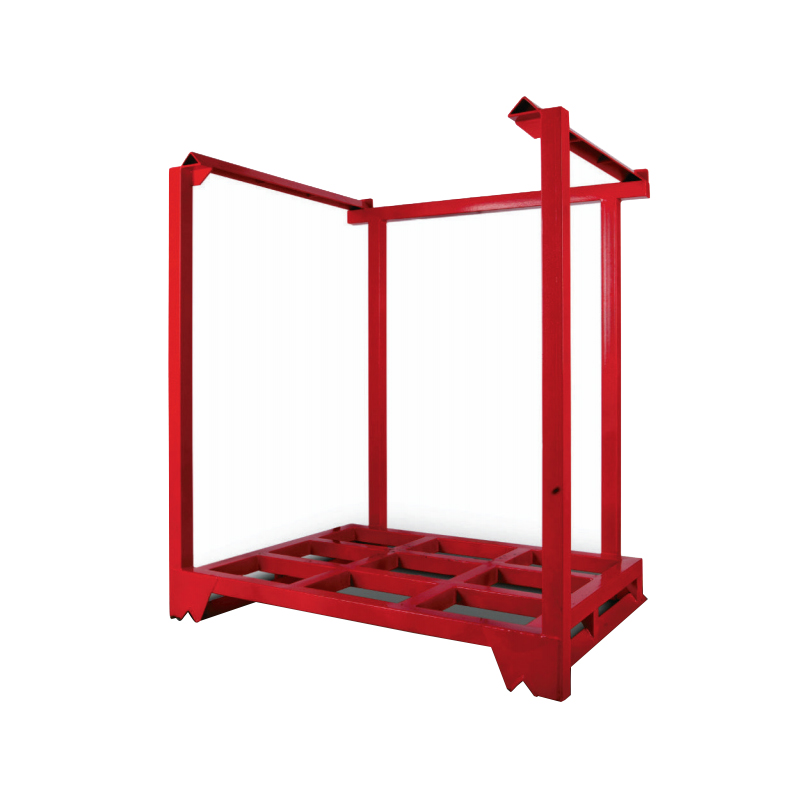 Wholesale Metal Stacking Racks Suppliers, Manufacturers - Shanghai Betis LogistiShanghai Betis Logistics Equipment Co., Ltd. is China wholesale Metal Stacking Racks suppliers and OEM/ODM manufacturers, details: The bo...View Product → offer a flexible alternative, turning vacant overhead air into usable cubic footage. Unlike pallet racking, stacking racks can be disassembled and relocated without tools when product profiles change. The result is a storage density gain of 30 to 50 percent in the same building envelope, with the added benefit of clear visual access for cycle counting.
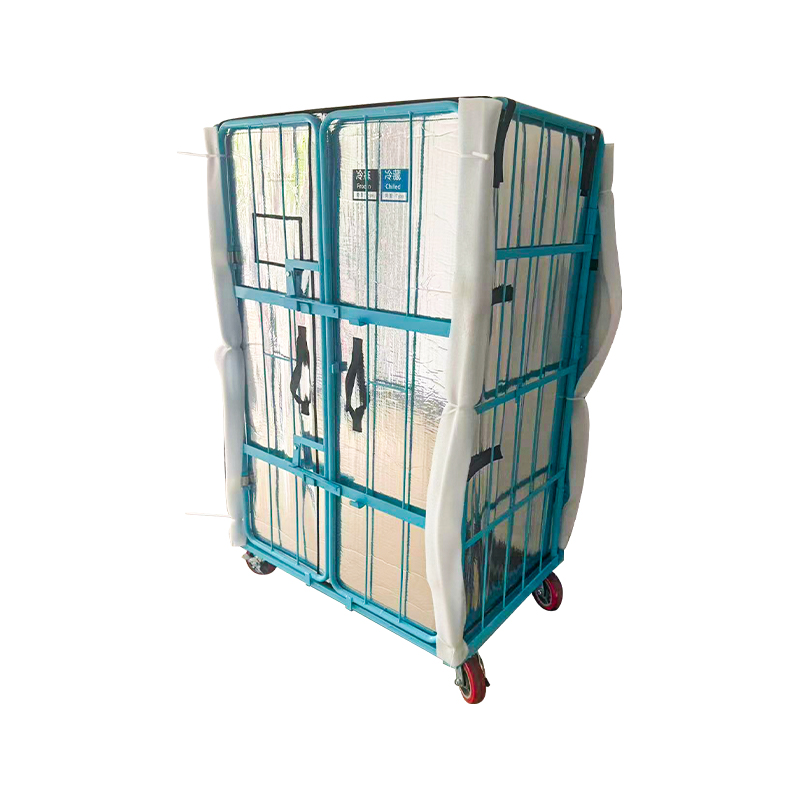
Moving materials from storage to point‑of‑use is where hidden labour costs accumulate. Every manual lift or backtracked trip erodes throughput. The goal is to design a handling flow that respects gravity and minimises intersection points between people, forklifts, and pick carts. Batch picking—collecting multiple orders in one pass—works well when supported by roll cage trolleys that can hold separated order compartments.
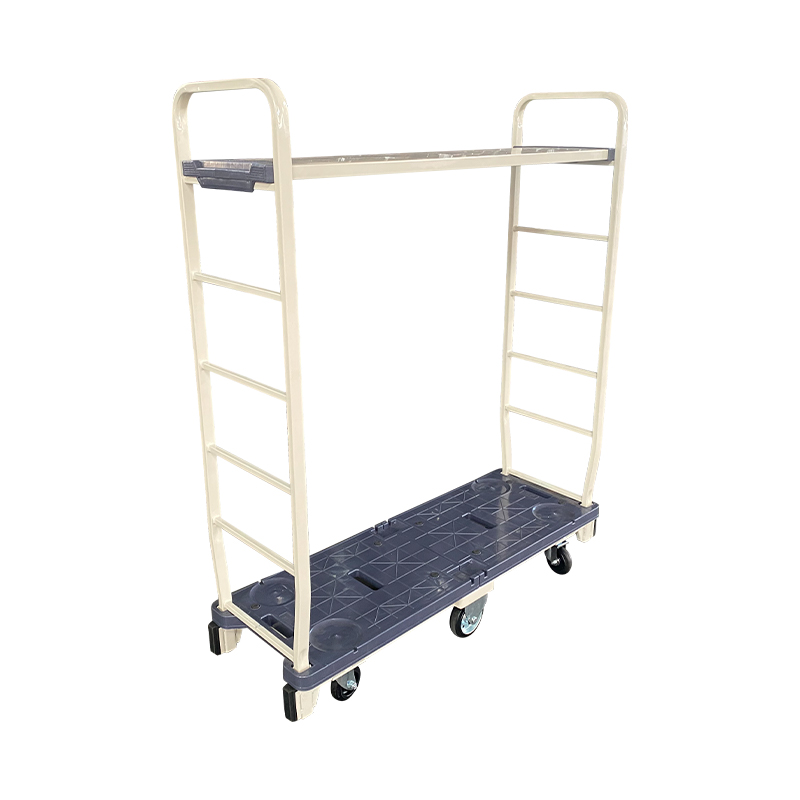
The choice of handling equipment must match load weight and path width. Selecting the right roll cage trolley for the job ensures narrow‑aisle manoeuvrability without sacrificing payload. For heavy or oversized items that won’t fit a cage, a foldable platform truck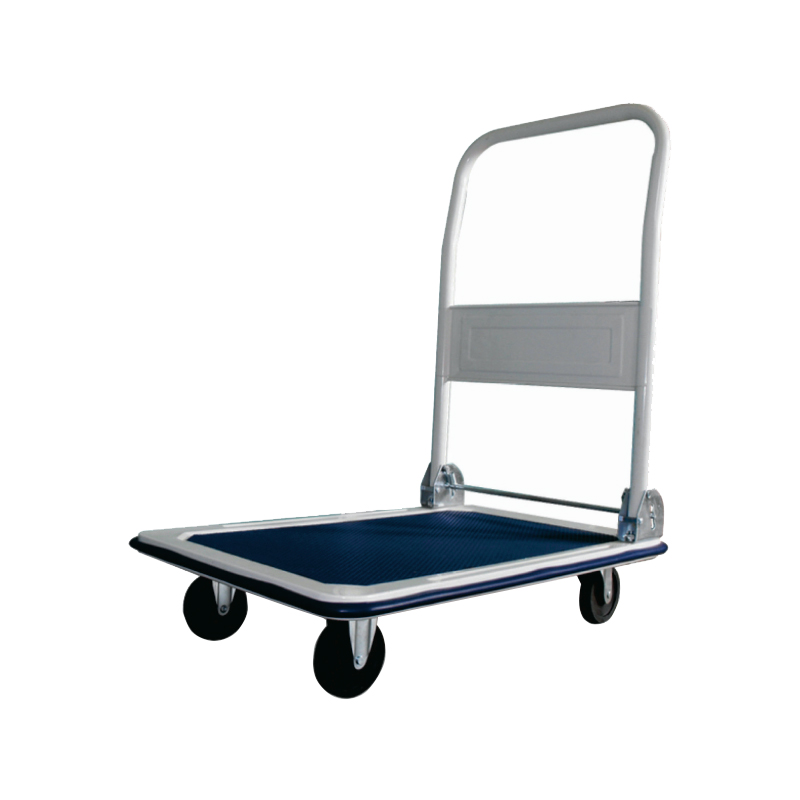 Custom Foldable Platform Trolley Manufacturers, FactoryAs China foldable platform trolley manufacturers and foldable platform trolley factory, Shanghai Betis Logistics Equipment Co., Ltd. prov...View Product → handles bulky loads while folding flat against a wall when not in use—reclaiming aisle space instantly. Standardised handling units reduce transfer touches and keep material flow predictable.
Perpetual inventory accuracy cannot survive on an annual wall‑to‑wall count alone. Cycle counting—frequently auditing a rotating subset of SKUs—catches misplacements, damage, or data errors before they escalate into a $10,000 write‑off. ABC classification guides the counting frequency: count A‑items weekly, B‑items monthly, and C‑items quarterly.
Container standardisation simplifies the physical count. When every container holds a consistent, known volume, an inspector can verify quantity in seconds rather than breaking down pallets. Using stackable wire mesh containers with uniform internal dimensions turns visual estimation into a multiple‑of‑container arithmetic exercise, slashing the time required for a full audit by half. A stackable wire mesh container system also supports FIFO rotation because each unit can be labelled with a single batch code, preventing older material from being buried.
Material management works when each step—plan, receive, store, move, count—is supported by the right physical infrastructure. A warehouse that forecasts well but stores goods on cluttered floor bays loses any accuracy gain. A team that invests in mobile handling equipment but ignores cycle counting eventually ships the wrong part. Start with the area where a process audit shows the most waste, treat it with targeted equipment, and gradually stitch the system together. Evaluate your current layout against these five steps; the smallest equipment change often unlocks the largest throughput improvement.
Copyright © 2024 Shanghai Betis Logistics Equipment Co., Ltd. All Rights Reserved.
 Custom Metal Storage Cages Manufacturers

 English
 中文简体
中文简体 日本語
日本語