Content
Choosing the right storage container is one of the most impactful decisions you can make for your warehouse operations. Pick the wrong type, and you're looking at wasted space, damaged goods, slower picking speeds, or unnecessary spend. Two of the most widely used industrial containers are the wire mesh container and the solid steel container — and while they look similar at first glance, they serve very different purposes.
This guide breaks down the key differences across every dimension that matters to warehouse managers and procurement teams: visibility, ventilation, load capacity, hygiene, cost, and use-case fit. By the end, you'll know exactly which option makes sense for your facility.
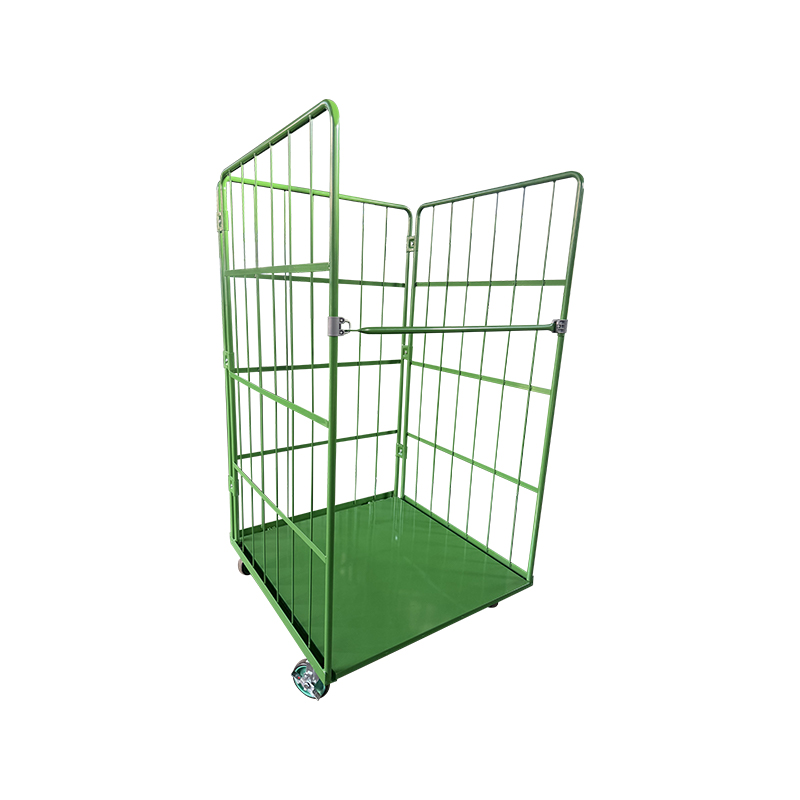
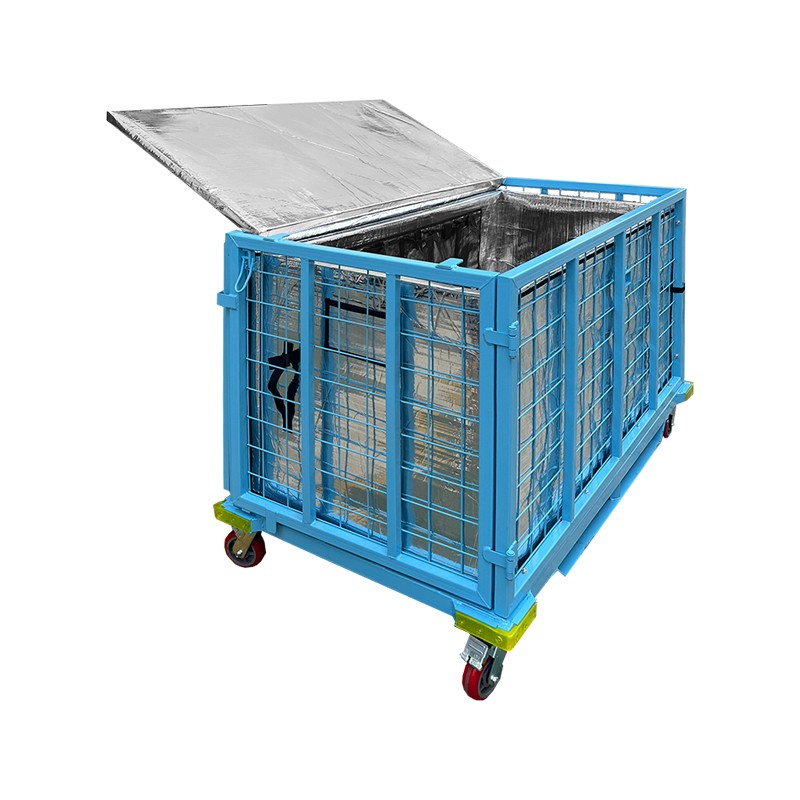
A wire mesh container (also called a mesh cage or grid container) is a storage unit constructed from welded steel wire grids on all sides. The open grid structure allows full visual inspection of contents without opening the container, and promotes air and light circulation throughout the unit.
Wire mesh containers are commonly available in fixed or foldable designs. Foldable versions collapse flat when empty, which can reduce return logistics and storage footprint by up to 75%. They are widely used in retail distribution, e-commerce fulfillment, automotive parts storage, and general warehouse picking.
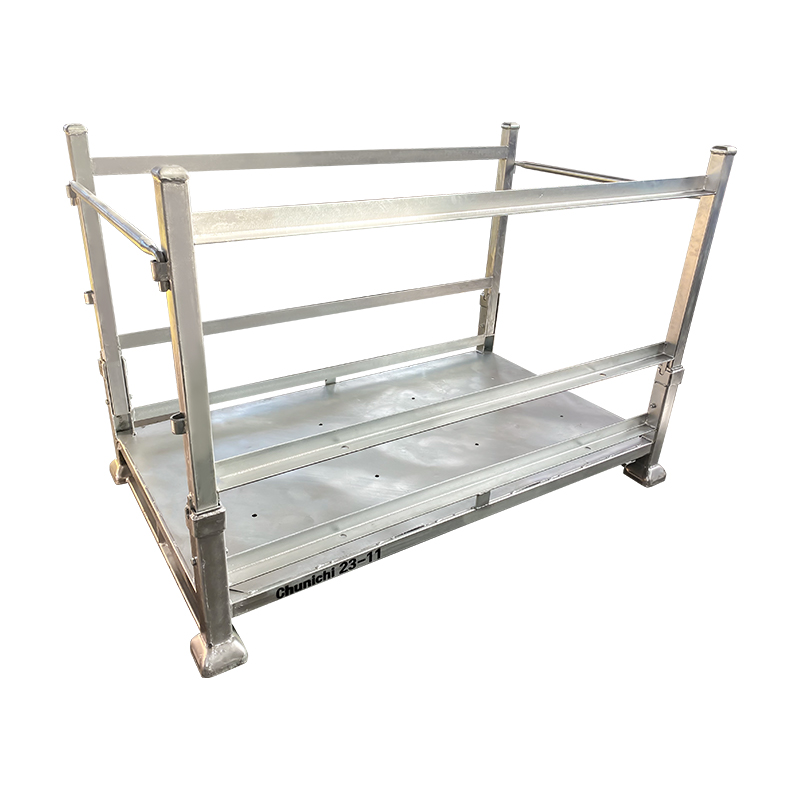
A solid steel container (also referred to as a steel stillage or enclosed metal box) uses solid sheet metal panels on the sides and base. The enclosed structure provides a higher degree of protection against dust, debris, and physical impact — making it the preferred choice when the contents require shielding from the external environment.
Solid containers are commonly used in heavy machining environments, metal stamping operations, outdoor or exposed storage, and any scenario where contents need containment from fine particles or contamination.
The table below summarizes the core differences between the two container types across the dimensions that matter most in a warehouse environment:
| Feature | Wire Mesh Container | Solid Steel Container |
|---|---|---|
| Visibility of Contents | Full visibility without opening | No visibility; must open to check |
| Air Circulation | Excellent airflow | Enclosed; limited airflow |
| Dust & Debris Protection | Low to moderate | High; full enclosure |
| Impact Resistance | Moderate | High; solid panel construction |
| Weight (Unit Weight) | Lighter | Heavier |
| Foldability (Empty Storage) | Most models are foldable | Limited; mostly fixed |
| Unit Cost | Lower | Higher (more material) |
| Stackability | Good with reinforced top frame | Excellent with flat top |
When warehouse staff need to locate items quickly without opening every unit, the open grid structure of a wire mesh container becomes a major time-saver. Visible inventory reduces picking errors and speeds up order fulfillment — a critical advantage in e-commerce and retail distribution centers.
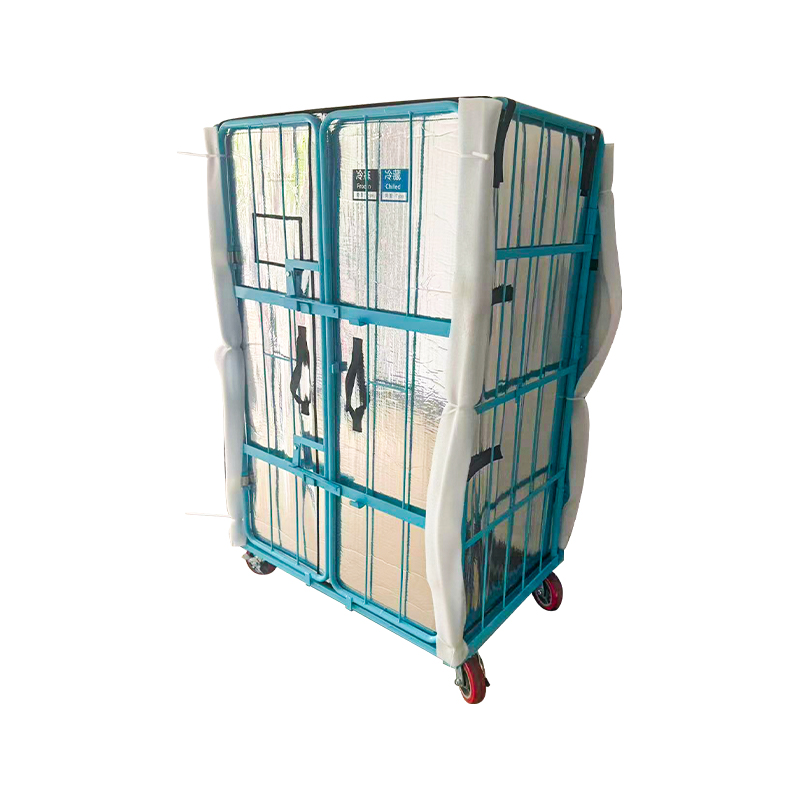
In food and pharmaceutical warehouses, airflow is non-negotiable. Wire mesh containers allow cold air to circulate evenly around products, making them the standard choice for cold chain storage and FIFO rotation systems.
Foldable wire mesh containers collapse flat when not in use. For operations running circular return flows between warehouses and stores, this reduces transport costs significantly compared to shipping large empty solid containers.
Roll cages and mesh containers are the industry standard for retail supply chains. Their light weight, visibility, and mobility allow store staff to roll products directly from delivery trucks onto the shop floor, cutting handling time.
Wire mesh containers offer a lower per-unit cost than solid alternatives, making them ideal when you need to deploy containers across a large facility quickly without overextending your capex budget.
Metal shavings, cutting fluid, and debris are constant in machining shops. Solid steel containers prevent these contaminants from spreading to neighboring goods or work areas, and are easy to clean out by tipping.
When containers are stored in yards, loading docks, or partially exposed environments, solid panels provide superior protection against rain, direct sunlight, and wind-borne debris — extending the service life of stored goods.
Castings, forgings, and stamped metal parts with sharp edges can damage wire mesh walls over time. Solid steel containers handle rough content without bending or breaking, maintaining structural integrity under repeated heavy loads.
When the contents should not be visible — either for theft prevention or confidentiality — solid containers with lockable lids offer a straightforward solution that mesh containers cannot provide.
The flat top surface of solid steel containers distributes vertical loads evenly, making multi-tier stacking more stable when load capacity per unit exceeds one tonne. This is common in automotive sub-assembly and casting storage.
Absolutely — and many well-designed warehouses do. A common approach is to use wire mesh containers in the active picking zone and inbound receiving area for fast identification, while deploying solid steel containers in outdoor staging areas or machining parts storage where contamination control is needed.
The key is to map container type to the specific demands of each zone, rather than applying a one-size-fits-all policy. This approach reduces total container spend while improving operational performance across the facility.
Standard catalog containers don't always match non-standard load dimensions, pallet footprints, or process requirements. Shanghai Betis Logistics Equipment Co., Ltd. has been manufacturing custom metal logistics containers since 2014, and specializes in tailoring container dimensions, panel configurations, gate types, and surface treatments to exact customer specifications.
Whether you need a mesh container with a reinforced base frame for automotive parts, or a solid stillage with a hinged drop-side gate for ergonomic loading, the engineering and production team at Betis can develop prototypes and scale to full production volume. Learn more about our full product range or get in touch to discuss your specific requirements.
Use this simple decision framework:
If you're unsure which configuration fits your operation, our team is happy to review your requirements and recommend the right solution — at no obligation. Contact Betis today to request a free consultation or product quote.
Copyright © 2024 Shanghai Betis Logistics Equipment Co., Ltd. All Rights Reserved.
 Custom Metal Storage Cages Manufacturers

 English
 中文简体
中文简体 日本語
日本語