Content
Most warehouse managers know their operation could run better. What they often don't realize is how much their current storage equipment — not just their processes — is quietly driving up costs every single day. Inefficient storage solutions create a chain reaction: wasted floor space leads to cramped workflows, cramped workflows slow down labor, and slow labor compounds into missed shipments and dissatisfied customers.
The good news is that these problems follow recognizable patterns. Here are five concrete signs that your current storage solution is costing you more than it should — and what a better-equipped warehouse actually looks like.
One of the most common and expensive mistakes in warehouse storage is treating the facility as a two-dimensional space. If your floor is packed with goods while the upper half of your warehouse sits empty, you are effectively paying for cubic volume you are not using. Industrial warehouse space averages $8 or more per square foot annually — every square foot of floor covered by low-stacked or disorganized goods represents a direct cost that proper vertical storage could eliminate.
The problem is rarely a lack of ceiling height. More often, it comes down to storage equipment that was not designed for vertical stacking. Flat-bottom containers, mismatched crates, and single-level racks all prevent safe, stable multi-tier storage. When units cannot be reliably stacked, staff default to spreading inventory across the floor, which exhausts usable space rapidly.
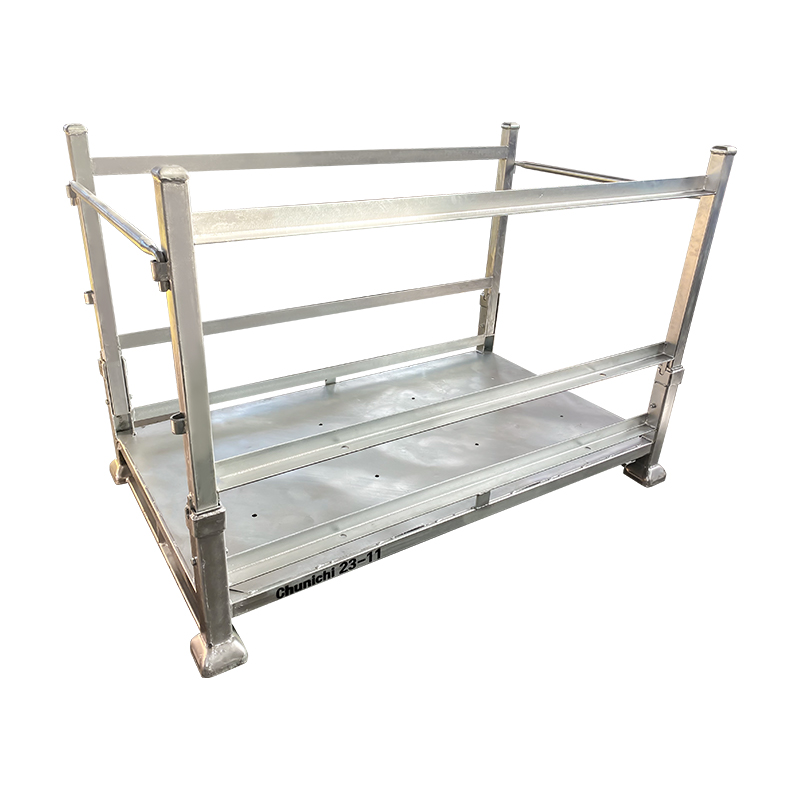
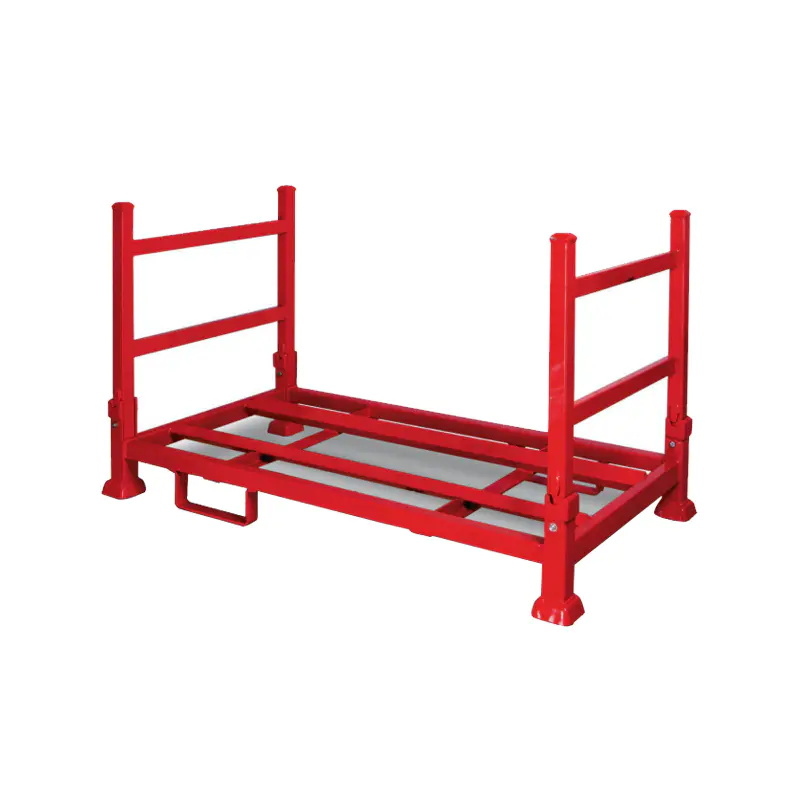
The solution is equipment engineered for vertical integration. Stacking racks are specifically designed to layer loads safely and consistently, transforming underused air space into productive storage capacity. Moving from floor-level storage to a structured vertical system can dramatically reduce the footprint required for the same inventory volume — freeing space for operations, throughput, or growth without expanding the facility.
Labor is typically the largest single cost in warehouse operations, accounting for roughly 50 to 65 percent of total warehouse operating expenses. When storage equipment forces workers to walk inefficient routes — doubling back across the floor, searching through poorly contained loose stock, or navigating around oversized fixed fixtures — those extra minutes accumulate into hours lost every shift.
A telling sign of this problem is a gradual increase in labor hours without a corresponding increase in order volume. If your cost per pick is trending upward and throughput has remained flat, inefficient equipment layout is almost certainly a contributing factor. Studies on warehouse operations consistently show that travel time between picks represents the single largest drain on picker productivity.
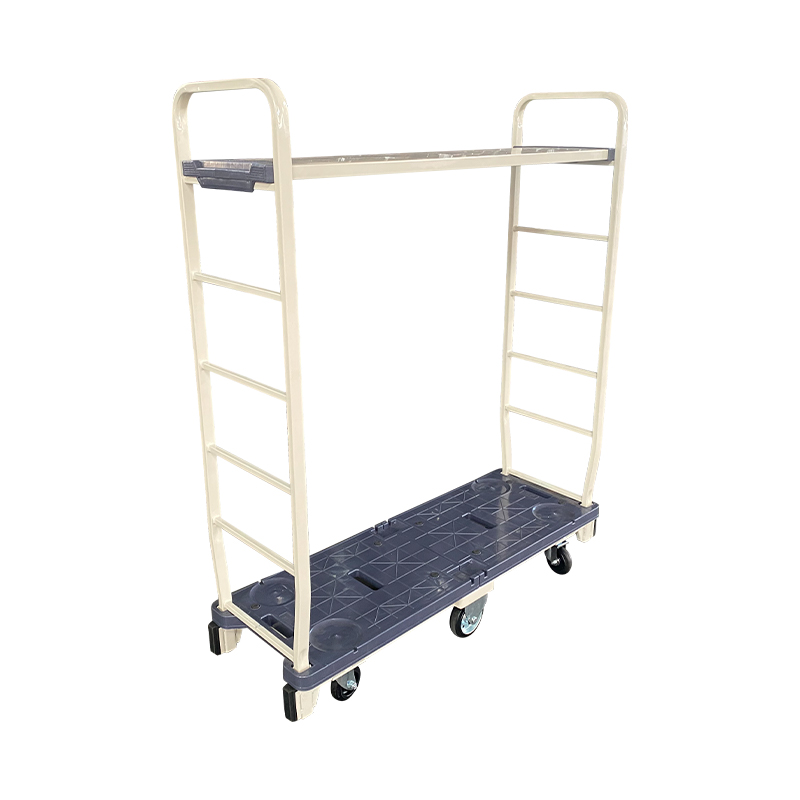
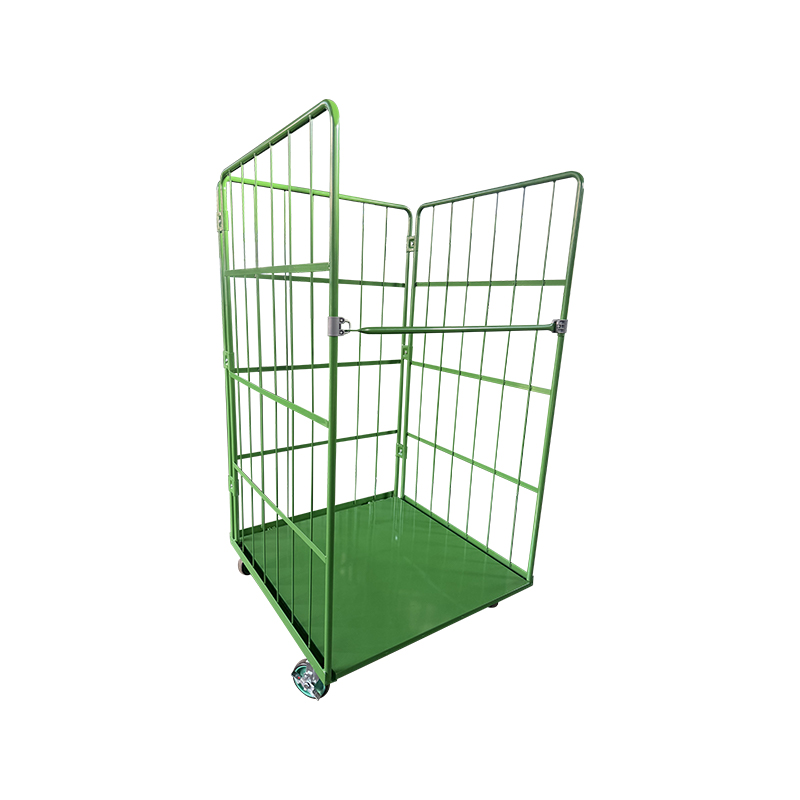
Mobile storage equipment addresses this directly. A roll cage trolley allows workers to consolidate picking into a single moving unit, eliminating repeated trips back to a fixed staging area. Standardized, consistently sized containers also make slotting and SKU placement more predictable, so workers spend less time searching and more time moving product. The cumulative labor savings from reducing unnecessary travel can justify equipment upgrades within a single quarter.
Inventory damage and loss are rarely treated as a storage equipment problem — they are more often attributed to handling errors or staff training gaps. In many cases, however, the root cause is equipment that does not adequately protect goods during storage and transit. Inventory shrinkage and damage costs warehouse operators an estimated 1 to 3 percent of annual inventory value across typical operations — a figure that compounds significantly as stock volumes grow.
Open-top, unstructured storage creates multiple failure points. Items shift during transport, stack unevenly, fall from height, or become mixed with adjacent stock — resulting in damage, mislabeling, and write-offs. In industries where goods are fragile, high-value, or require traceability (such as automotive parts, electronics, or pharmaceuticals), poor containment directly translates to financial loss and compliance risk.
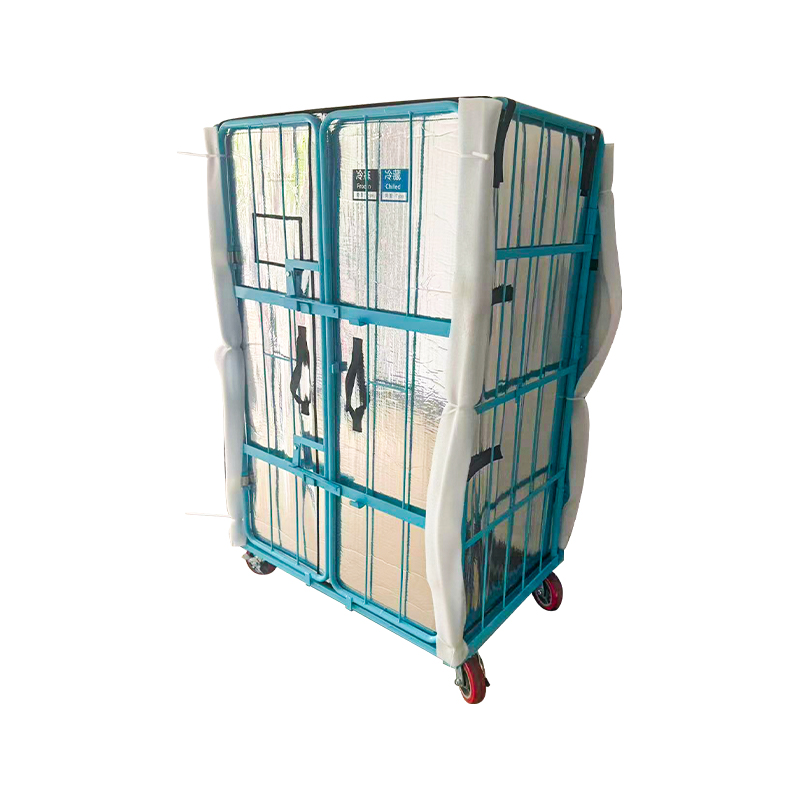
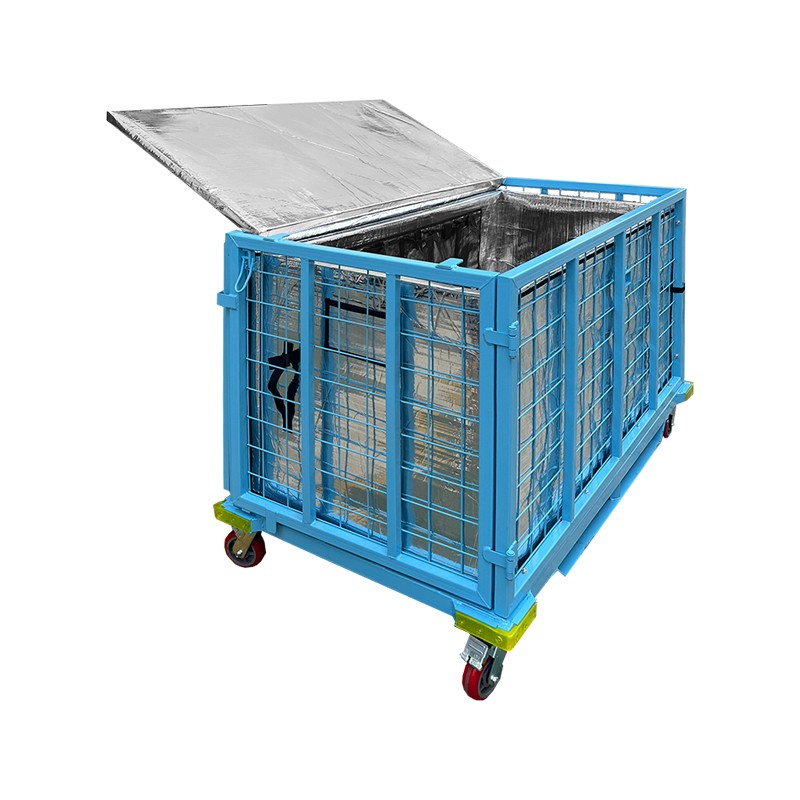
Enclosed, structurally rigid containers solve this problem at the source. A wire mesh container provides full lateral support and visible inventory access without sacrificing structural protection. Goods remain contained and stable during forklift transport, stacking, and repositioning. Standardized container dimensions also reduce the risk of improper stacking combinations that cause collapse. When the right equipment is in place, damage rates drop — and so do the associated replacement, inspection, and documentation costs.
If your operation has normalized the use of external storage facilities to handle overflow inventory, that is a symptom worth examining carefully. Off-site storage is sometimes necessary during genuine seasonal peaks, but when it becomes a permanent budget line, it usually signals one of two things: either inventory management needs attention, or your current storage equipment is consuming far more space than the inventory actually requires.
The second cause is more common than it appears. Rigid, non-collapsible containers occupy the same footprint whether full or empty. In a busy operation with variable stock levels, empty containers waiting to be refilled take up floor space that could hold active inventory — pushing the overflow threshold lower and triggering external rental costs sooner.
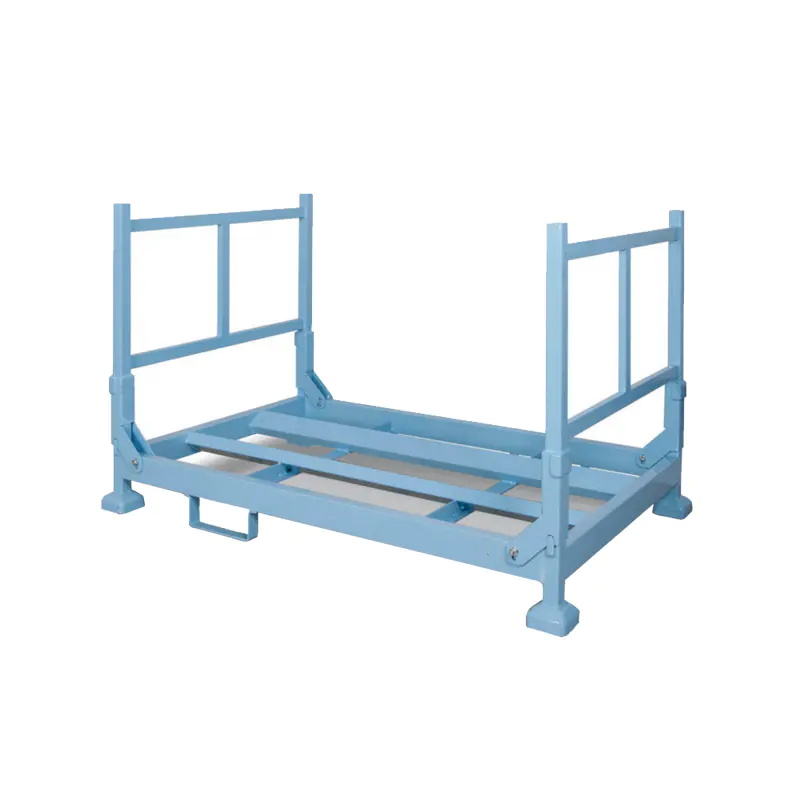
Foldable equipment eliminates this problem entirely. A foldable steel stillage collapses to a fraction of its deployed volume when empty, allowing warehouses to store dozens of units in the footprint that rigid alternatives would occupy when vacant. This means the same facility can handle higher active stock levels, absorb seasonal surges, and reduce or eliminate the need for external overflow space. The rental savings alone frequently offset the cost of equipment upgrades within the first year.
Warehouses rarely store the same product mix year after year. SKU counts change, supplier packaging evolves, seasonal lines rotate in and out, and customer order profiles shift. Storage equipment that was sized and configured for last year's inventory will often create friction — and cost — when applied to today's operational reality.
The warning signs are easy to spot: containers that are consistently over-packed because they are too small for current stock units; oversized fixtures that leave large gaps and waste vertical space within each unit; equipment that cannot be reconfigured without significant downtime or capital expenditure. Each of these represents a mismatch between your storage solution and your actual inventory, and each mismatch translates into suboptimal space use, slower operations, and higher per-unit handling costs.
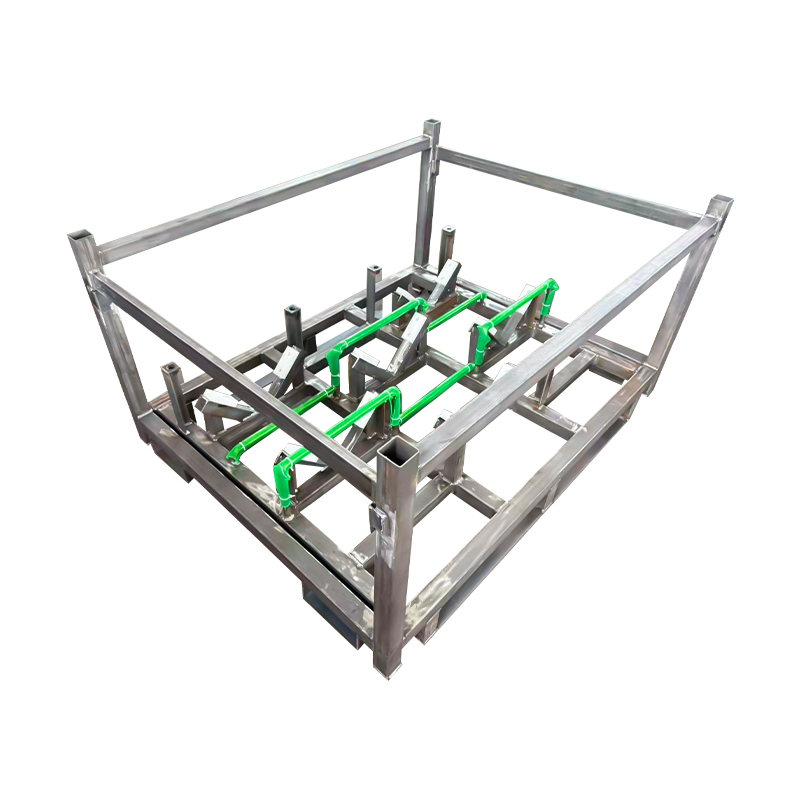
Modular and customizable storage equipment resolves this by design. Rather than locking an operation into fixed dimensions, modular metal logistics containers can be specified and reconfigured to match current inventory requirements — including custom dimensions, load ratings, divider configurations, and stacking specifications. This adaptability means equipment grows with the operation rather than becoming an obstacle to it.
| Factor | Fixed / Rigid Equipment | Modular / Foldable Equipment |
|---|---|---|
| Empty footprint | Same as deployed | Reduced by 60–80% when folded |
| Adaptability to new SKUs | Low — fixed dimensions | High — configurable specifications |
| Vertical stacking | Often limited or unsafe | Engineered for stable multi-tier stacking |
| Inventory visibility | Poor (solid walls) | High (mesh / open frame options) |
| Transit suitability | Variable | Designed for forklift and trolley integration |
| Long-term cost trajectory | Rising (space + workarounds) | Declining (consolidation + efficiency) |
Each of the five signs above points to the same underlying issue: storage equipment that was not designed — or is no longer suited — for the demands of the operation. The costs they generate are real, measurable, and ongoing. But they are also fixable.
The right metal logistics equipment addresses these problems at the structural level. Stackable units reclaim vertical space. Mobile containers reduce travel time. Enclosed mesh designs protect inventory integrity. Foldable formats eliminate empty-container footprint. Modular specifications ensure the solution matches the operation — now and as it evolves.
These are not abstract improvements. Each directly reduces a cost that is currently embedded in your daily operations: rent, labor, damage write-offs, external storage fees, and equipment workarounds that slow down every shift.
Identifying which signs apply to your operation is the first step. The second is specifying the right equipment to resolve them. If you recognize one or more of these patterns in your warehouse, we are available to discuss your specific requirements and recommend a configuration that addresses them directly — contact us to get started.
Copyright © 2024 Shanghai Betis Logistics Equipment Co., Ltd. All Rights Reserved.
 Custom Metal Storage Cages Manufacturers

 English
 中文简体
中文简体 日本語
日本語