Content
When a distribution center hits 85% occupancy, it’s effectively full. Receiving docks slow down, picking paths jam, and the risk of accidents climbs. Yet most warehouses you walk into today operate at 60-70% actual cube utilization—leaving millions of dollars in wasted rent, labor, and missed throughput on the table. The pressure isn’t letting up. Ecommerce order profiles keep fragmenting, SKU counts rise, and industrial lease rates in major markets have climbed over 8% annually for three straight years.
More space isn’t always the answer. Expanding or relocating brings capital expenses, permitting delays, and operational disruption. The smarter path starts inside the four walls you already have. Effective warehouse space optimization can unlock 30-50% more usable capacity without a single square foot of new construction. It’s a mix of vertical thinking, smarter container selection, and data-driven slotting—topics we’ll break down without fluff.
This article won’t rehash generic tips about cleaning aisles. Instead, you’ll get hard numbers, hardware comparison tables, cold-storage specifics, and a real automotive-parts case study. By the end, you’ll know exactly which physical changes and process tweaks deliver the fastest, highest-ROI capacity gains.
You can’t improve what you don’t measure. The standard formula is total cubic feet of stored goods divided by total available cubic feet. But that alone misleads. Many operators include only rack bays, ignoring aisle space, dock staging, and pick-face gaps. A 68% “rack utilization” often drops below 50% when you account for the full warehouse envelope.
A more honest metric adds two adjustments. First, calculate usable cube: total building volume minus offices, maintenance areas, and fixed obstructions. Second, factor in aisle width and travel paths as essential space that can’t hold product but directly impacts productivity. The adjusted formula becomes:
Where Aisle Efficiency Factor equals storage footprint divided by total warehouse footprint. A tight layout with narrow aisles (VNA) might score 0.55, whereas a wide-aisle setup could drop to 0.35. The table below shows real-world examples for three common storage modes.
| Storage Method | Raw Rack Cube Utilization | Adjusted Full-Building Cube Utilization |
|---|---|---|
| Floor-stacked pallets (single deep) | 45% | 22% |
| Selective pallet rack, 12-ft aisles | 75% | 38% |
| Double-deep stacking racks, VNA aisles | 85% | 52% |
Those gaps are why a shift to high-density hardware can double real usable space without touching the lease. Run your own numbers—you’ll likely find the biggest leaks aren’t where you expect.
If your ceiling height is 30 feet and your top beam sits at 16 feet, you’re paying for air. Vertical storage is the lowest-cost capacity lever because it uses existing structural clear height. The keys are matching rack height to forklift mast reach, verifying slab load ratings, and selecting containers that can safely stack high.
Here’s a step-by-step sequence that avoids common structural and safety missteps:
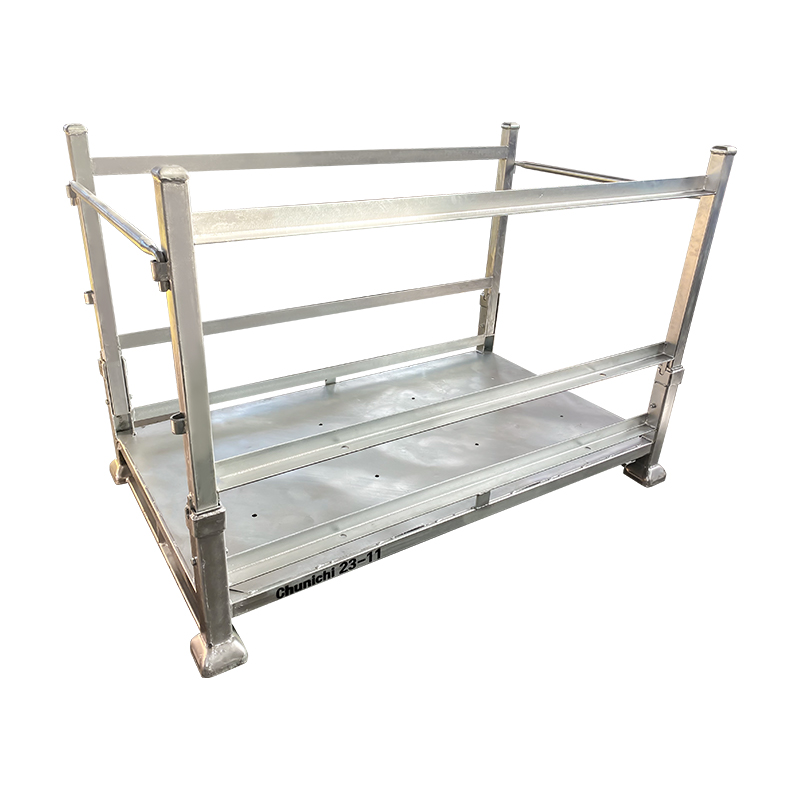
A distributor of industrial fittings we worked with raised storage from 3 to 6 levels using foldable steel stillages. That single change increased pallet positions in the same 4,200-ft² footprint from 580 to 1,045, a 80% boost. And because the stillages fold flat, the empty return logistics shrank proportionally—something fixed cages can’t do.
Not all storage hardware is created equal. A welded wire mesh container and a heavy-duty stacking rack might both hold palletized goods, but their footprint, fold-down ratio, and cost-per-cubic-foot difference can make one the correct choice for your SKU profile and the other a space-eater. The table below compares four common types across the metrics that actually matter for space planning.
| Hardware Type | Storage Density (ft³ per footprint) | Stackable Levels (typical) | Folded Volume Reduction | Approx. Unit Cost (USD) | Best For |
|---|---|---|---|---|---|
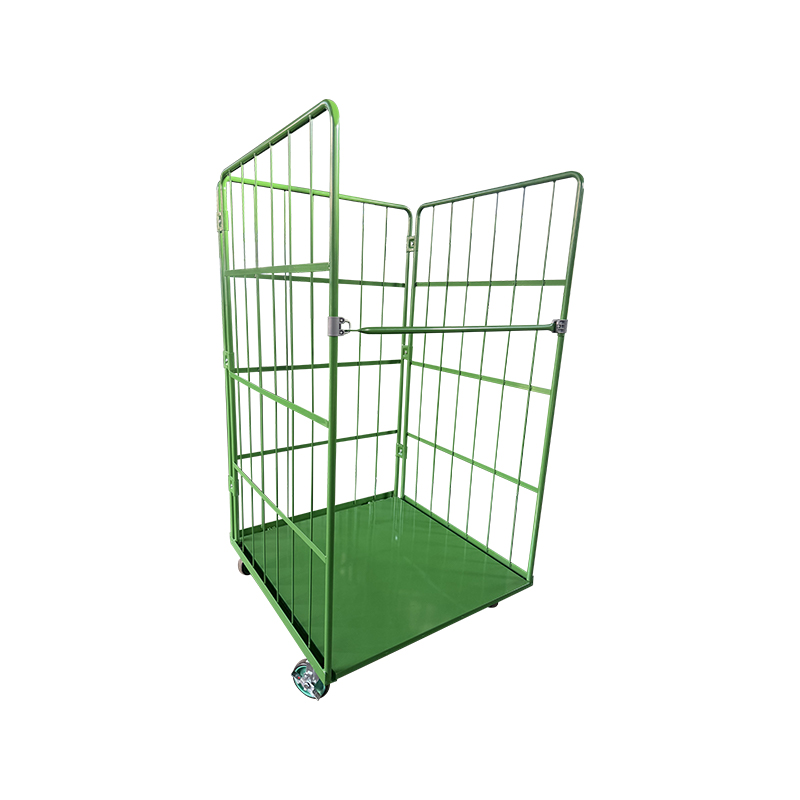
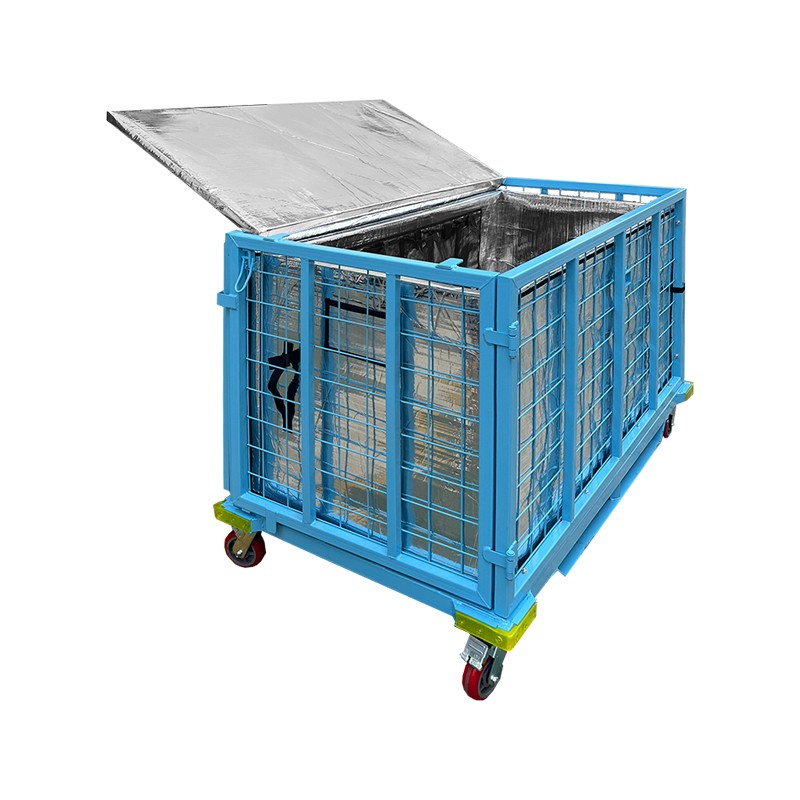
| Wire mesh container (collapsible) | 72–96 ft³ per unit | 3–4 static, 4–5 with rack | Up to 75% | $280–$550 | Loose parts, split-case picking, returnable loops |
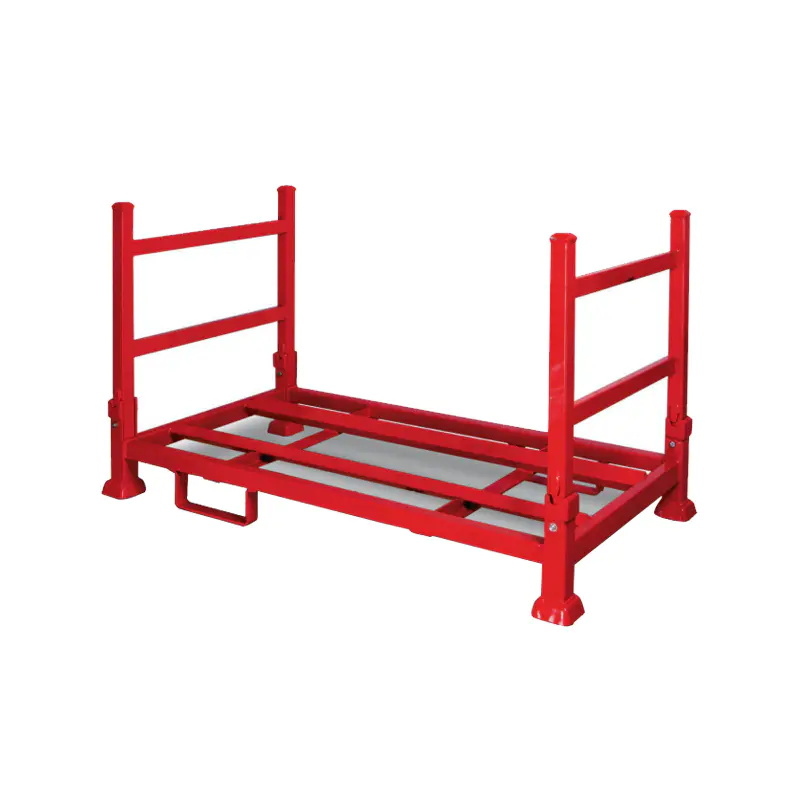
| Stacking rack (post-and-deck) | 80–110 ft³ per bay | 5–6 with frame | 30–50% if knock-down | $150–$300 per bay | Palletized bulk, high-turn inventory, VNA layouts |
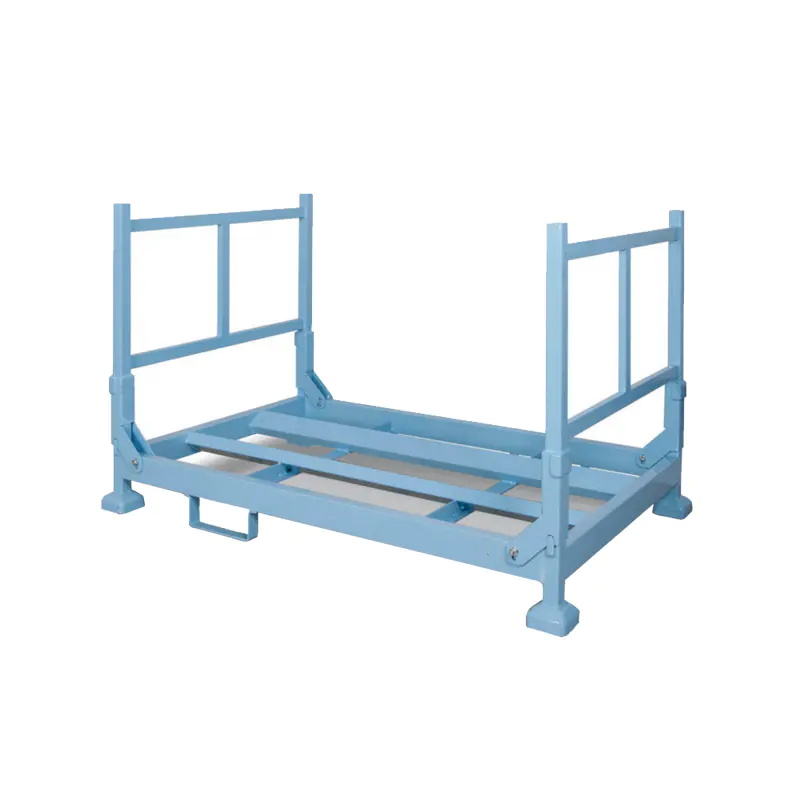
| Foldable steel stillage | 60–85 ft³ per unit | 4–5 | 70–75% | $220–$480 | Irregular heavy parts, automotive, engine stands |
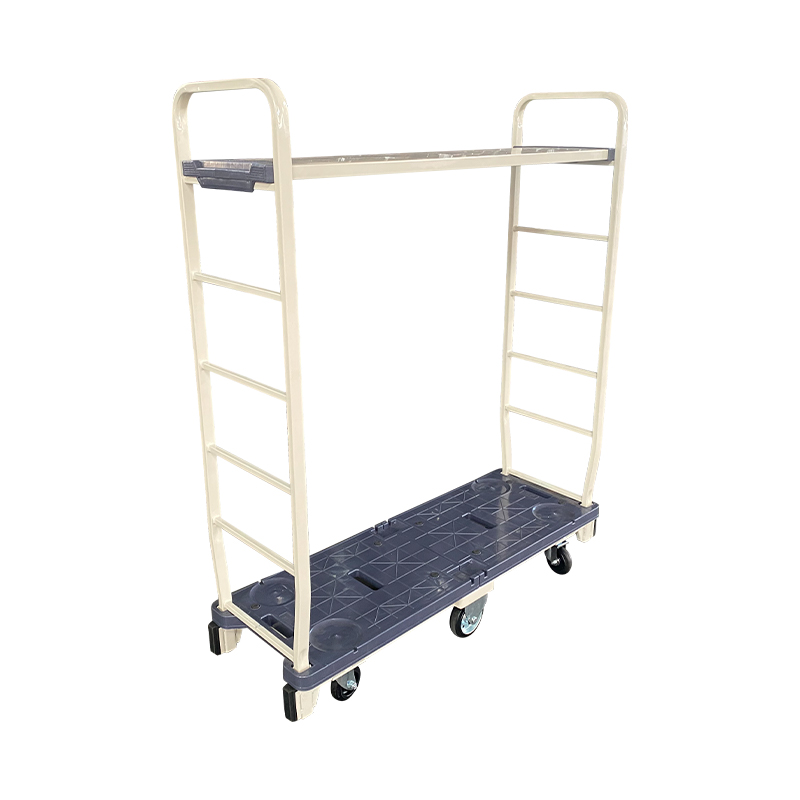
| Euro-style roll cage trolley | 50–70 ft³ per unit | 2–3 (nesting optional) | 50% nestable | $180–$350 | Order picking, retail distribution, mixed SKUs |
The standout number is the folded volume reduction. A fleet of 200 wire mesh containers that fold to 25% of their deployed size can turn six return trailers into two. That’s an annual freight saving of $18,000–$25,000 for a mid-sized operation, and it frees yard space equivalent to four full truck parking spots. When you evaluate hardware, treat the full-cycle footprint—loaded, empty, and in transit—as part of the space equation. Too many comparisons stop at static warehouse floor area and miss the downstream savings.
Even the best rack layout wastes space if fast-movers sit in the back corner and empty slots pepper the pick face. Dynamic slotting uses demand velocity, weight, and dimension data to assign each SKU a location that minimizes travel distance while keeping cube fill high. Combine it with ABC classification, and you get a system that self-corrects as seasonality shifts.
Operationally, ABC analysis cuts straight to the pain. Items in the A category—typically 20% of SKUs generating 80% of picks—should occupy golden zone locations: waist-to-shoulder height, as close as possible to shipping. B items fill mid-zone racking, and C items go to the upper levels or far aisles. In one 3PL facility, moving A SKUs forward reduced average picker travel from 1.2 miles to 0.7 miles per shift, cutting order-to-ship time by 28%. That same reorganization freed two aisles that had been clogged with slow-movers, netting an extra 15% floor capacity.
Dynamic slotting takes this further. A WMS or standalone slotting engine recalculates assignments weekly based on recent order history. It can also factor in ergonomics, cubing constraints, and family grouping. The hardware implications matter too: if you rely on uniform pallet rack but mix small eaches and bulky palletized items, the system may recommend swap-outs to wire mesh containers with dividers for eaches, or tall stacking racks for bulk. The software becomes the brain; the right containers become the muscle that executes the plan without wasting air.
Freezer and cooler space costs 3–5 times more per square foot than ambient. Every inch of ice buildup, every poorly insulated container, and every gap around a door bleeds energy and eats into cube that could hold revenue-generating inventory. Standard pallet rack rules don’t fully apply when temperatures hover at -20°F.
Five constraints demand a different optimization playbook:
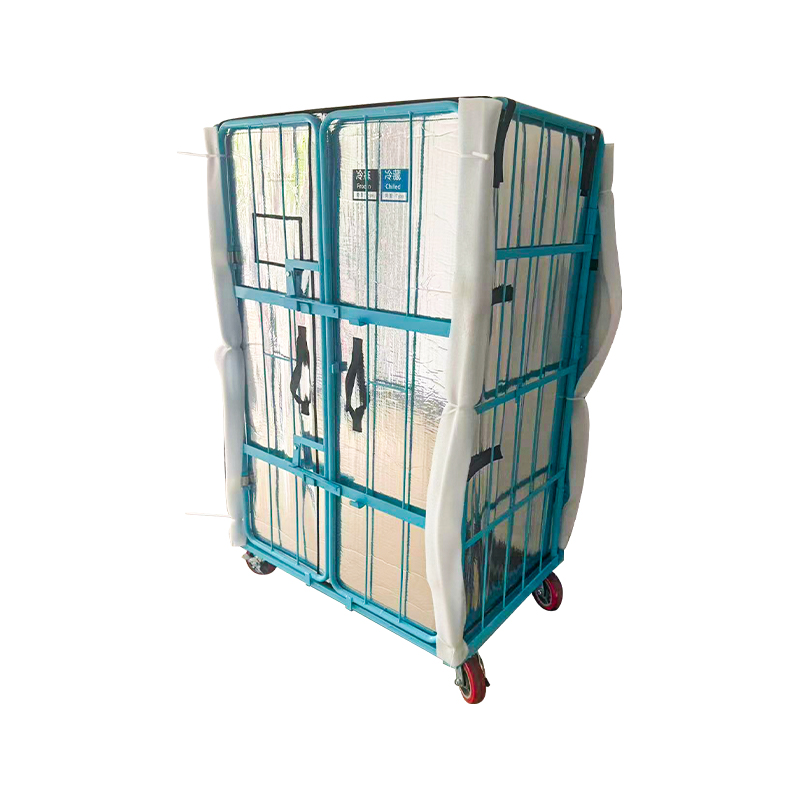
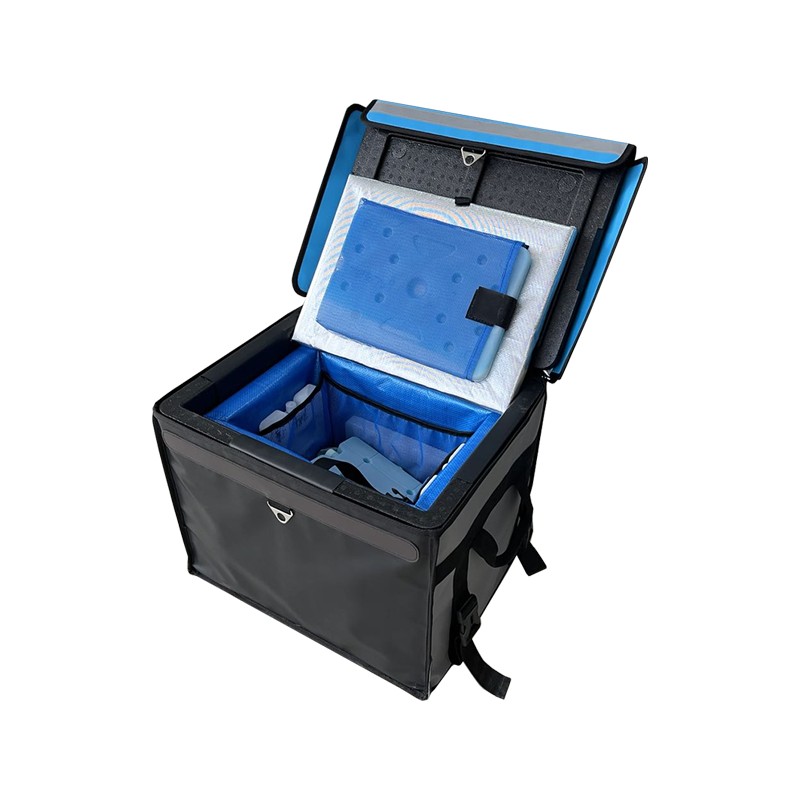
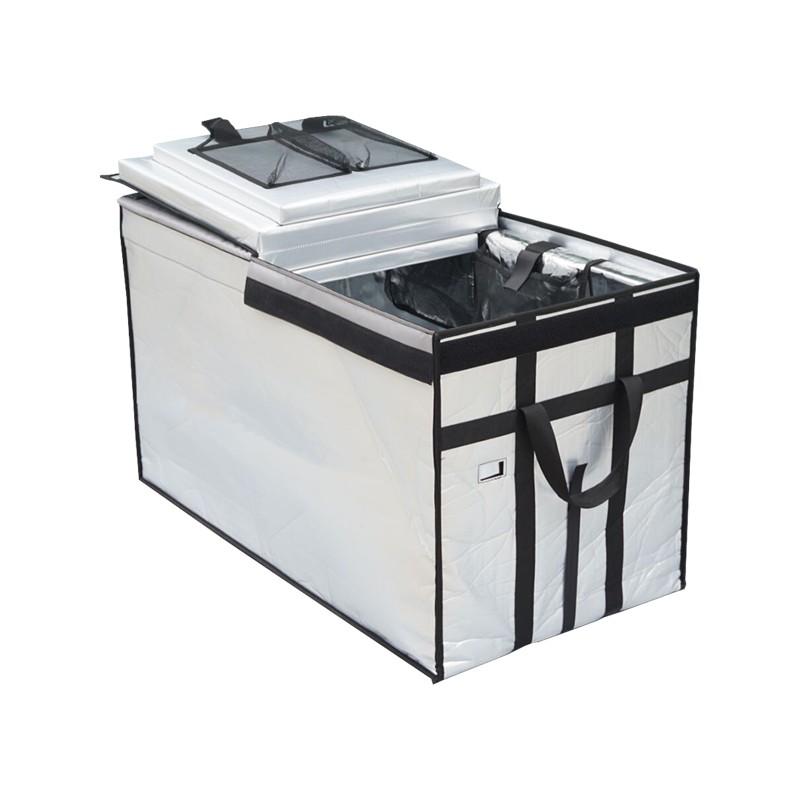
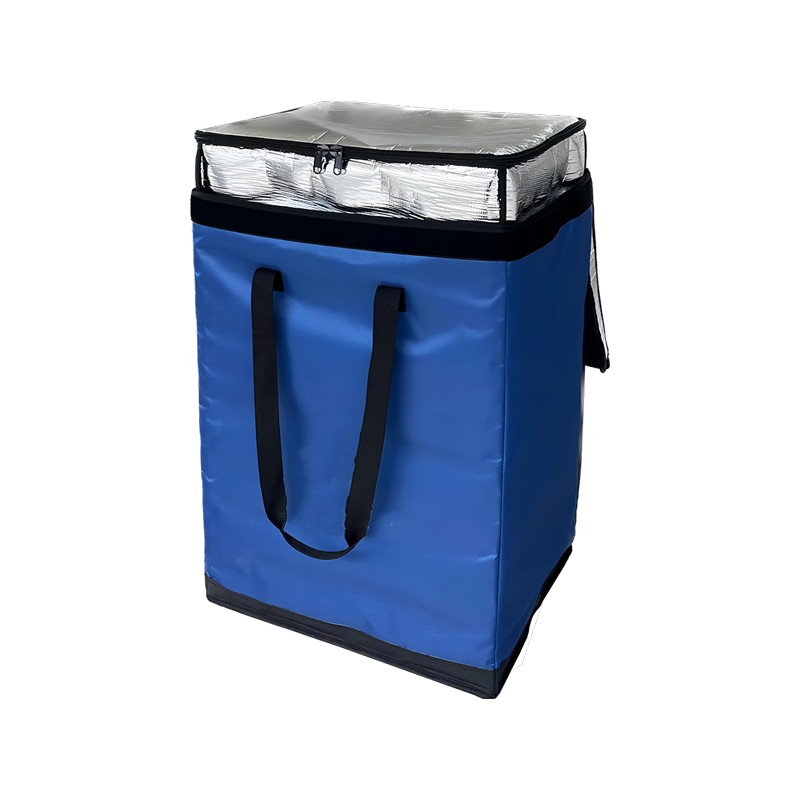
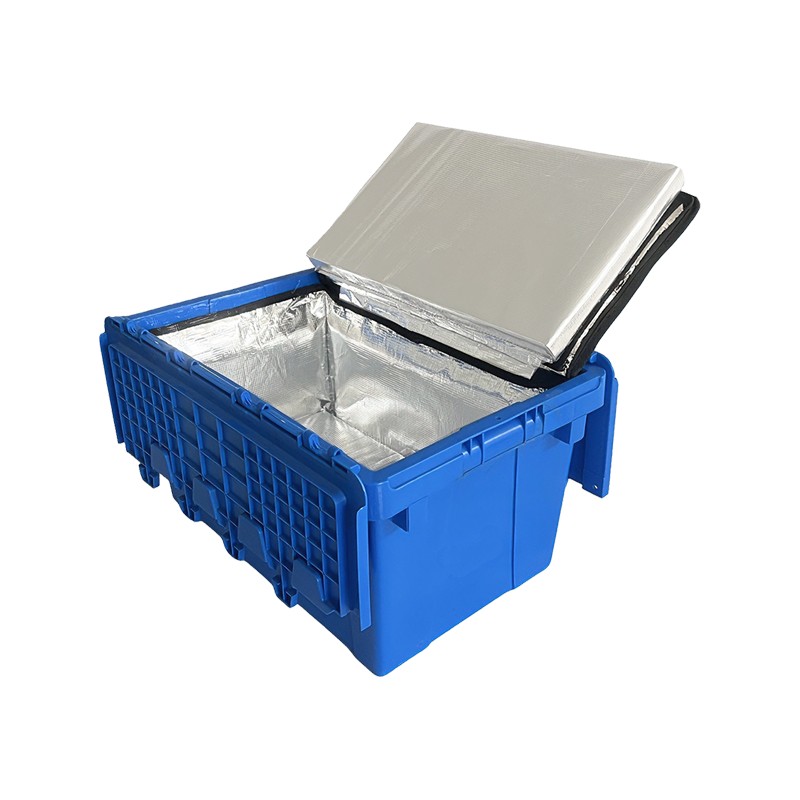
One food distributor replaced rigid insulated bins with foldable, rack-compatible cold chain cabinets. The freezer saw a 22% increase in pallet positions simply because empty units were removed from the frozen zone during non-delivery hours. Combined with the ABC re-slotting, picking errors also dropped because operators no longer had to navigate around idle containers.
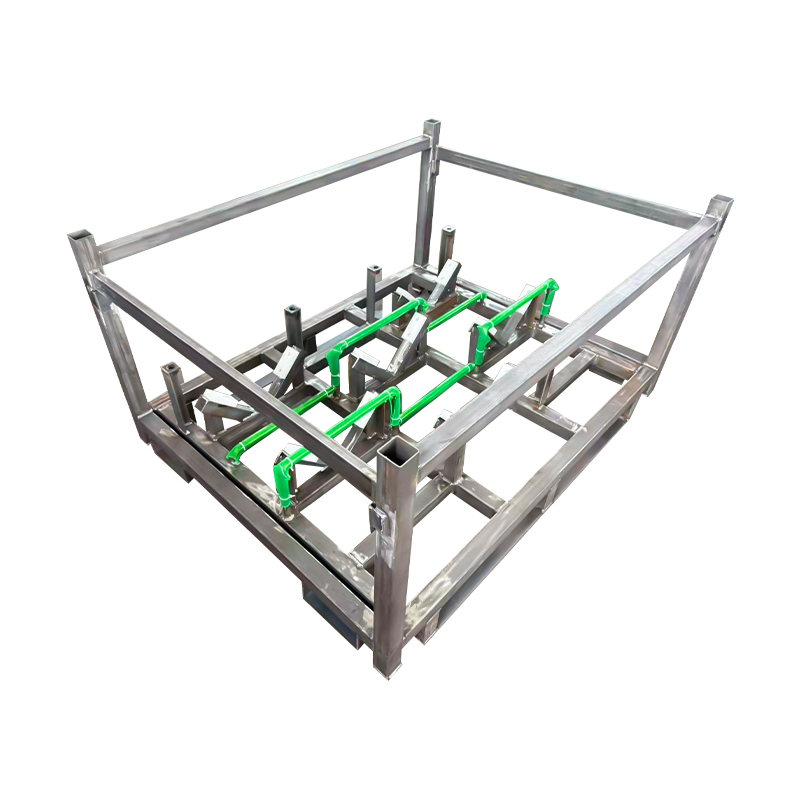
Stamped metal door frames, engine blocks, and exhaust assemblies don’t sit neatly on standard pallets. When a tier-2 automotive supplier approached us, their warehouse was using floor stacking and generic mesh cages, achieving only 38% cube utilization. High-value parts were getting scratched, and inventory accuracy was slipping because operators couldn’t easily count irregular stacks.
The solution combined three customized hardware systems:
Post-implementation, the facility’s adjusted warehouse cube utilization jumped from 38% to 62%. More importantly, damage claims fell by two-thirds. The custom approach cost more upfront than generic rack, but payback arrived in 11 months through reduced freight damage, lower picking labor, and the avoided cost of leasing additional overflow space. For operations dealing with non-standard components, automotive-specific storage implements demonstrate that a tailored container often pays for itself in space alone.
Warehouse space optimization isn’t a one-time project—it’s a discipline of continuously matching storage hardware, slotting logic, and operational flow to the physical footprint. The quickest gains come from the areas most facilities overlook: the empty air above 16 feet, the folded volume of return containers, and the cold chain’s hidden insulation penalty.
Three actions you can start next week:
Every square foot you recover is square footage you don’t have to lease. And in a market where industrial rents keep climbing, that’s not just optimization—it’s competitive strategy.
Copyright © 2024 Shanghai Betis Logistics Equipment Co., Ltd. All Rights Reserved.
 Custom Metal Storage Cages Manufacturers

 English
 中文简体
中文简体 日本語
日本語