Content
Warehouse space cost runs 15 to 20 percent of total operational spend in a typical distribution center. Yet managers often treat parts storage as an afterthought — something to stuff into one more aisle or an extra set of shelves. That thinking has a price. A poorly chosen storage layout adds seconds to every pick, wastes floor area you are already paying for, and inflates long‑term expenses by thousands of dollars a year.
Storage decisions are about operating capital. The wrong setup will leak money through wasted footprint, slow retrieval, and part damage. This article gives you a complete comparison framework, a decision matrix you can use tomorrow, and a concrete space‑planning method to avoid oversizing or undersizing your facility.
No single method fits every inventory. Industrial shelving, drawer cabinets, plastic or metal bins, and modular metal containers each solve a different combination of density, access speed, and budget. The table below compares them across the four metrics that matter most when you write a check for storage.
| Storage Type | Storage Density (SKU / sq.ft.) | Average Retrieval Time (sec) | Initial Cost per Slot (USD) | 5‑Year Total Cost per Slot (USD) |
|---|---|---|---|---|
| Industrial Shelving | 0.8 – 2.0 | 18 – 25 | $18 – $35 | $42 – $68 |
| Modular Drawer Cabinets | 3.0 – 6.0 | 10 – 15 | $55 – $100 | $85 – $140 |
| Plastic / Metal Bins | 1.5 – 3.5 | 15 – 22 | $5 – $20 (bin), plus rack | $28 – $55 |
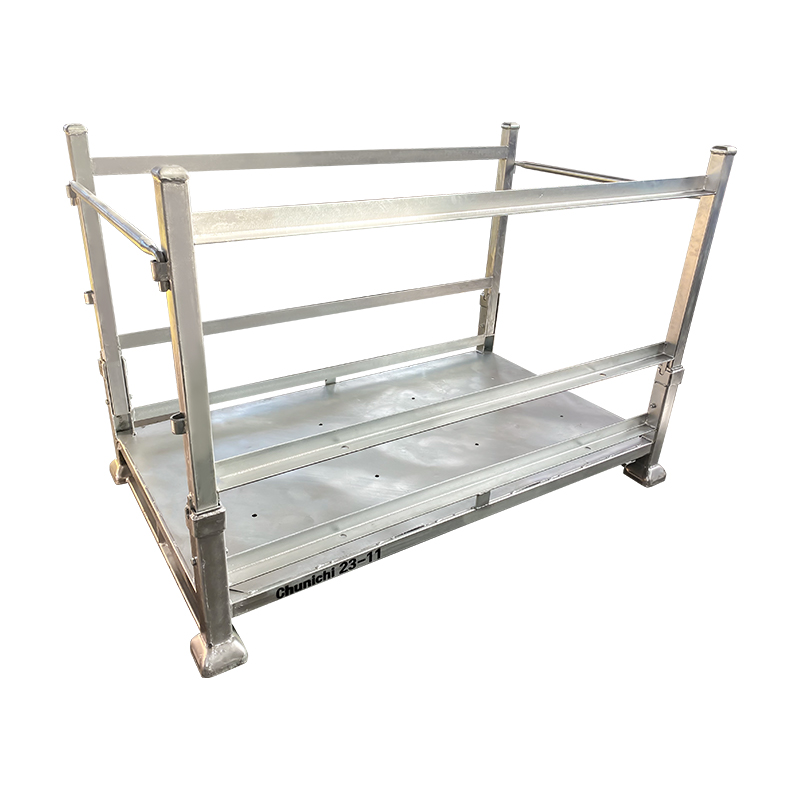
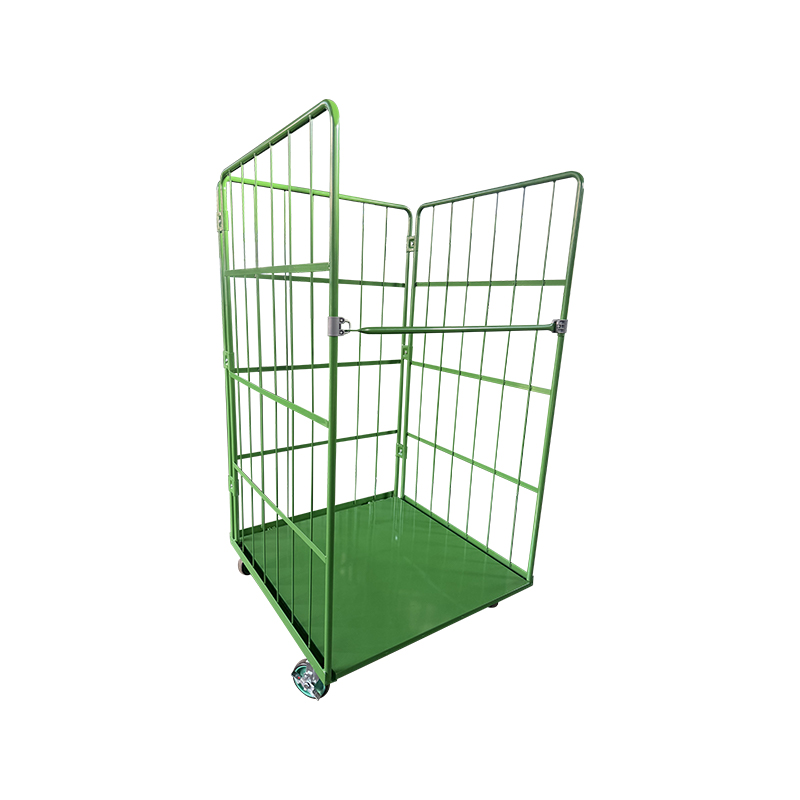
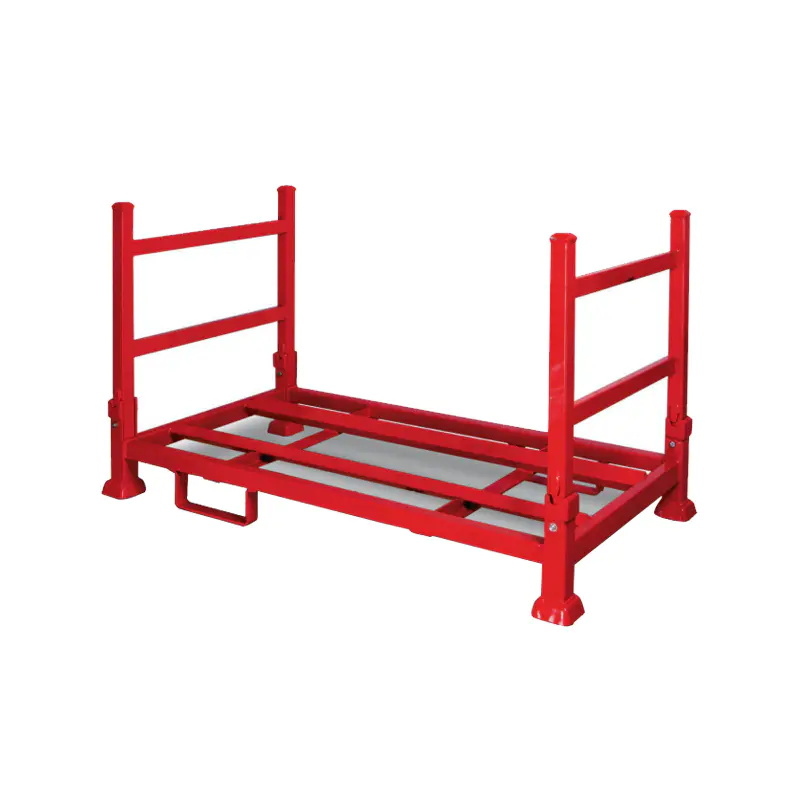
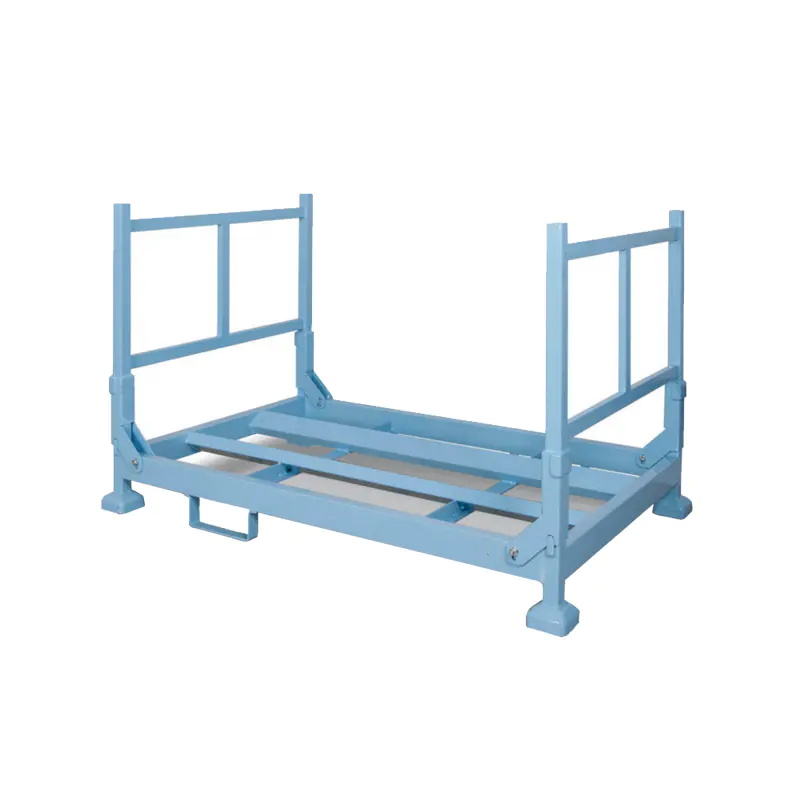
| Metal Wire Mesh Containers & Stacking Racks | 2.0 – 5.0 (stacked) | 12 – 20 | $110 – $250 per container | $150 – $320 |
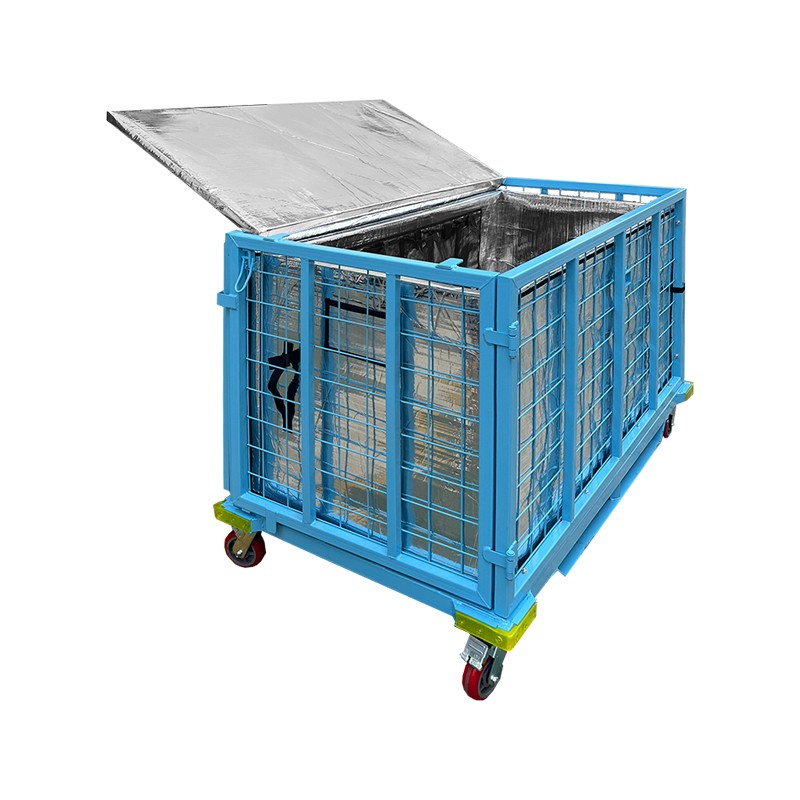
Shelving looks cheap at first. A standard bay costs under $200, but floor‑level picks are slow and horizontal spread eats real estate. Drawer cabinets triple SKU density in the same footprint yet a single 7‑drawer unit can exceed $1,500. Bins on racks offer flexibility but demand frequent restocking and careful labelling. Metal containers — like wire mesh pallet cages or foldable steel stillage — shift the math toward throughput and adaptability. They stack four or five high, let you move an entire batch with a forklift, and fold when empty to cut return shipping costs by up to 70 percent.

For operations that handle mixed part sizes and fluctuating volumes, heavy‑mesh containers and stackable metal stacking racks deliver a blend of density and mobility that fixed shelving simply cannot match.
Filtering options comes down to four variables: part dimensions, how often you touch each SKU, total active SKU count, and your capital budget ceiling. The matrix below maps these variables to the most cost‑effective storage family.
| Condition | Recommended Storage Type | Why This Works |
|---|---|---|
| Small parts, >2 picks/day, >500 SKUs, moderate budget | Modular Drawer Cabinets | High subdivision, short reach, best pick accuracy |
| Small to medium parts, <2 picks/day, <500 SKUs, tight budget | Bin on Shelving or Louvered Panel Racks | Low upfront, easy to reconfigure |
| Medium to large castings/assemblies, medium turnover, any SKU count | Metal Wire Mesh Containers + Stacking Racks | High weight capacity, forklift-ready, stacks for density |
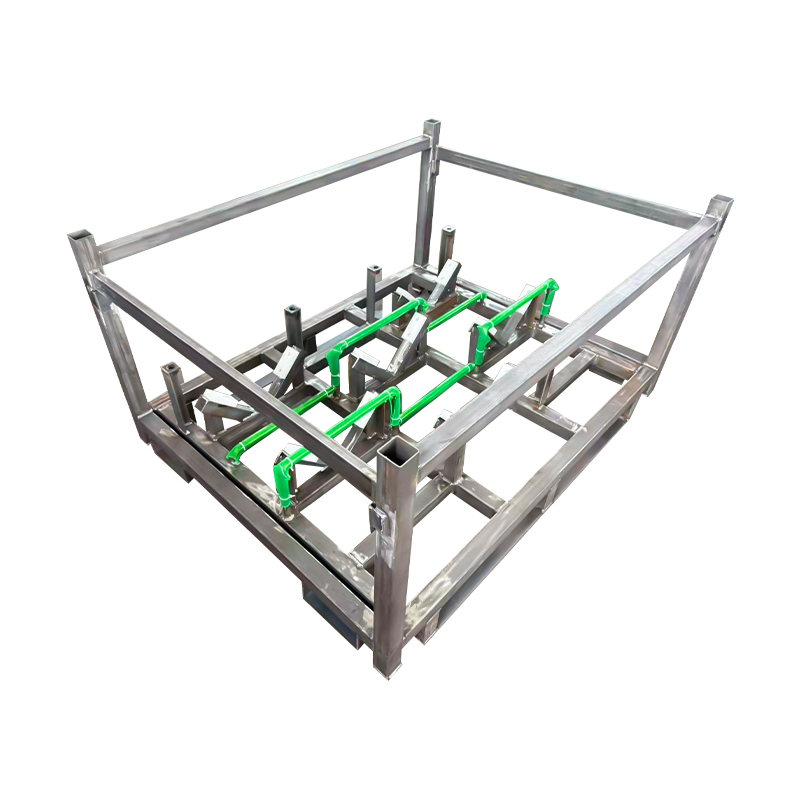
| Large stampings, doorframes, bumpers, low turnover | Custom Metal Stillages or Cantilever Racks | Form‑fitting support prevents distortion, maximizes cube |
| Temperature‑sensitive modules or electronics | Insulated Cold‑Chain Cabinets or ESD‑safe Bins | Maintains ±2°C, protects against static discharge |
Walk through the columns left‑to‑right. If your parts are under 100 mm cubed and you pick them hourly, drawer cabinets repay their higher price in less than 14 months through labor savings alone. Parts that span 600 mm or more — like engine covers or stamped body panels — need an open‑front container you can load with a hoist. That is where custom metal stillages for doorframe and bumper stamping parts become a strategic asset, not just a cost.
Guessing the number of rack bays leads either to crammed aisles or expensive empty steel. A three‑step calculation removes the guesswork.
Example: a warehouse with 2,500 SKUs of medium‑sized auto parts, total daily inventory volume of 1,800 ft³. Using wire mesh containers that each hold 45 ft³ and stack four high, you need 10 bays. With a 3.2‑meter aisle and 1.2‑meter container depth, each bay consumes about 5.2 m². Total area: 52 m² for pure storage, plus staging. That is roughly 65% less floor than standard shelving storing the same parts at one level.
The sticker price of a rack or cabinet hides several expenses that accumulate month after month. Below are five cost categories that often escape the initial business case.
A mid‑sized aftermarket distributor stored 5,000 SKUs — fasteners, brake rotors, filters, and plastic trim — on 3,000 square feet of industrial shelving. Inventory grew 15% annually, but floor space was capped. Picking accuracy was slipping to 96% because small parts got mixed on crowded shelves, and operators wasted 38% of their shift walking between scattered locations.
The team replaced all bulky shelves with a combination of modular drawer cabinets for small fasteners and wire mesh containers on stacking racks for rotors and heavy assemblies. 120 drawer units consolidated 2,800 small‑part SKUs into a 700‑square‑foot zone. Rotors and calipers went into 80 mesh containers stacked four high along two warehouse walls.
| Metric | Before (Shelving) | After (Drawers + Metal Containers) |
|---|---|---|
| Total floor space used | 3,000 sq.ft. | 1,780 sq.ft. |
| Average pick time per line | 32 seconds | 21 seconds |
| Picking accuracy | 96.2% | 99.5% |
| Annual return shipping cost | $28,000 | $9,500 (foldable containers) |
| Expansion capability (additional SKUs) | Limited by fixed racks | 1,200 new SKU positions added in 3 days |
The freed floor area was converted to a cross‑dock staging point, cutting order‑to‑ship time by 4 hours. Return freight savings alone paid back the container investment in 11 months.
Not all parts tolerate a standard warehouse environment. A few high‑stakes categories need distinct storage logic.
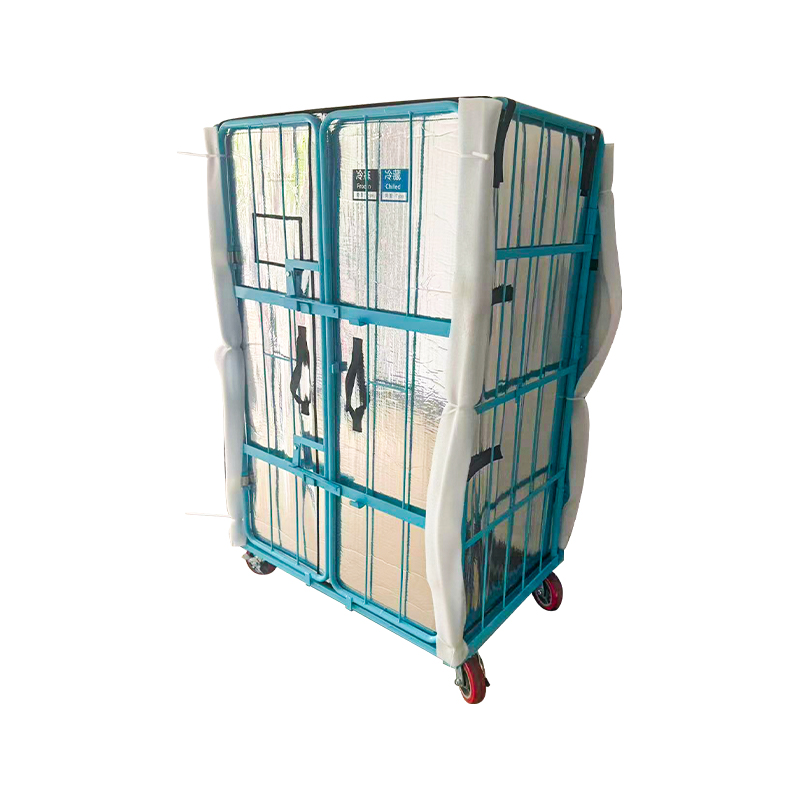
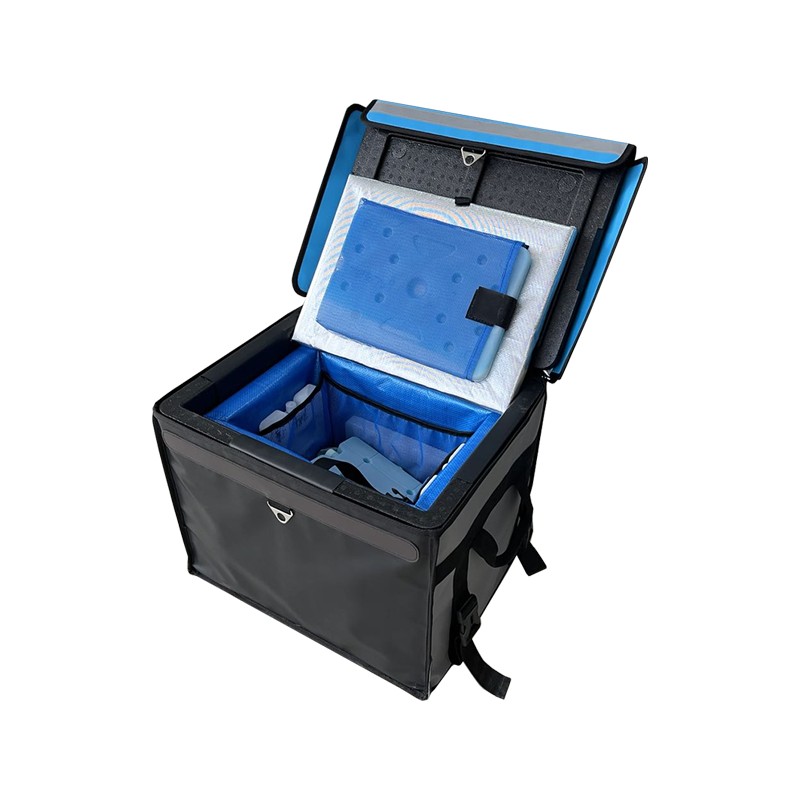
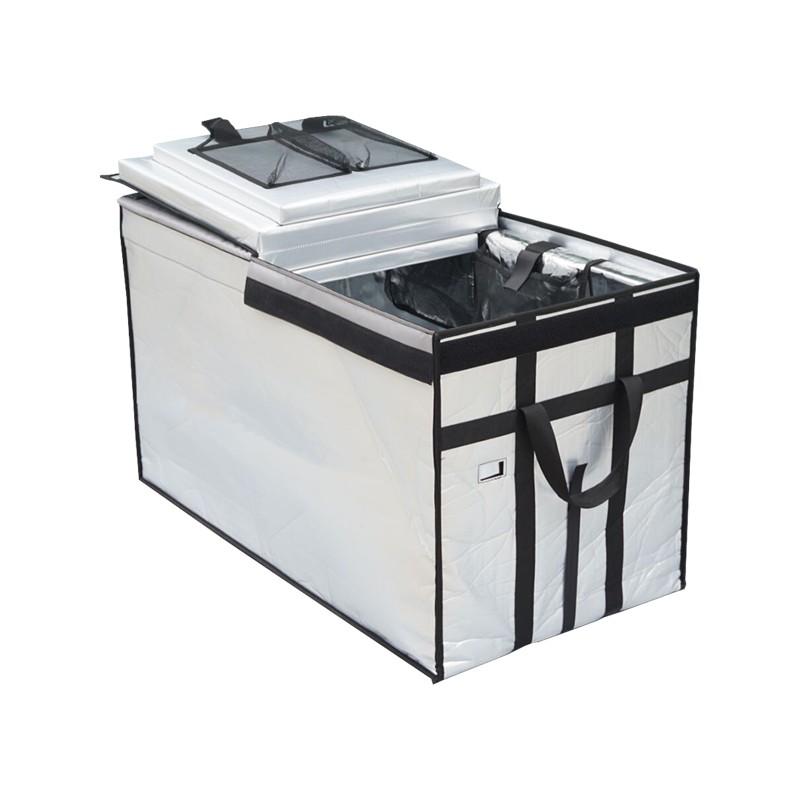
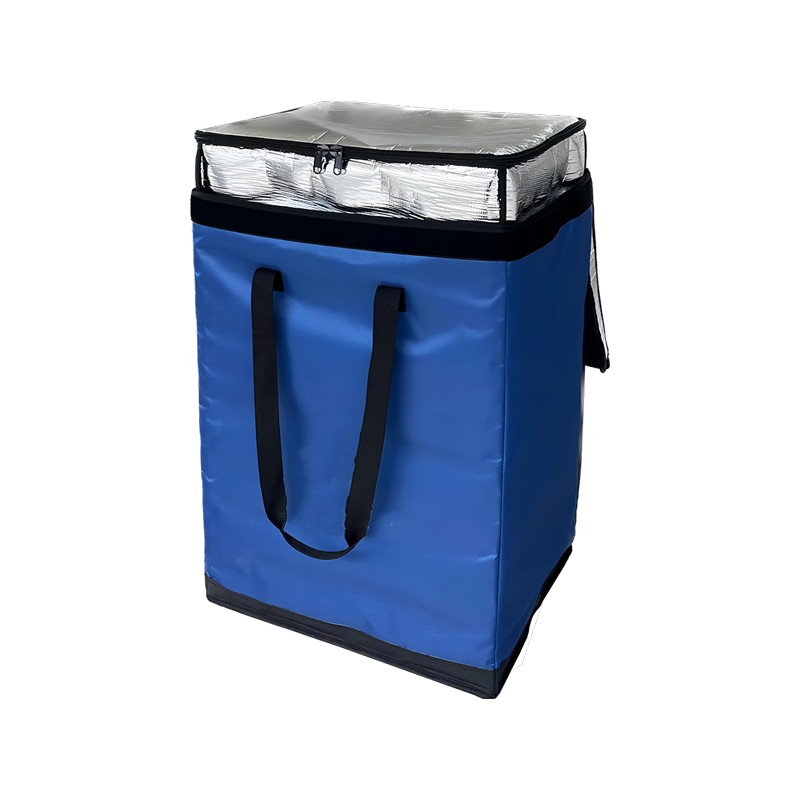
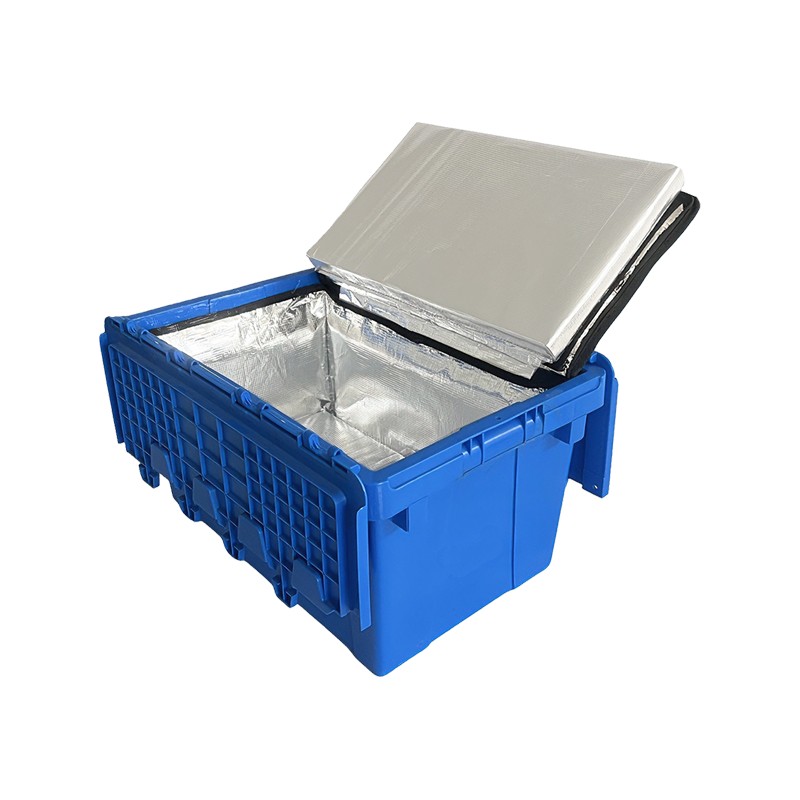
Adhesives, batteries, and certain electronic modules demand a stable thermal envelope. A dedicated insulating cabinet with phase‑change material can hold 2–8°C for 12 hours without active power, ideal for last‑mile delivery or short‑term holding. When the cold chain must reach the end user, insulated delivery cabinets integrate with existing delivery carts to maintain temperature compliance door to door.
ESD damage on microcontrollers or scratches on display panels destroy value instantly. Use conductive bins with grounded shelves and foam‑lined dividers. For mixed‑load shipments, antistatic wire mesh containers coated with dissipative powder coat prevent charge build‑up while preserving visibility for quick picking.
Doorframes, bumpers, and long extrusions defy standard shelving. A custom steel stillage with contoured cradles holds parts in the exact orientation needed for robotic loading or manual assembly, prevents warping, and stacks up to four units high. This approach removes the need for single‑level pallet storage that consumes entire aisles.
An off‑the‑shelf shelving catalog will only get you so far. The real savings come from matching the storage medium to your unique mix of part dimensions, throughput velocity, and infrastructure constraints. Whether you need to condense 10,000 fastener bins or house oversized body panels, a data‑driven layout analysis will pinpoint the exact combination of drawers, containers, and racks that yields the lowest total cost of storage per part per year.
Start with a call or submit your floor dimensions and SKU profile. An engineer can model multiple scenarios and show you the projected square‑footage and labor impact before you commit to a single purchase order.
Copyright © 2024 Shanghai Betis Logistics Equipment Co., Ltd. All Rights Reserved.
 Custom Metal Storage Cages Manufacturers

 English
 中文简体
中文简体 日本語
日本語