Content
A Midwest 3PL shaved 11 hours off its weekly receiving window without adding a single dock door. The difference came from rethinking material handling – not just the machines, but the containers and flow between them.
Warehouse material handling equipment encompasses every tool, vehicle, appliance, and unitization device that moves, stores, controls, and protects goods within a facility. From a simple hand truck to a fleet of autonomous mobile robots, its purpose is to reduce labor, accelerate throughput, and prevent product damage – all while keeping workers safe.
In practice, the term covers four core functions:
Seen this way, material handling is not a collection of hardware you buy once. It is a system where every component interacts. Change the container, and you may unlock faster picking. Add an automated guided vehicle, and your staging layout might need to shift. The most profitable warehouses treat equipment selection as a continuous process, not a one‑time capital project.
Industry taxonomies often fragment equipment into a dozen niches. Experienced operations leaders group gear into four functional families – transportation, storage, automation, and unitization – because those buckets map directly to how work actually flows through a building.
| Category | Primary Function | Typical Equipment |
|---|---|---|
| Transportation & Movement | Move loads horizontally, vertically, or over long distances | Forklifts, pallet jacks, hand trucks, AGVs, conveyors, cranes |
| Storage & Racking | Hold inventory in accessible, space-efficient configurations | Pallet rack, cantilever rack, push-back rack, stacking frames |
| Automation & Systems | Reduce human touchpoints through software‑driven handling | AS/RS, robotic pickers, sortation systems, automated carts |
| Unitization & Containers | Consolidate, protect, and standardize loads for handling | Plastic totes, wire mesh containers, foldable steel stillages, pallet collars |
Why separate containers from racks? Because a container is what you handle; a rack is where you put it. The interplay between them determines labor costs per pick and how many units you can store in a given cube. Overlooking this interconnection is what makes many “full‑line” catalogs fall short.
Movement gear consumes the largest share of a warehouse capital budget — and the most payroll hours. Choosing the right type for your travel distances, load weights, and aisle widths has a direct line to cost per case shipped.
A facility that runs 200‑foot picks between storage and packing needs a different mobility mix than one with 40‑foot zones. The table below frames the trade‑offs among the four most common movement assets in U.S. distribution centers.
| Equipment | Best For | Typical Load Capacity | Aisle Requirement | Relative Cost |
|---|---|---|---|---|
| Manual Pallet Jack | Short hauls, dock-to-rack staging | 4,000–5,500 lbs | 9–10 ft | Low |
| Electric Pallet Truck | Mid-distance transport, truck loading | 4,000–6,000 lbs | 9–10 ft | Medium |
| Counterbalance Forklift | Heavy loads, outdoor yards, block stacking | 3,000–15,000+ lbs | 12–14 ft | Medium–High |
| Automated Guided Vehicle (AGV) | Repetitive point‑to‑point moves, 24/7 operation | 2,000–10,000 lbs | Varies; typically 8–10 ft with laser guidance | High |
Don’t overlook the total cost of operation. An electric pallet truck may cost 40% more upfront than a manual jack, but a single operator can move twice as many pallets per hour without the fatigue‑related downtime that manual pumping imposes. In a three‑year window, the motorized unit often pays back its premium through labor savings alone.
Conveyors still dominate high‑volume parcel and carton movement, yet their fixed footprint makes them unforgiving if your SKU profile shifts. That’s why many operations layer AGVs onto existing conveyor spines, dynamically re‑routing totes without tearing up concrete.
Racking gets the glamour shots in warehouse brochures. But what sits on the rack — and how it’s consolidated — often matters more for throughput and damage rates.
Standard pallets have been the default unit load for decades. However, when SKU variety climbs and pick velocities split between full‑pallet and piece‑pick, combining rack structures with purpose‑built containers becomes a competitive lever.
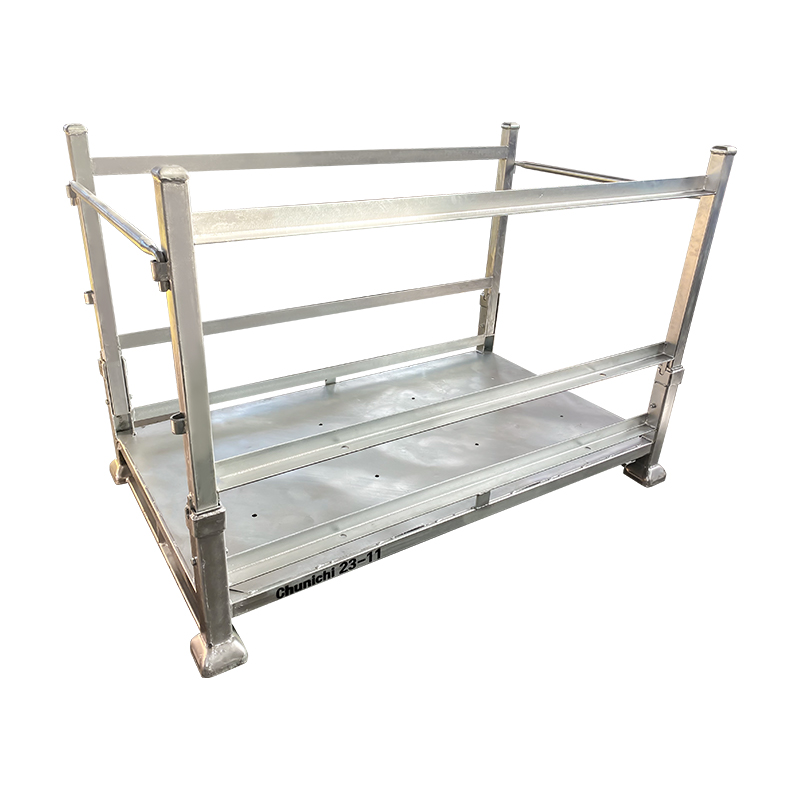
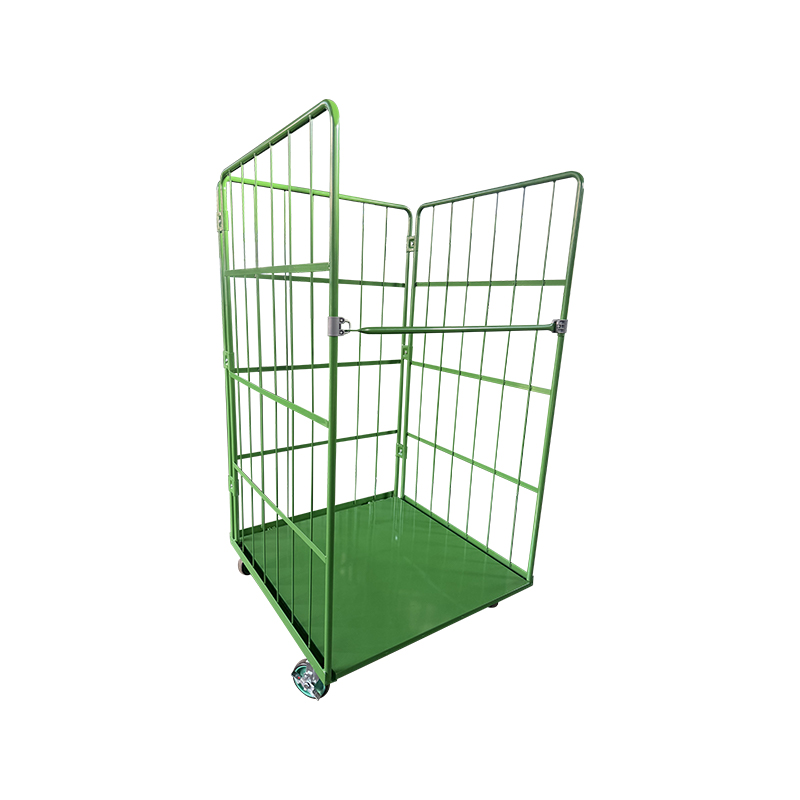
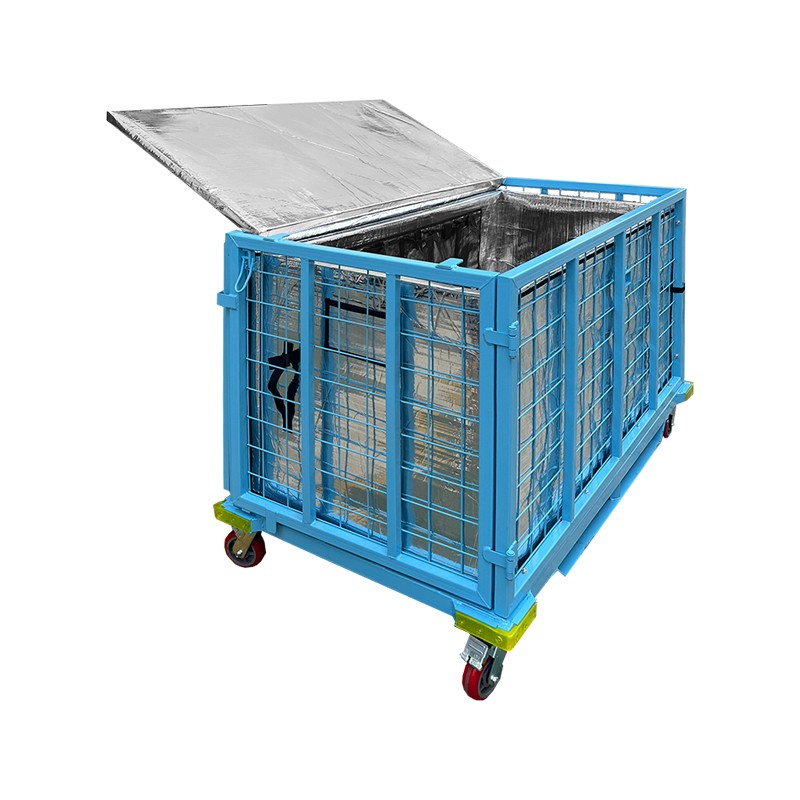
Wire mesh containers are a prime example. Unlike fixed‑wall metal bins, wire mesh containers offer visibility for quick inventory checks and can be stacked four or five high when full. When empty, collapsible models fold to a quarter of their erected size, slashing return freight and warehouse space for idle equipment. Similarly, foldable steel stillages serve heavy or irregularly shaped loads — stampings, castings, large sub‑assemblies — and can be dropped right onto the production floor, then folded flat after use.
This foldability translates directly into money. One aftermarket auto parts distributor reported that switching from rigid metal bins to collapsible steel containers cut dedicated empty‑storage footage by 65%, freeing a bay for a new value‑add kitting cell.
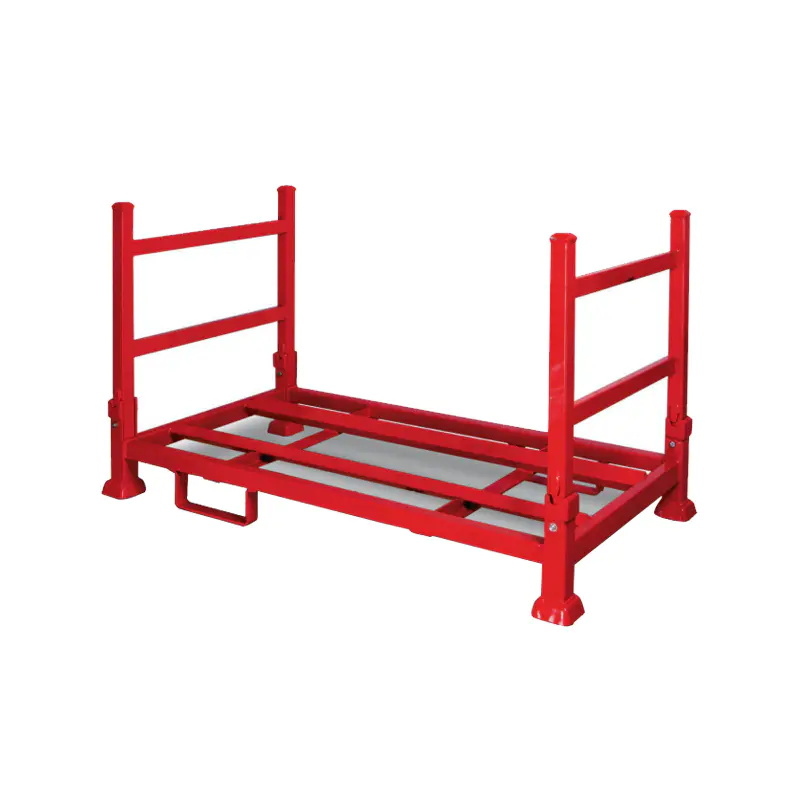
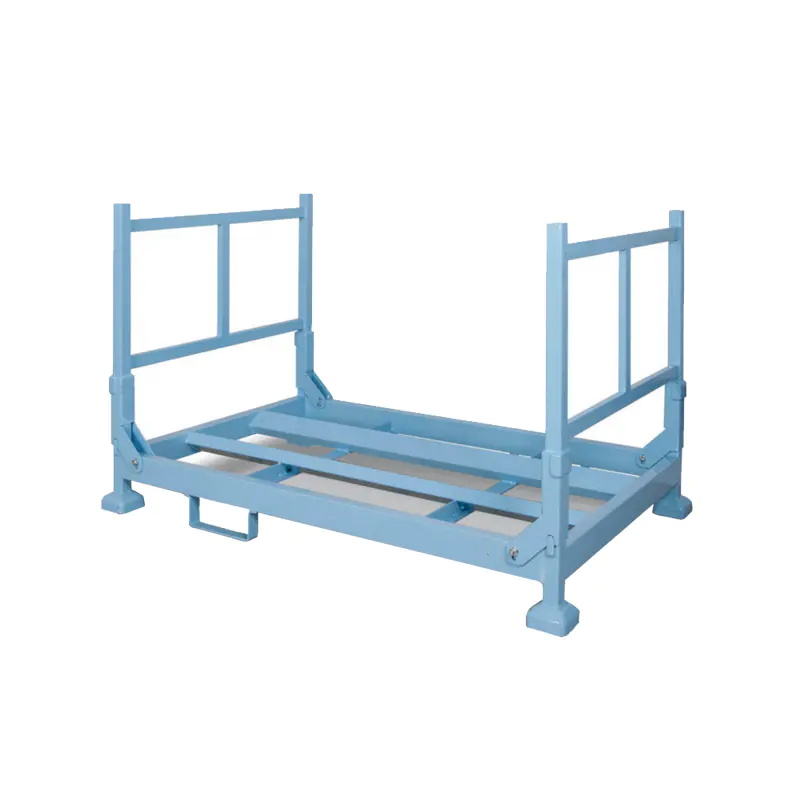
Stacking racks add another layer of flexibility. Portable rack modules let you turn any floor area into temporary bulk storage during seasonal peaks. Combine them with interchangeable containers and you create a storage array that adapts from month to month without permanent installation costs.
Walking a trade‑show floor, every system looks essential. Back in the operation, capital committees need a framework that ties equipment to real throughput numbers. The matrix below distills the decision into four project parameters.
| Operational Profile | Recommended Transport | Storage Approach | Container Type | Automation Level |
|---|---|---|---|---|
| Low SKU count, full‑pallet moves, high volume | Counterbalance forklift, reach truck | Selective pallet rack, drive‑in rack | Standard wooden pallets | None to basic (RF scanning) |
| High SKU count, broken‑case picking, moderate volume | Electric pallet truck, tugger cart | Carton flow rack, bin shelving | Plastic totes, divided containers | Low – conveyor for sortation |
| Mixed pallet and piece‑pick, seasonal spikes | AGV for staging, manual jack for dock | Stacking racks, temporary block storage | Foldable wire mesh containers | Medium – AGV + pick‑to‑light |
| Heavy, irregular loads (engines, stampings) | Rotating forklift with specialized clamp | Floor‑level stillage, cantilever rack | Custom steel stillages with dunnage | Low – automated guided carts optional |
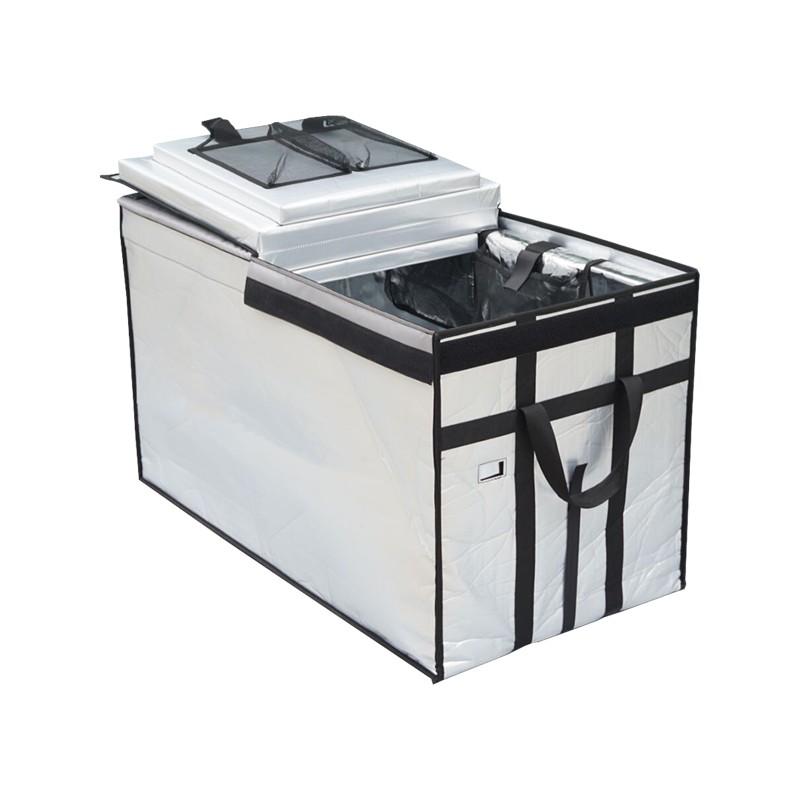
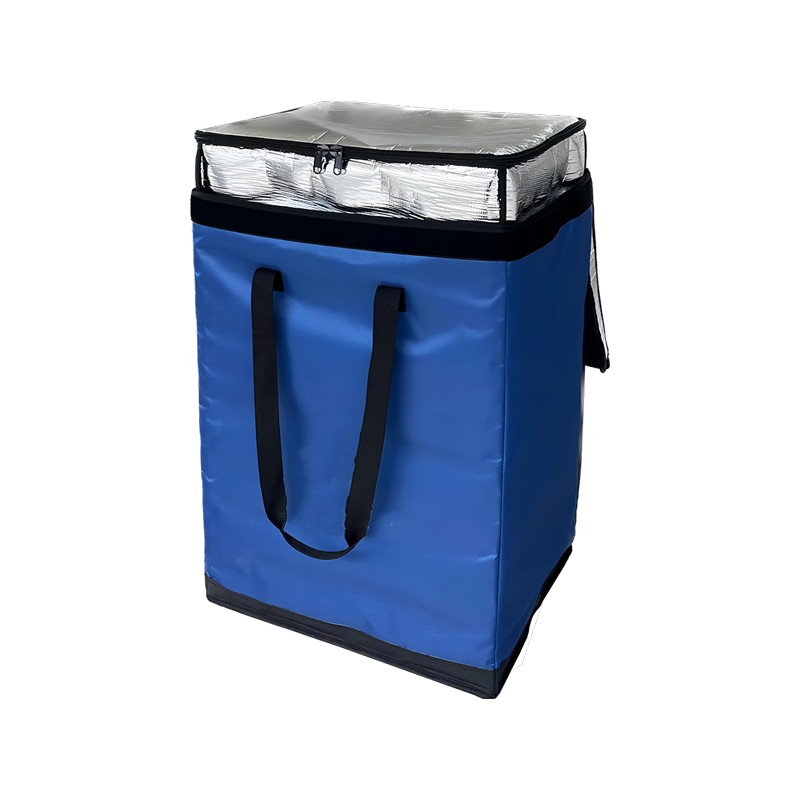
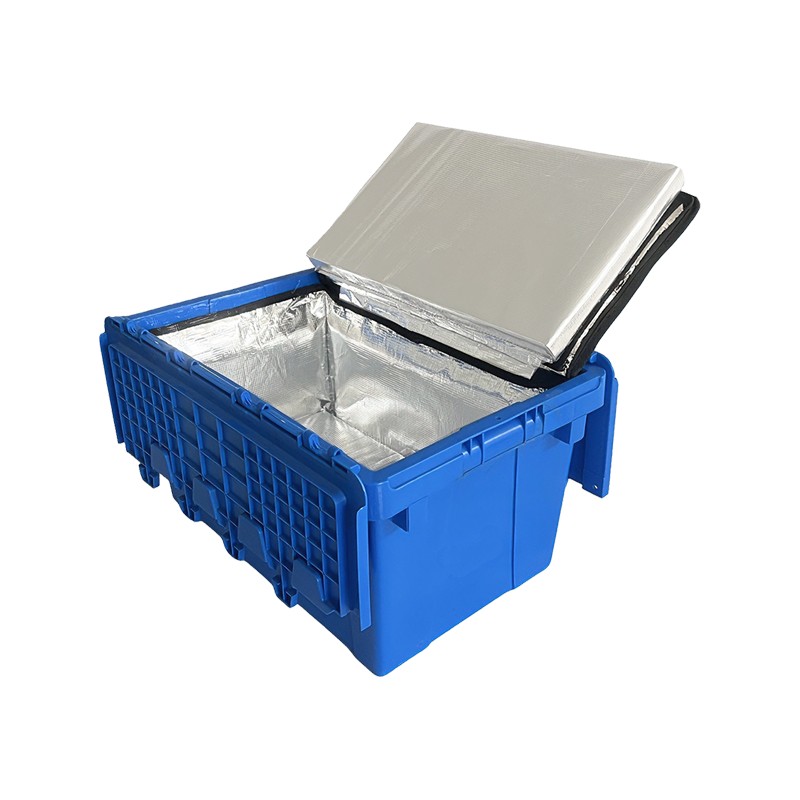
| Cold chain, temperature‑controlled goods | Electric pallet truck (sealed batteries) | Mobile rack, high‑density sliding pallet | Insulated cabinets, phase‑change totes | Medium – voice‑directed picking |
Start each evaluation with a data pull: daily pick lines, average travel distance per pick, pallets moved per shift, and cubic velocity. Feed those numbers into the matrix. A facility doing 800 pallets a day but only 60 distinct SKUs has no business spending on automated piece‑pick pods, no matter how impressive the demo video looks.
The framework works in reverse too. If your current operation is already heavy on pallet jacks but labor costs are climbing, the matrix points to a targeted upgrade — perhaps an AGV pilot on a single replenishment loop — before a facility‑wide rip‑and‑replace.
General‑purpose equipment covers 80% of SKU profiles. The remaining 20% — the awkward, the heavy, the temperature‑sensitive — determines whether a warehouse operates at margin or scrap.
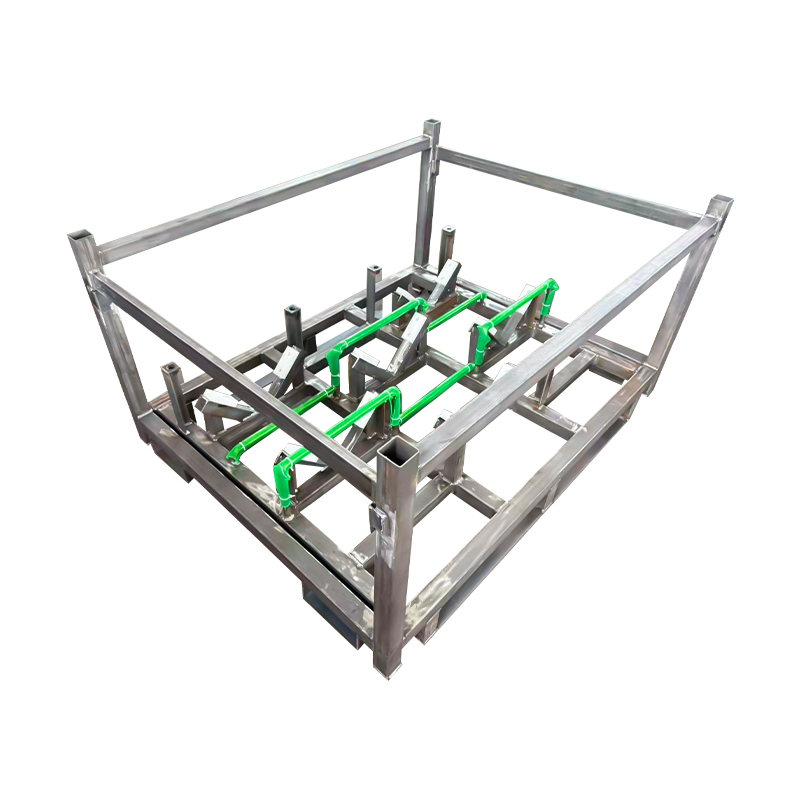
Engine blocks, transmissions, and stamped doorframes present two challenges: weight and precision. Standard pallets allow movement; they don’t prevent metal‑on‑metal damage during transit. Purpose‑built stillages with electrostatic powder coating and machined locating fixtures keep parts separated and rust‑free through multiple handling cycles. One OEM line‑feed operation reduced inbound part rejections by 34% after switching to custom engine storage racks that integrated directly with AGV lift decks.
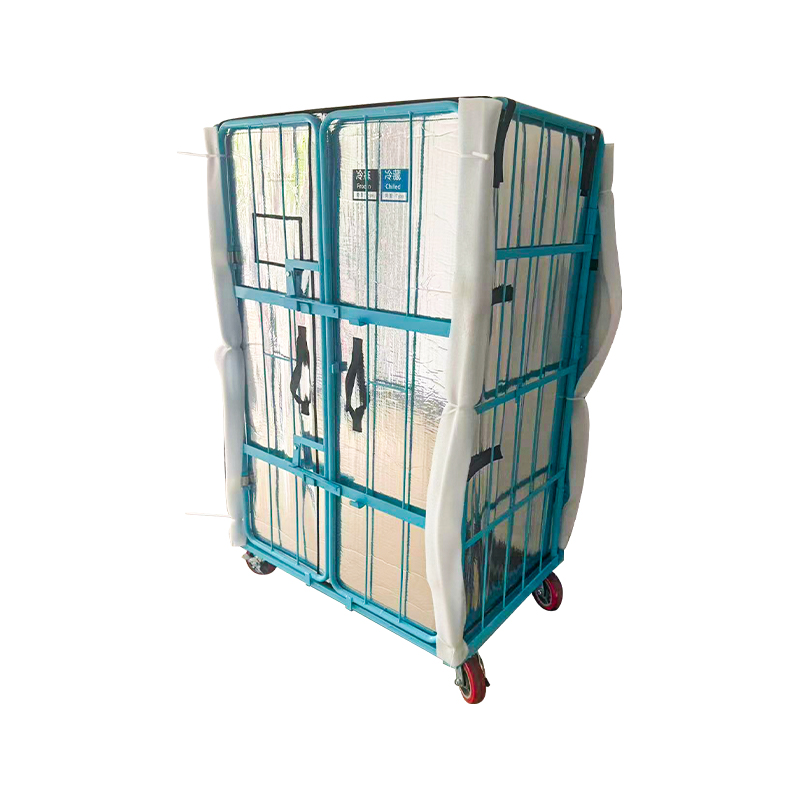
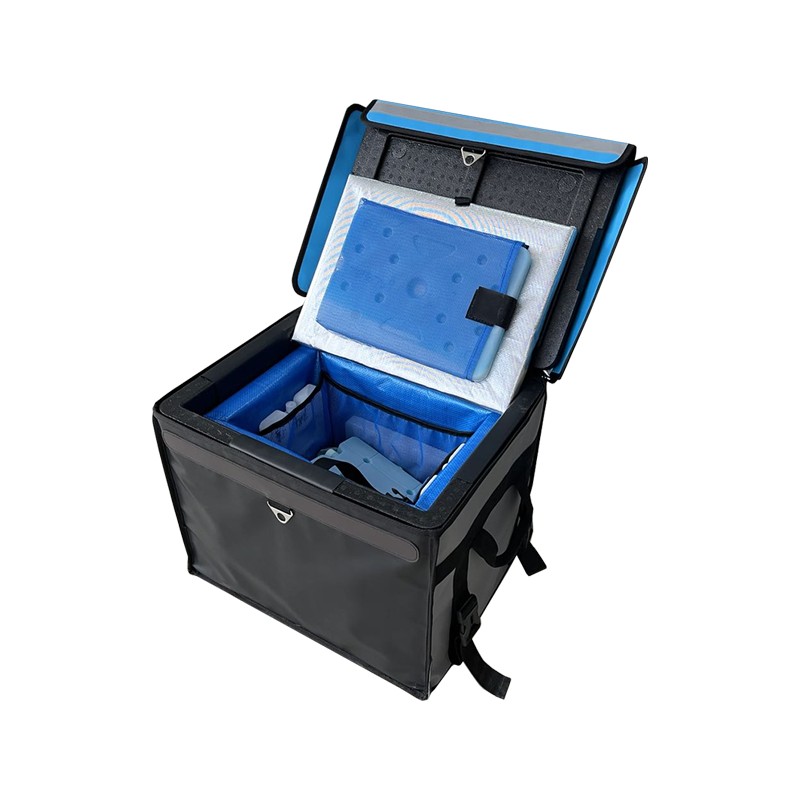
Temperature excursions during staging wipe out margins on pharmaceutical and fresh‑food shipments. Simple insulated totes are not enough; passive thermal packaging with phase‑change materials and tight‑sealing lids maintains 2–8°C for up to 24 hours in ambient conditions. The right cabinet can double as a pick‑face module inside the chiller, eliminating a separate staging step.
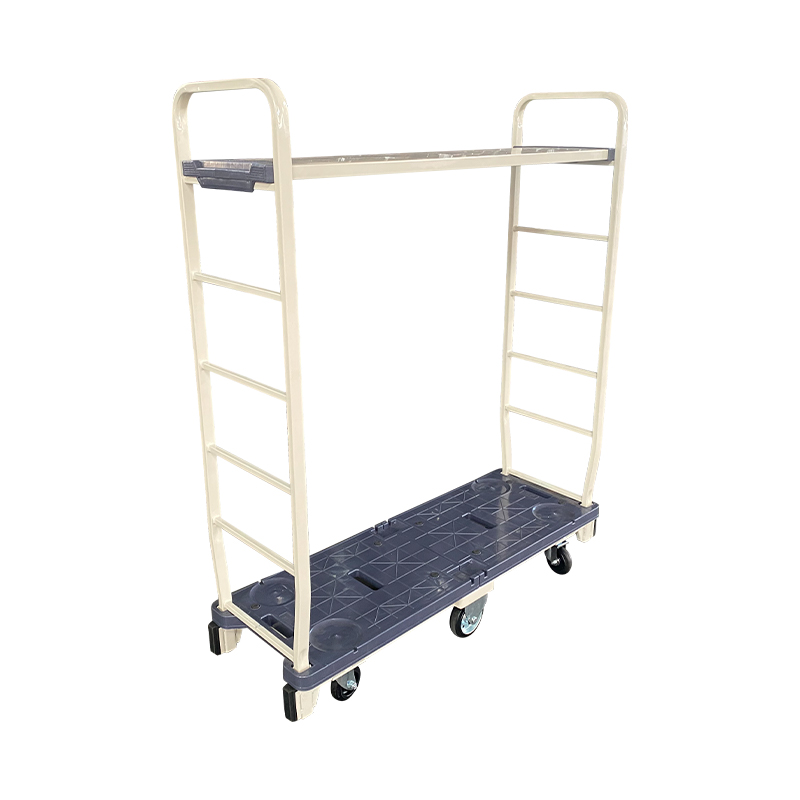
Returns processing is the most labor‑intensive material flow in any DC. Roll cage trolleys with mesh walls let returns sorters segregate items by disposition code while still in motion, collapsing the distance between receiving dock and repair bench. Because the cages nest when empty, they don’t congest docks during peak return windows.
Material handling incidents account for roughly 25% of all warehouse injuries, according to OSHA data. Equipment selection directly influences that number — not just through guarding but through ergonomics and visibility.
Every facility should audit for these controls:
Beyond hardware, enforce a floor‑marking plan that separates pedestrian walkways from vehicle travel. Even a narrow‑aisle AGV moves fast enough to cause injury if pathways are ambiguous. Pair markings with mandatory high‑visibility vests and documented daily equipment inspections.
Remember that a correctly spec’d container improves safety too. A foldable steel stillage with integrated fork pockets eliminates the need for workers to climb onto a load to attach slings — a regular source of falls in metalworking distribution.
Material handling equipment is not a catalogue you flip through — it’s a financial lever. Every decision about containers, forklifts, and racking directly influences labor productivity, storage density, and damage expense. The four‑category framework (transport, store, automate, unitize) keeps the conversation tied to outcomes rather than product specs.
Start with a one‑week time‑and‑motion study, map your picks and moves against the decision matrix above, and question every step that uses a full pallet when a tote would do. The quickest ROI often hides not in the newest robot but in a container change that eliminates one touch per order.
For operations handling specialized inventory — automotive, cold chain, or high‑mix e‑commerce — off‑shelf solutions rarely deliver the full benefit. Custom‑engineered containers and racking systems close the gap between generic equipment and the real‑world dimensions of your product.
Copyright © 2024 Shanghai Betis Logistics Equipment Co., Ltd. All Rights Reserved.
 Custom Metal Storage Cages Manufacturers

 English
 中文简体
中文简体 日本語
日本語