Content
Walk through a wholesale distributor's warehouse on a busy Tuesday and you will usually notice the same pattern: a returned delivery truck still holds last week's roll cages, empty wire mesh containers are parked against the pick face, and a pallet of irregular parts waits on the floor because no rack was designed for it. None of these problems appears in the WMS dashboard, but together they determine whether the operation stays profitable as order volumes grow.
The conclusion, based on years of working with distributors in the automotive, food, tire, and retail sectors, is straightforward: the most effective warehouse solutions for the wholesale industry are not always another software module. They are the physical load carriers, storage units, and trolleys that touch every item between receiving and dispatch. Equipment decides how much floor space you actually use, how many times a product is handled, and how much of it reaches the customer intact.
When a wholesale distributor starts researching warehouse solutions, search results tend to focus on public warehousing, contract warehousing, automation, and warehouse management systems. These are legitimate options, and many distributors use several of them at once. Still, a complete warehouse solution has three layers: the service layer, the software layer, and the physical layer.
The service layer covers where goods are stored — owned, leased, or third-party facilities. The software layer handles inventory accuracy, slotting, picking logic, and carrier integration. The physical layer covers racks, stillages, wire mesh containers, trolleys, and the rest of the hardware that actually holds and moves goods.
Most buying guides give the physical layer only a few sentences, even though it is the layer that determines whether a distributor can absorb a peak-season surge without hiring extra labor. For a wholesaler that owns its inventory, working directly with a manufacturer of metal unit load equipment often pays back faster than adding another software license or another square meter of storage.
Before choosing equipment, it helps to know where the money goes. In our projects with distributors, four cost drivers dominate:
The common thread is physical handling and storage equipment. That is where the largest and most predictable savings are found.
Storage equipment has to be matched to the shape, volume, and turnover of the products it carries. For most wholesale operations, a combination of flexible wire mesh containers and dedicated steel stillages covers the full range of SKUs.
For goods that arrive in small cartons or move in batch lots, the folding metal wire mesh container is one of the most versatile storage units a wholesale warehouse can own. Loaded, it acts as a modular storage and transport cube that stacks safely and moves by forklift from any side. Unloaded, its side walls fold down so the empty units nest and consume a fraction of the original space. One operator can collapse an entire fleet in the time it would take to stack rigid crates.
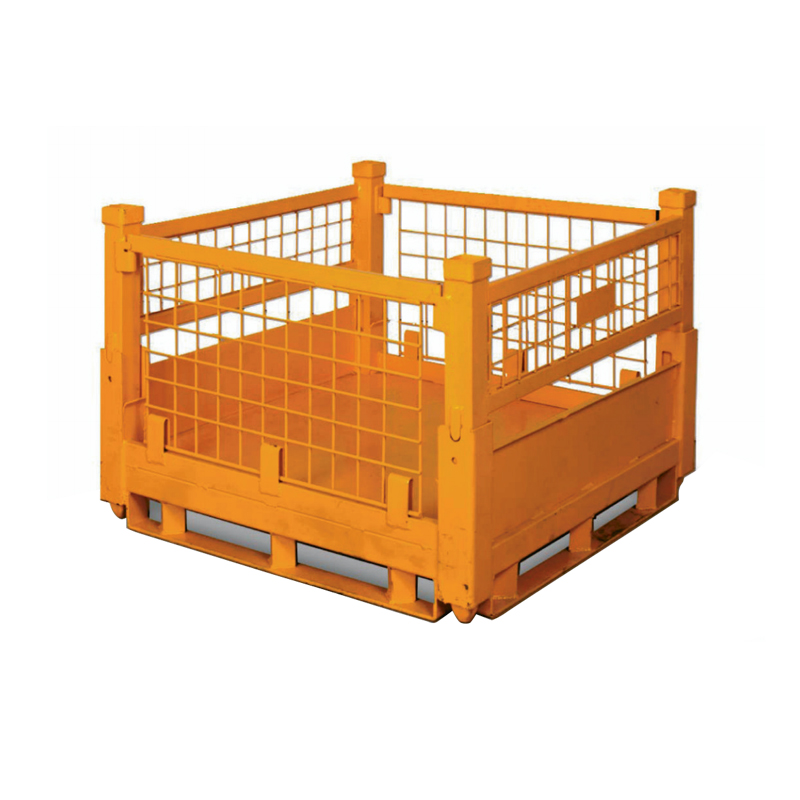 Wholesale Folding Metal Wire Mesh Container Suppliers, Manufacturers - Shanghai Shanghai Betis Logistics Equipment Co., Ltd. is China wholesale Folding Metal Wire Mesh Container suppliers and OEM/ODM manufacturers, de...View Product →
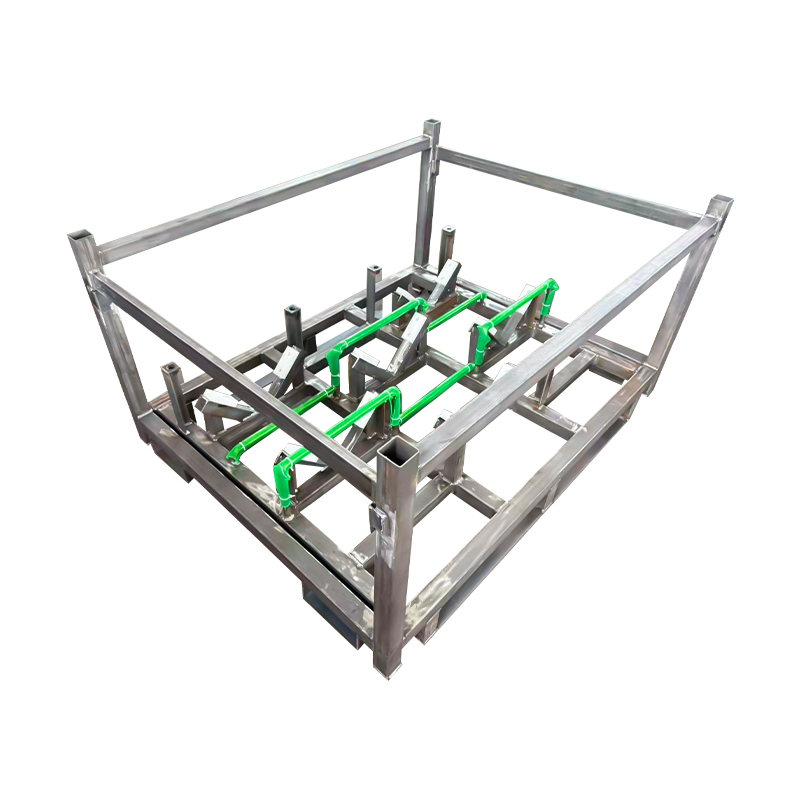
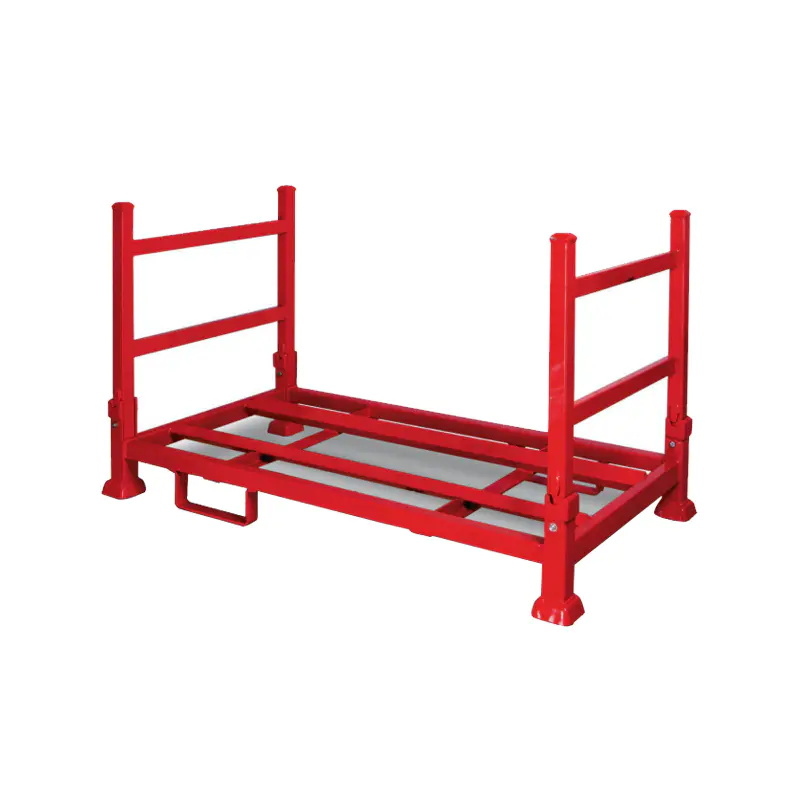
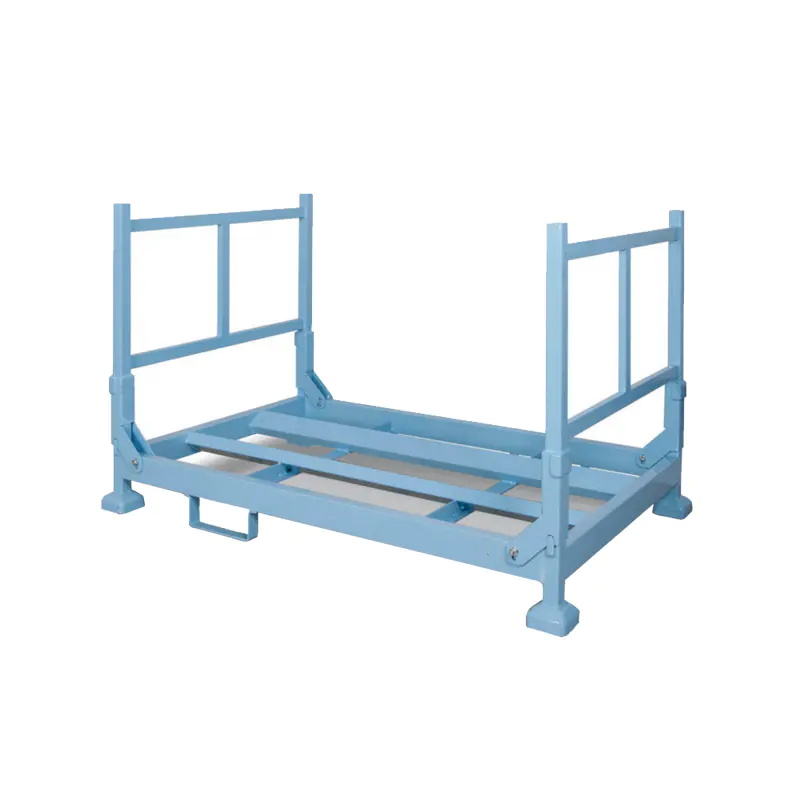
Steel stillages, stacking racks, and dedicated product racks come into play when the load is heavy or the shape is awkward. An automotive parts wholesaler, for example, moves bumpers, door frames, and engine blocks in metal stillages shaped around the actual parts. A tire distributor uses stackable tyre racks that protect sidewalls and let a forklift retrieve one rack without disturbing the others. In both cases, the equipment is not just storage; it is the interface between production, warehouse, and transport.
This is also where slotting decisions matter. Fast-moving SKUs need pick faces sized to their real unit volume, which is hard to achieve when goods sit in mismatched containers. Wholesalers that invest in proper warehouse slotting usually find that the right unit load, not just the right location, is what makes a slot efficient.
| Equipment | Best suited for | Primary benefit |
|---|---|---|
| Folding wire mesh container | Small cartons, mixed SKU lots, pick-face replenishment | Collapses flat when empty; stackable and forklift-friendly when loaded |
| Euro foldable steel stillage | Heavy parts, inter-site transport, rack integration | Folds to a low profile; supports high loads without deformation |
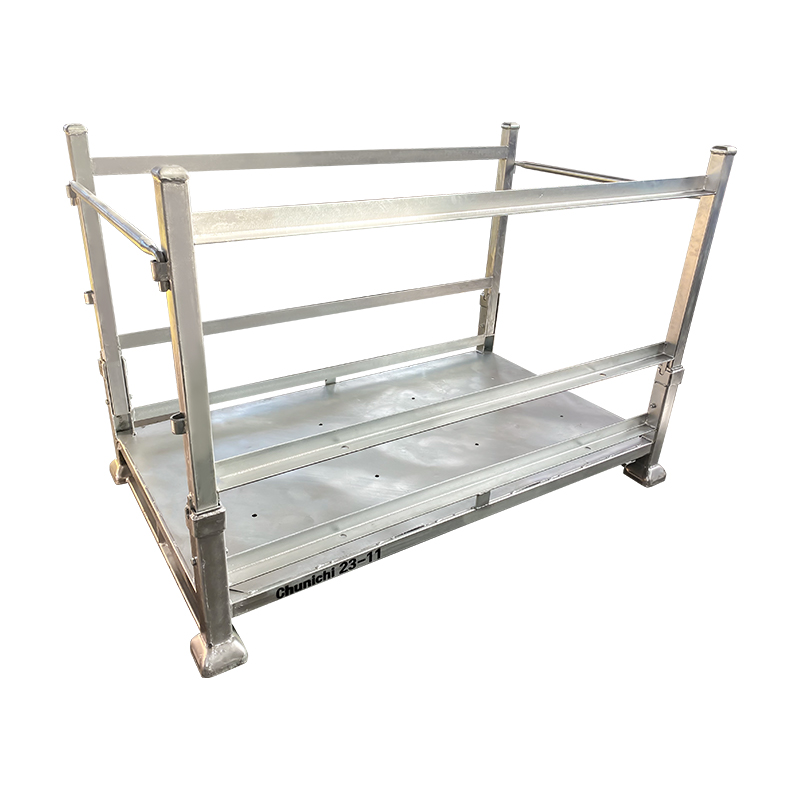
| Metal stacking rack | Long or awkward loads such as profiles, tubes, and furniture | Support posts allow high stacking without crushing the goods |
| Tyre rack | Tire manufacturing and wholesale storage | Keeps tires upright, protects sidewalls, and folds for empty return |
Space gets most of the attention, but movement is where wholesale warehouses spend money every shift. Equipment that reduces touches and merges picking with delivery has an immediate effect on labor cost.
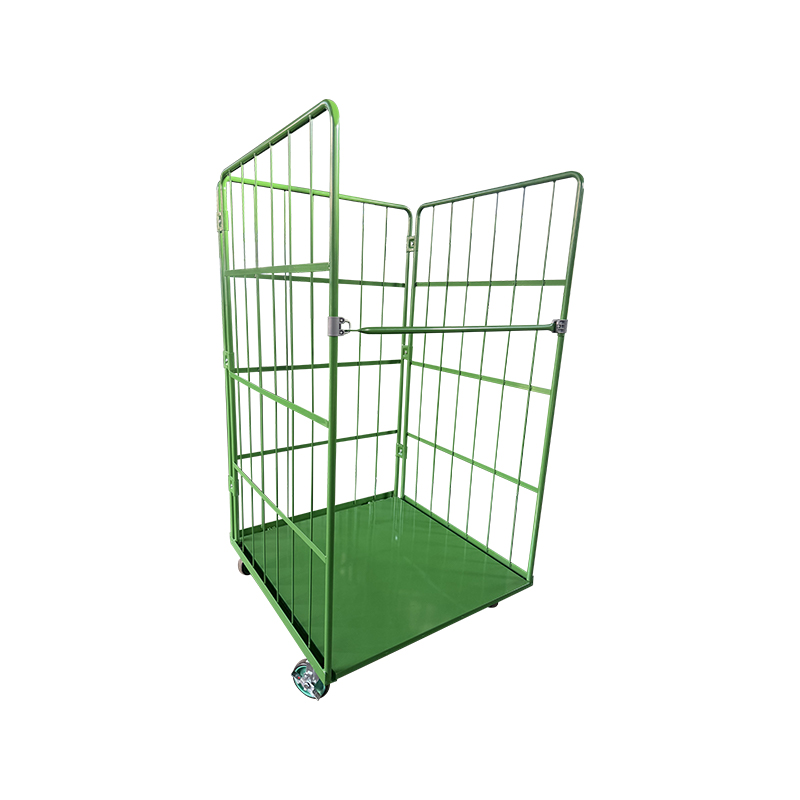
For distributors supplying supermarkets, convenience stores, and catering chains, the euro-style mesh roll cage trolley is the bridge between the pick face and the customer's back door. Inside the distribution center it works as a mobile picking cart; at the store it becomes a ready-to-shelve unit. Because the roll cage footprint matches standard retail delivery, goods can be sequenced by aisle and shelf in the warehouse, so the driver does not rearrange boxes at the store.
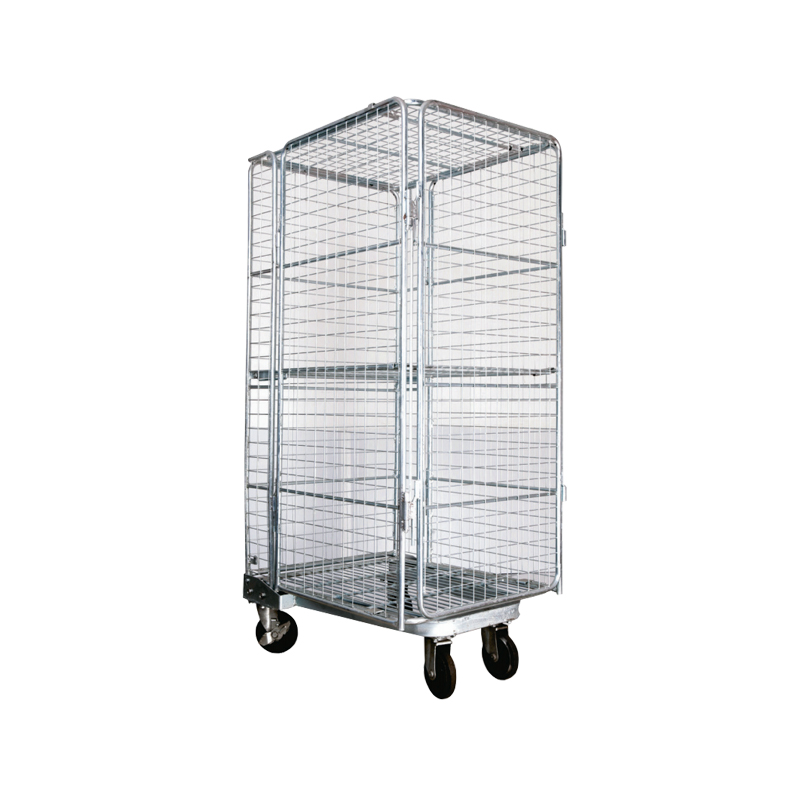 Custom Euro Roll Cage Trolley Manufacturers, FactoryShanghai Betis Logistics Equipment Co., Ltd. is China Euro roll cage trolley manufacturers and Euro roll cage trolley factory, provide cu...View Product →
Between a central warehouse and satellite branches, the euro foldable steel stillage keeps heavy loads stable in transit and makes the empty return leg cheap. Full stillages can be stacked in the truck with minimal void; empty ones fold to a compact height, so several fit in the space of one. In our experience, the payback of foldable equipment shows up exactly here — in the trailer cube that is not wasted on the way back.
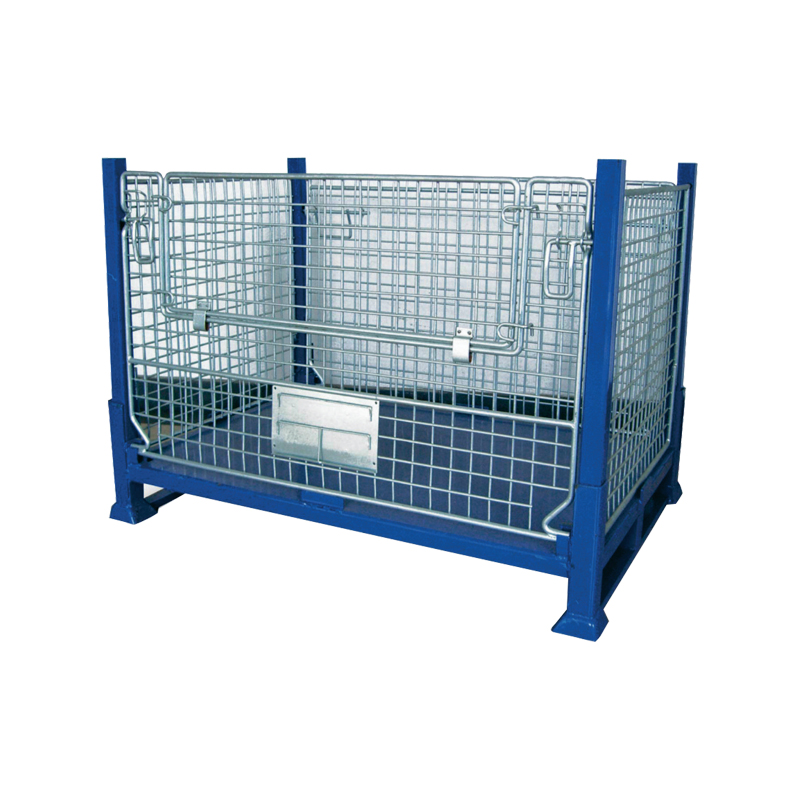 Wholesale Euro Foldable Steel Stillage Suppliers, Manufacturers - Shanghai BetisShanghai Betis Logistics Equipment Co., Ltd. is China wholesale Euro Foldable Steel Stillage suppliers and OEM/ODM manufacturers, details...View Product →
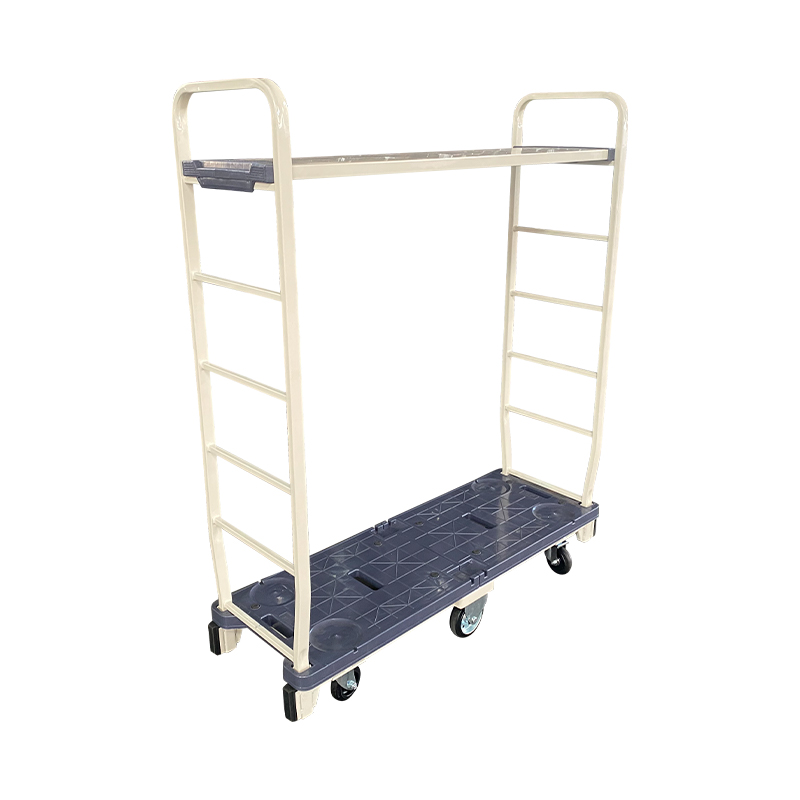
For break-bulk areas, returns processing, and non-palletized zones, plastic pallet dollies and foldable platform trucks keep goods flowing without tying up a forklift. These units earn their keep in receiving, along picking lines, and in the returns area, where products arrive in every possible shape and have to be sorted quickly.
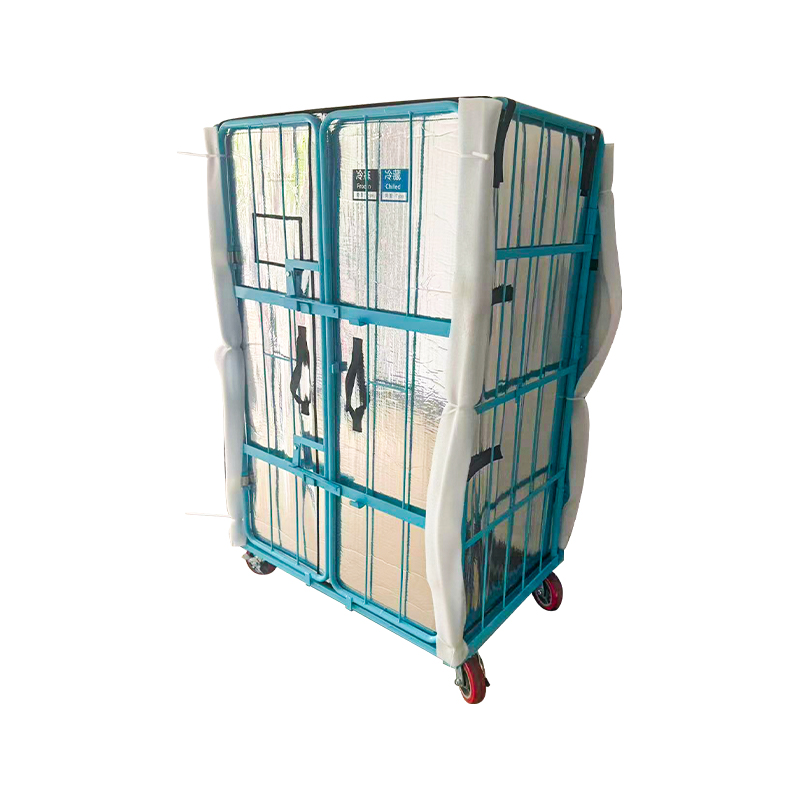
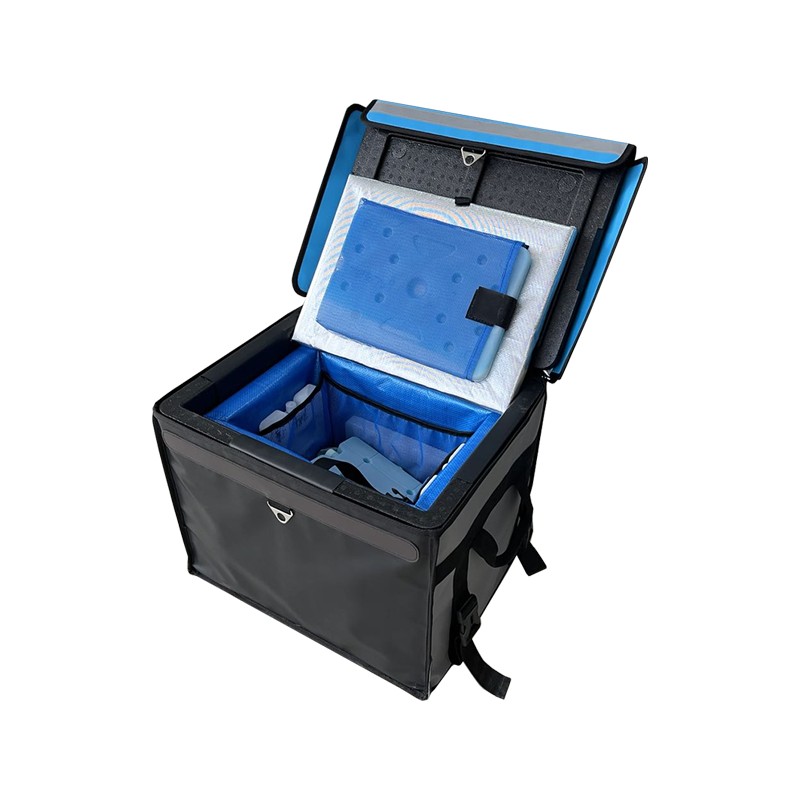
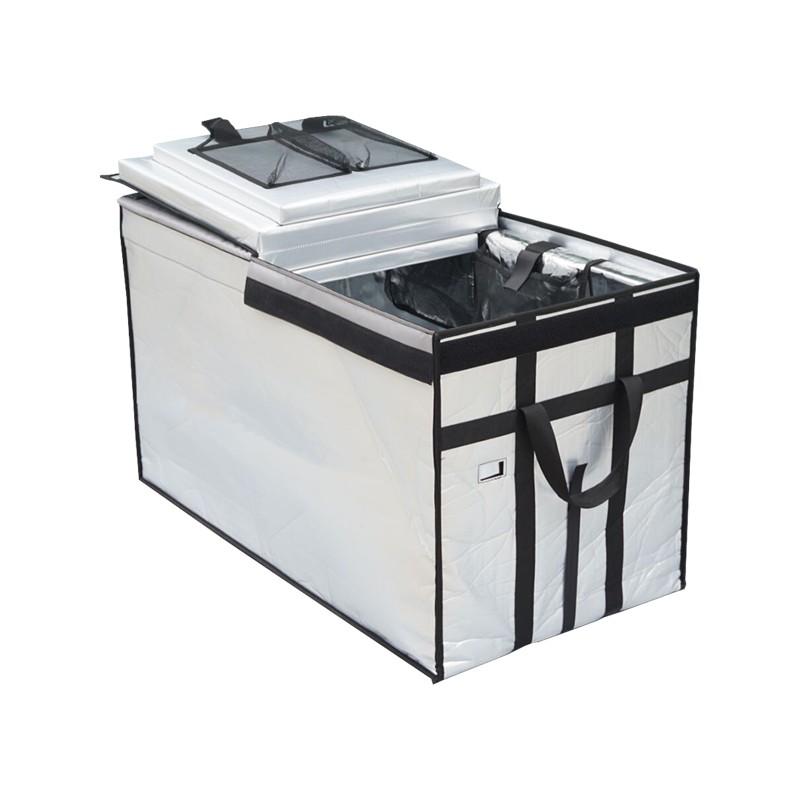
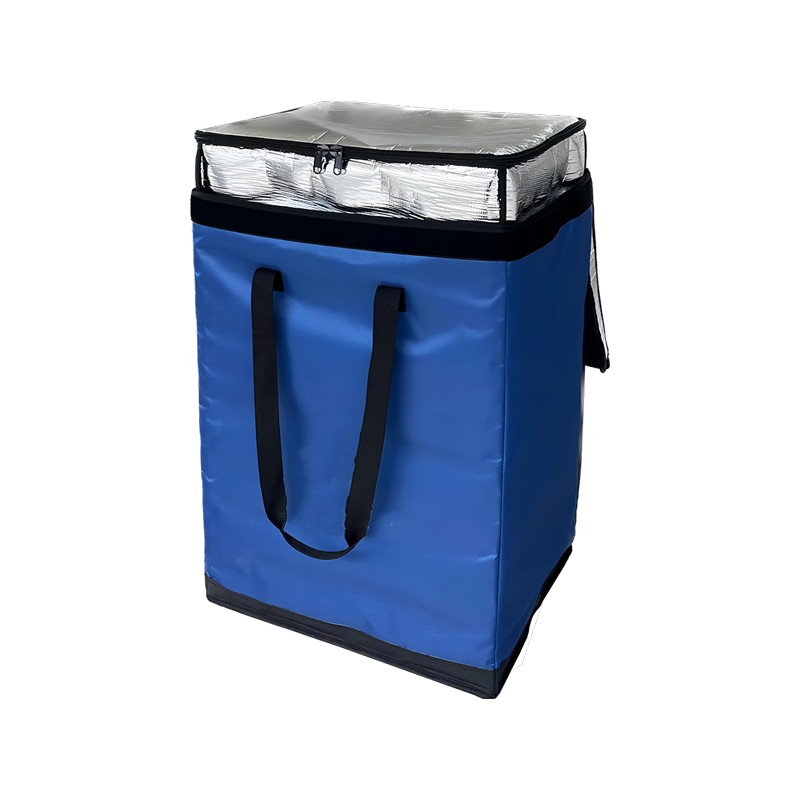
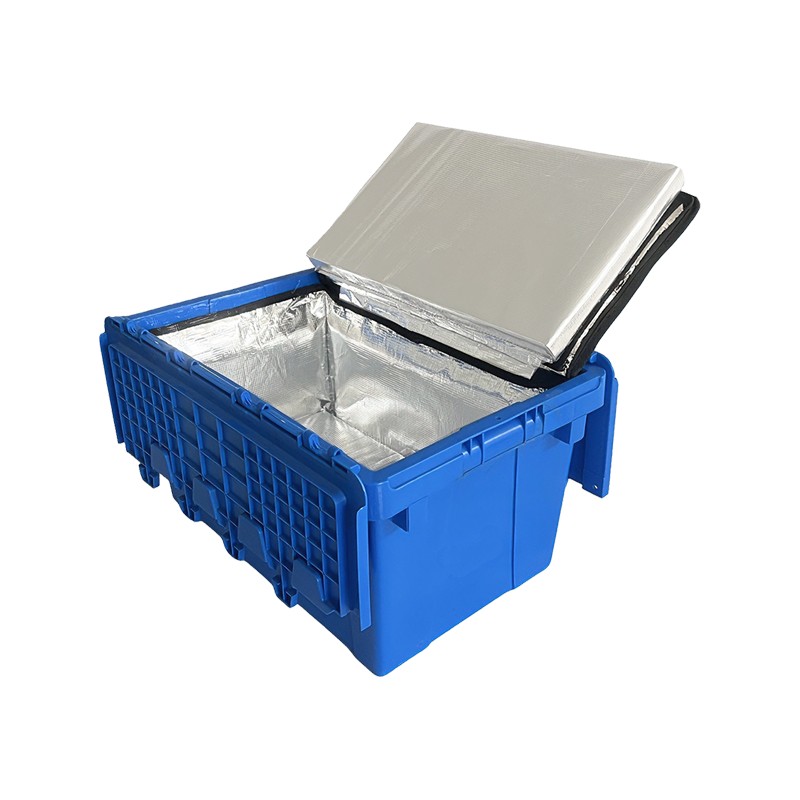
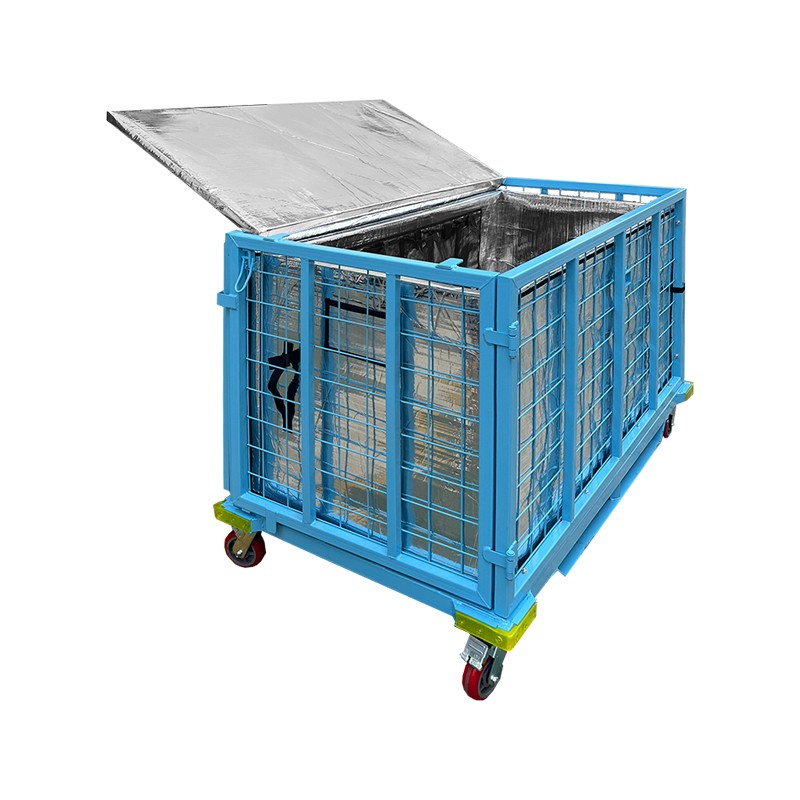
Wholesalers of frozen food, fresh meat, dairy, and pharmaceuticals operate under an extra constraint: the equipment itself has to preserve the cold chain. Insulated roll cage trolleys keep store-ready orders protected during final delivery, deep-freeze insulation boxes hold ice cream and frozen commodities at distribution hubs, and electric-tricycle insulation cabinets cover short urban runs. The same fold-and-stack logic applies as with standard equipment; the difference is that insulation is built into the unit, so temperature control does not depend on extra wrapping, dry ice, or disposable foam.
When a distributor moves from ad-hoc equipment purchases to a structured warehouse solution, the questions asked during procurement decide whether the investment pays back over ten thousand cycles. This checklist prevents the most common mistakes:
For a distributor considering bespoke stillages or specialized racks, what to expect when you order custom logistics equipment is worth reading before the first inquiry. Manufacturer depth matters here: with an annual output of more than 100,000 sets and more than a decade dedicated to metal unit load equipment, Shanghai Betis Logistics Equipment Co., Ltd. builds both standard series and custom designs under one roof.
Wholesale distribution runs on repeatable processes, and repeatable processes need equipment that behaves consistently. The warehouse solution with the fastest payback is built around the actual load profile: foldable wire mesh containers for mixed lots, dedicated steel stillages for heavy and irregular parts, roll cage trolleys for store-ready deliveries, and insulated units where the cold chain has to survive the last mile.
Start by auditing the empty-equipment footprint and counting the number of touches per order. Then choose hardware that reduces both. When containers fold, racks match the load, and each unit is built to survive thousands of cycles, the warehouse stops being a cost center and becomes a measurable competitive advantage.
Copyright © 2024 Shanghai Betis Logistics Equipment Co., Ltd. All Rights Reserved.
 Custom Metal Storage Cages Manufacturers

 English
 中文简体
中文简体 日本語
日本語