Content
Order picking in a warehouse is the moment inventory stops being "stock" and becomes somebody's order. A picker travels to a location, takes the right quantity of the right item, confirms it, and sends it on towards packing and dispatch. In a small operation with a few hundred SKUs it feels routine. Scale that to several thousand order lines a day and the same simple act becomes the tightest bottleneck in the building.
This guide walks through what order picking actually involves, the methods most teams choose between, the equipment that supports them, and the practical levers we have seen move the needle on real warehouse floors.
In the warehouses we visit, picking almost always consumes the largest share of labour hours among the core activities: receiving, put-away, picking and shipping. It is also the process where mistakes travel furthest. An item picked wrong at nine in the morning becomes a return, a credit note and a frustrated customer by Thursday. And unlike a one-off racking investment, picking is a routine that repeats every shift, so small gains in travel distance, container choice and pick sequence compound week after week.
That combination — high labour content, high error visibility, high repetition — is exactly why picking deserves process attention rather than just extra headcount.
Most picking operations, whatever the technology level, follow the same skeleton:
Steps three and five are where most of the time disappears — and they are also the two steps where container and cart design has a very direct effect on how fast a picker can work.
Picking methods are really answers to one question: how many orders should one person handle in one trip? The five below cover the vast majority of what we see in practice.
| Method | How it works | Where it fits |
|---|---|---|
| Single order picking | One picker completes one order from start to finish | Heavy or oversized items, urgent orders, low volume |
| Batch picking | Several orders are picked in one pass and sorted afterwards | Many small orders sharing common SKUs |
| Zone picking | The warehouse is split into zones; pickers stay inside their zone and orders move between them | Large catalogues and dense pick faces |
| Wave picking | Orders are released in scheduled waves timed to cut-offs | Fixed dispatch times and carrier departures |
| Cluster picking | A cart with compartments carries several orders at once | Tote-based e-commerce and multi-line orders |
Most real operations run a blend. A retailer might wave-pick dry goods, batch-pick promotional lines and single-pick furniture. The right starting point is your order profile — lines per order, SKU spread, item weight — not whatever a software demo happened to show.
The biggest structural choice in picking is whether the picker walks to the product or the product comes to the picker. Person-to-goods remains dominant because it is flexible, cheap to change and works with almost any storage type. Goods-to-person systems — shuttles, vertical lifts, carousels — remove travel entirely, but they demand volume, capital and a stable SKU base to justify themselves.
Between the two extremes sit the tools that quietly raise pick rates without a rebuild: handheld scanners with barcode confirmation, pick-to-light displays on the rack face, voice-directed picking for hands-free flows, and simple label discipline at every location. None of these change your layout, yet each one chips away at search time and mis-picks.
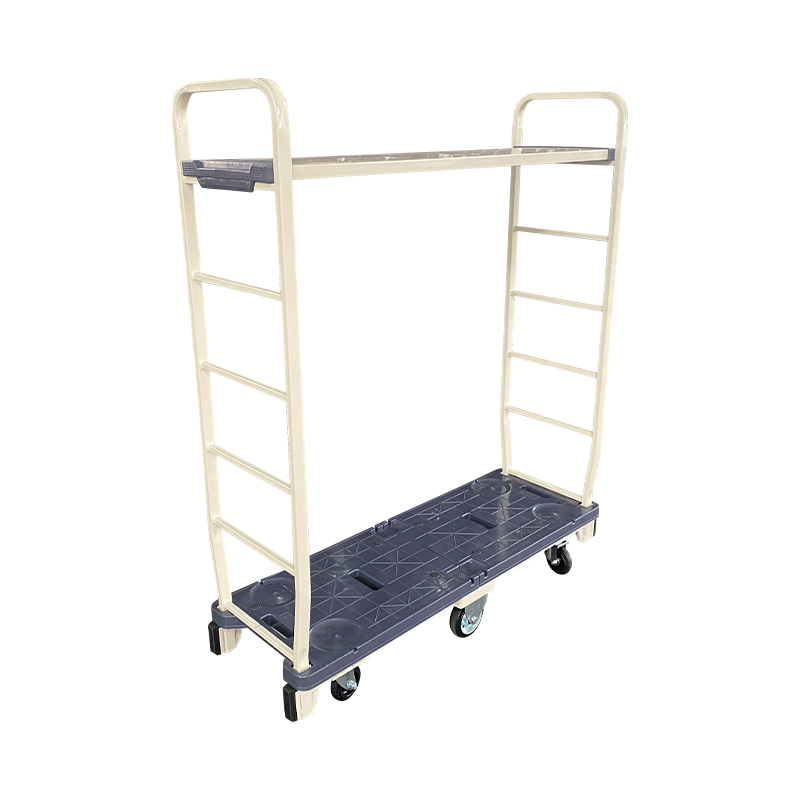
Ask a warehouse manager about picking performance and the conversation usually turns to layout or software. But there is a third layer that shapes the work every single hour: the physical container the order travels in. A picking cart, roll cage or stillage defines what "one pick" actually is, how many orders a picker can carry in one route, and how easy it is to hand goods over to packing without re-touching them.
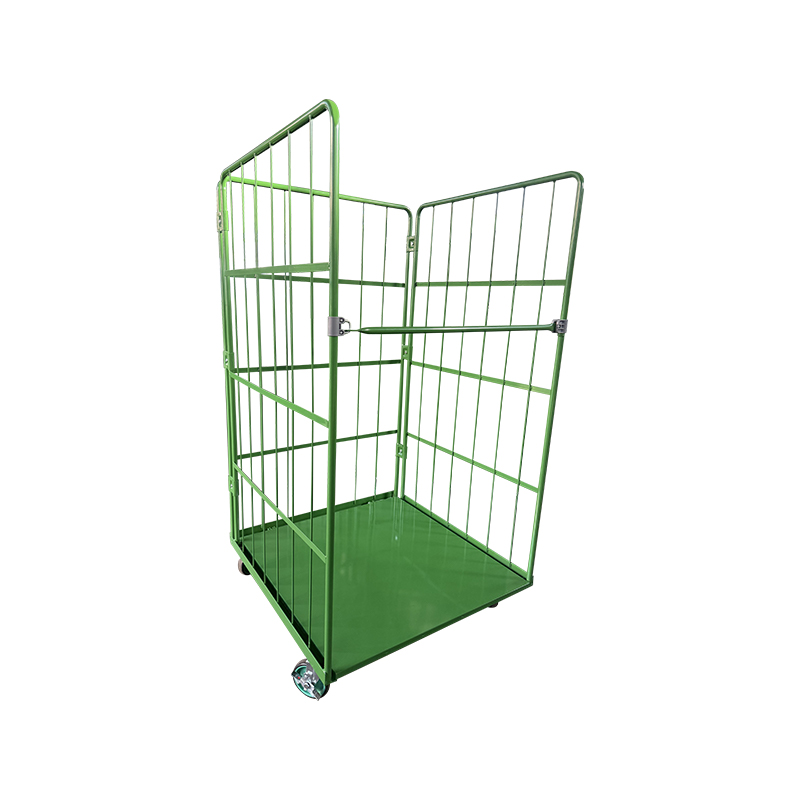
Take a store replenishment flow. If the cage itself becomes the unit of the order, a picker can fill it straight from the pick face and roll it to dispatch with no intermediate step. A Euro-style mesh roll cage trolley that folds flat when empty also solves the return leg — empty cages stack down to a fraction of their loaded footprint instead of eating trailer space.
 Euro-Style Mesh Roll Cage TrolleyFolding mesh trolley with top cover and 500 kg load capacity, suited to store replenishment and return-leg space savings.View Product →
For teams mapping this layer against their own flow, our logistics industry solutions outline how containers, carts and racking are combined in warehouse and distribution environments.
Before changing anything, agree on what "better" means. These are the measures that usually matter most:
Two or three of these, measured consistently, will tell you more than a dashboard of twenty.
For internal movement inside a picking zone — tote boxes, small parts, picked batches waiting for packing — a folding platform truck keeps loads off the floor and off the picker's arms, and folds away when the shift ends.
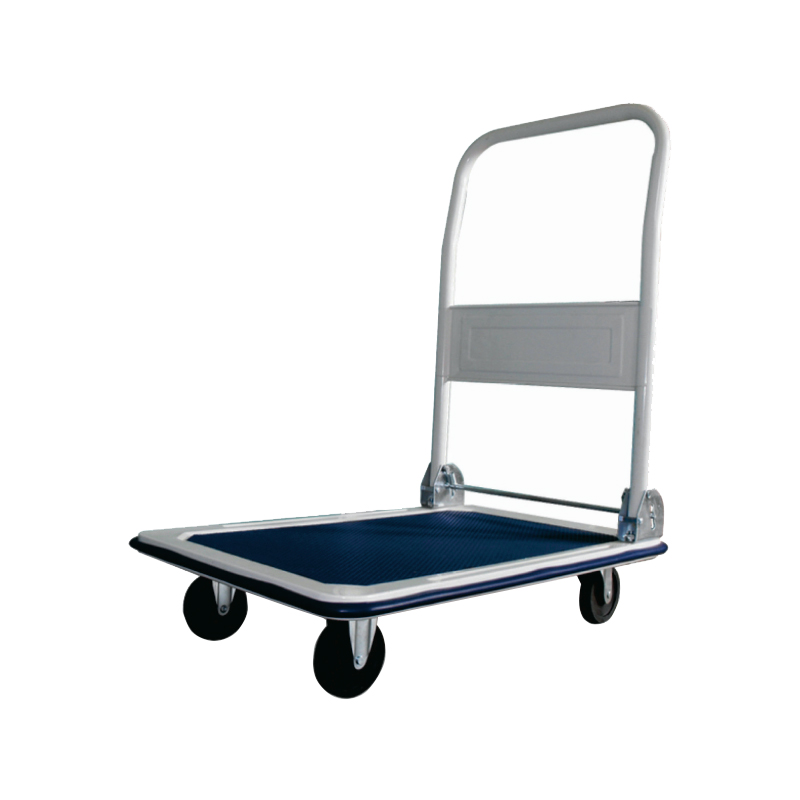 Foldable Platform Truck for Internal Material HandlingFolding platform truck with PVC-edged deck and low-noise casters, useful for moving totes and picked batches inside picking zones.View Product →
If you want a deeper walkthrough of method selection, our own article on order picking methods and equipment goes into more detail on matching flow to layout.
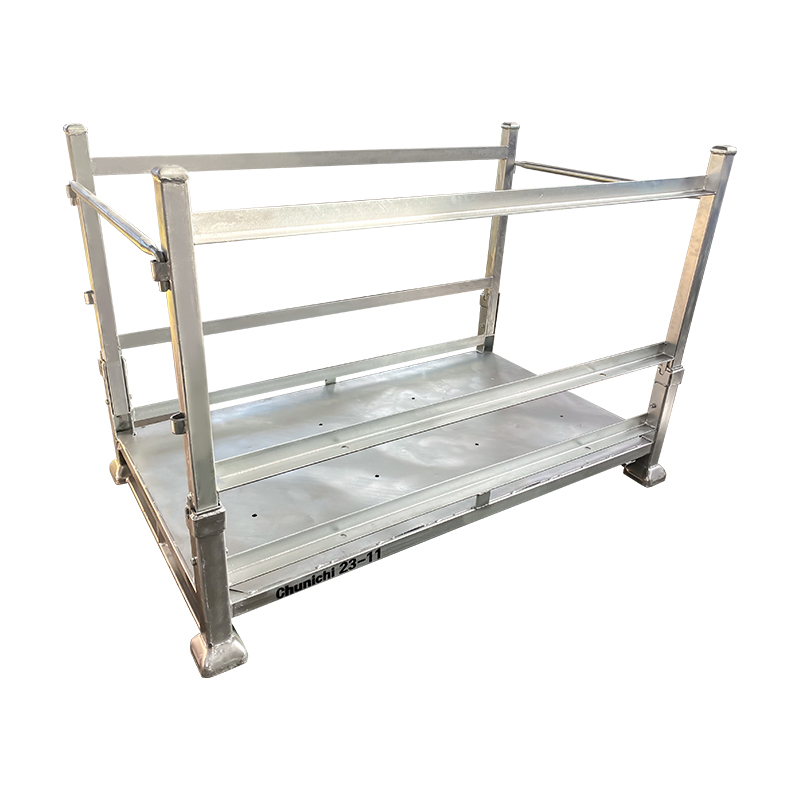
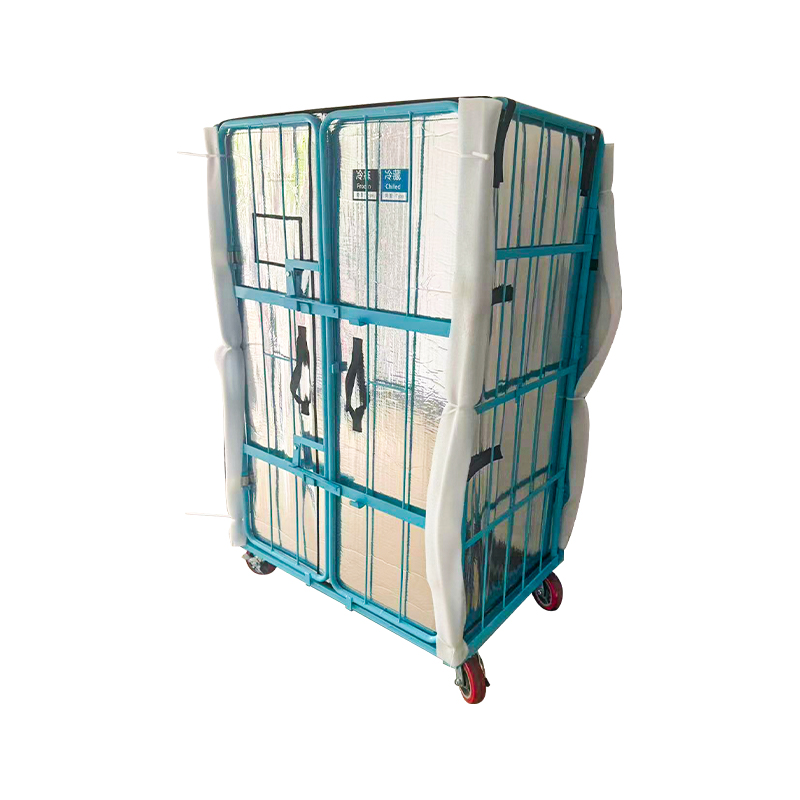
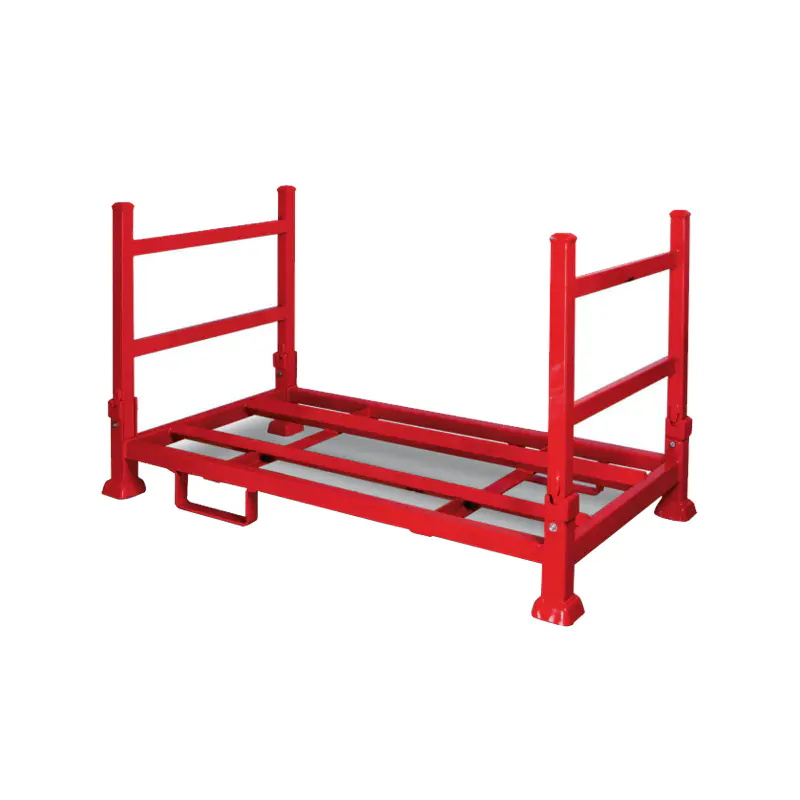
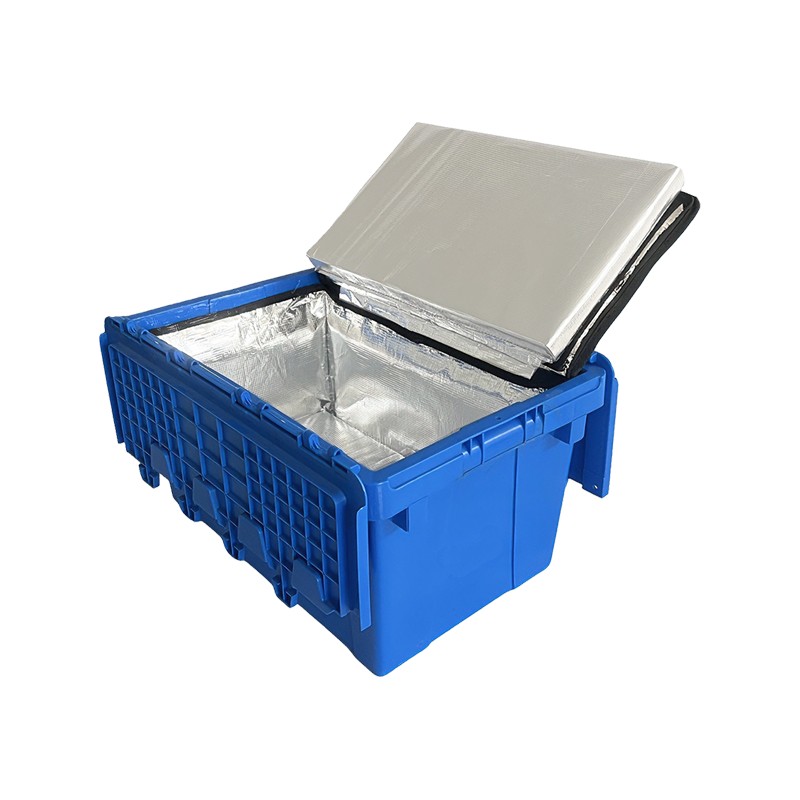
There is no universal picking container, only a container matched to the item. Small parts and electronics want compartmentalised totes and shelving bins. Odd-shaped or bulky components pick well into wire mesh containers, where the open structure keeps contents visible during counting and lets the container fold down for the return trip. Heavy automotive parts call for steel stillages that can be stacked two or three high. Temperature-sensitive orders need insulated containers that hold the cold chain through the last leg.
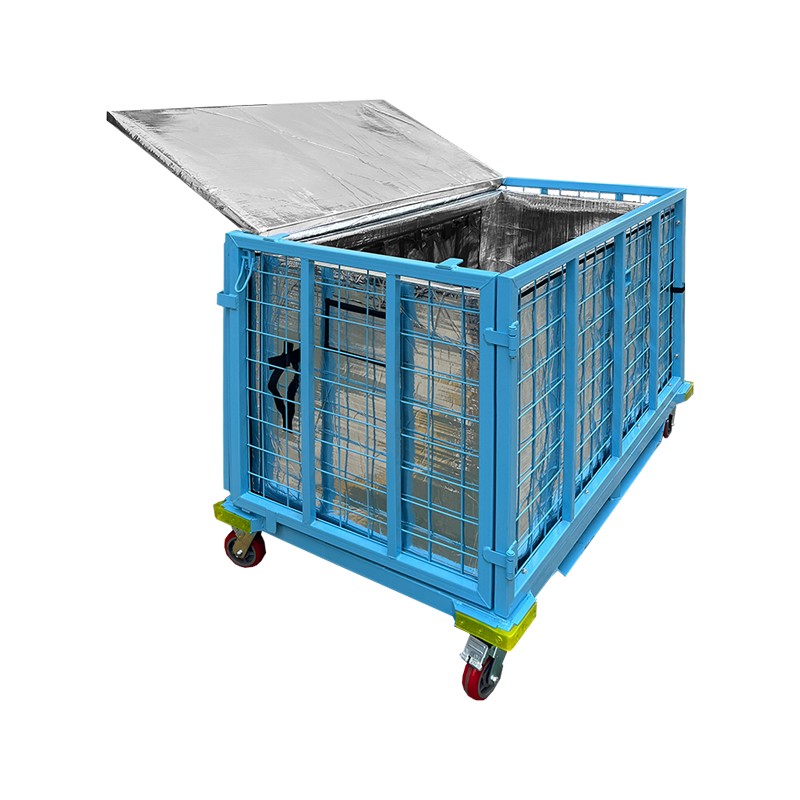
A folding metal wire mesh container is a good example of a general-purpose option: it handles loose and irregular goods, supports quick visual checks at the packing bench, and collapses when empty so the truck bringing the next delivery is not carrying air.
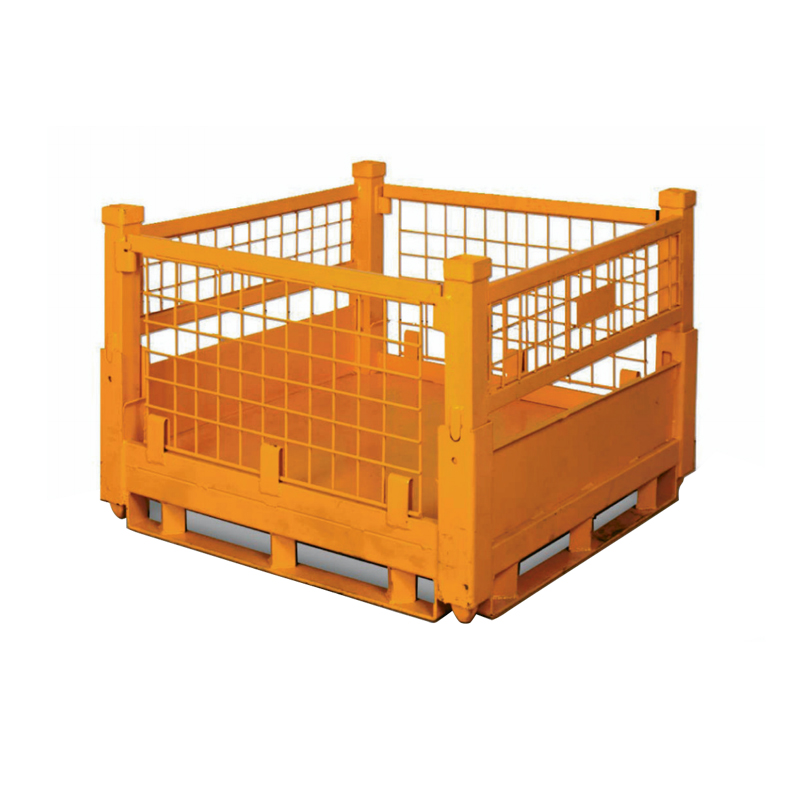 Folding Metal Wire Mesh ContainerCollapsible, stackable mesh stillage with 1,000 kg load capacity, suited to loose goods, packing checks and empty return space savings.View Product →
Order picking rewards patience more than heroics. Map the current flow, measure two or three honest metrics, fix travel and search first, and only then look at automation. The equipment layer — carts, cages, stillages and containers — is where many operations find the cheapest improvement, because it changes the shape of the work without touching the building.
We have been building metal unitised logistics containers since 2014, with annual output above 100,000 sets and a team that spends its days matching containers to real picking and transport flows. If you are rethinking how orders move from pick face to dispatch, we are glad to talk it through.
Copyright © 2024 Shanghai Betis Logistics Equipment Co., Ltd. All Rights Reserved.
 Custom Metal Storage Cages Manufacturers

 English
 中文简体
 日本語