Content
Material handling and storage is one of those phrases that sounds technical until you stand on a busy warehouse floor. Then it becomes very practical: where does the product wait, how does it move, who touches it, and how quickly can the space be reset for the next batch? Companies rarely have a single problem. They have a flow problem, a space problem, and a damage problem that meet somewhere between the receiving dock and the shipping door.
At Shanghai Betis Logistics Equipment, we have spent more than a decade building metal unit-load containers and handling equipment for exactly that intersection. The most effective systems are not the ones with the most equipment. They are the ones where the container, the rack, the trolley, and the transport method are designed to work as one loop.
Storage keeps goods protected and organized. Handling moves them between processes without unnecessary lifting, reaching, or re-packing. When the two are planned separately, hidden costs appear: double handling, empty return journeys, damaged edges, blocked aisles, and containers that take up more space when empty than when full.
A good storage position is temporary by design. Raw materials arrive, get inspected, move to a line-side position, become work in progress, then finished goods, then a shipment. Each stage changes the unit load. A steel stillage that is perfect for a stamping line may be the wrong choice for a mixed retail replenishment run. A wire mesh container that gives excellent visibility in a small-parts store may not protect a polished surface in the same way as a solid-sided container.
The practical question is therefore not “What kind of rack should we buy?” It is “What is the load, how often does it move, and what has to happen to it at each stop?” That answer determines whether you need a stackable container, a foldable stillage, a roll cage, a platform truck, or a combination.
Most material handling and storage equipment falls into a small number of families. Each family solves a different part of the flow. The table below is a practical starting point for matching the family to the job.
| Equipment family | Best for | Storage benefit | Handling benefit | Typical industries |
|---|---|---|---|---|
| Wire mesh containers | Loose parts, bags, small components | Stackable, visible inventory | Forklift or pallet-truck movement | Automotive, electronics, general manufacturing |
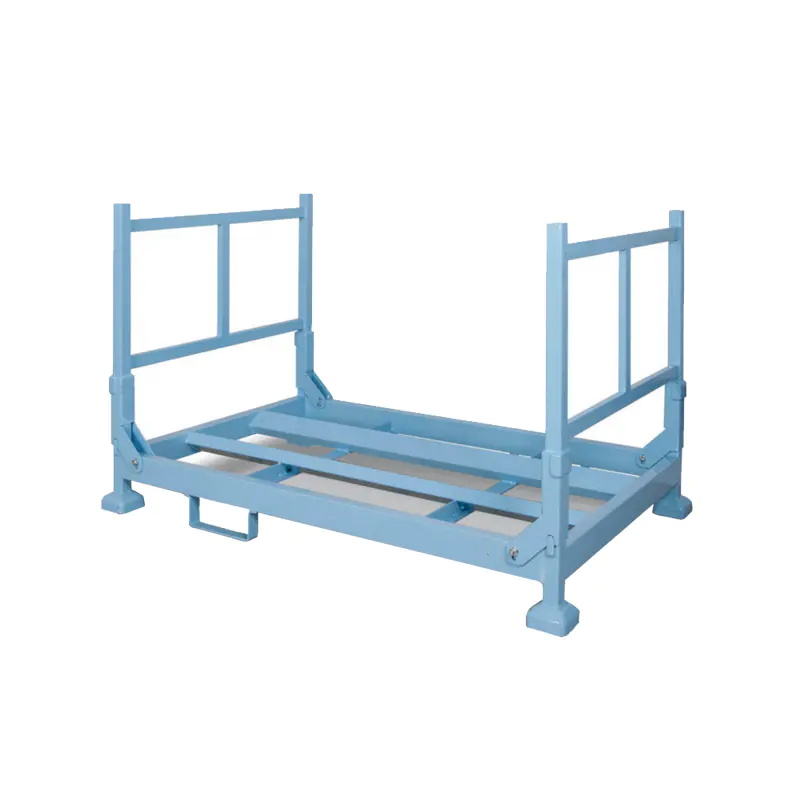
| Foldable steel stillages | Heavy or structured parts | Dense cube storage; folds down when empty | Line-side feed and work-in-progress movement | Automotive, machinery, packaging |
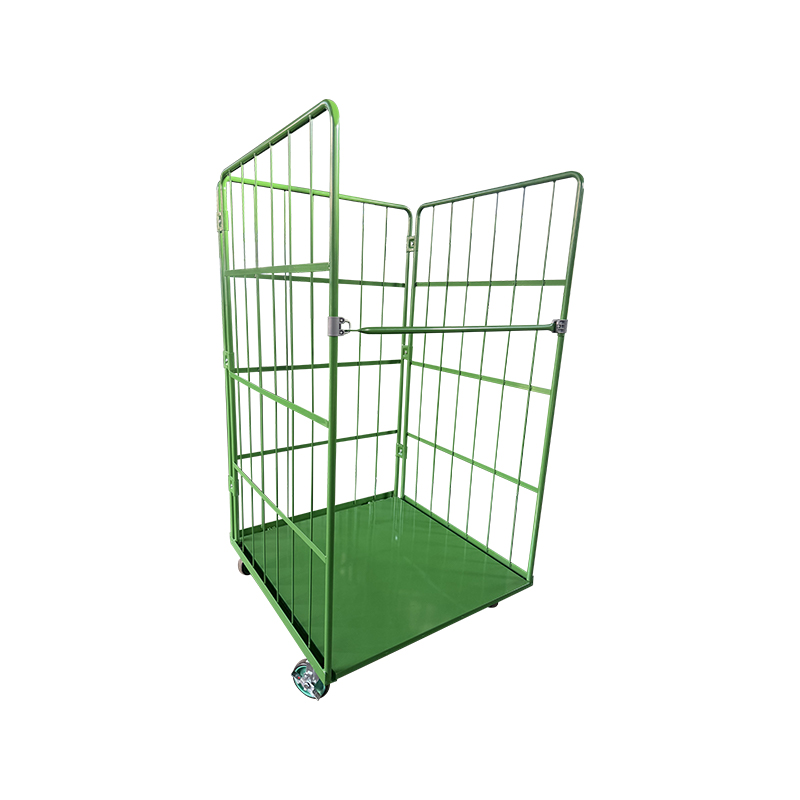
| Roll cages | Mixed picks, retail replenishment, parcels | Vertical storage and easy segregation | Manual and powered movement | Retail, logistics, food distribution |
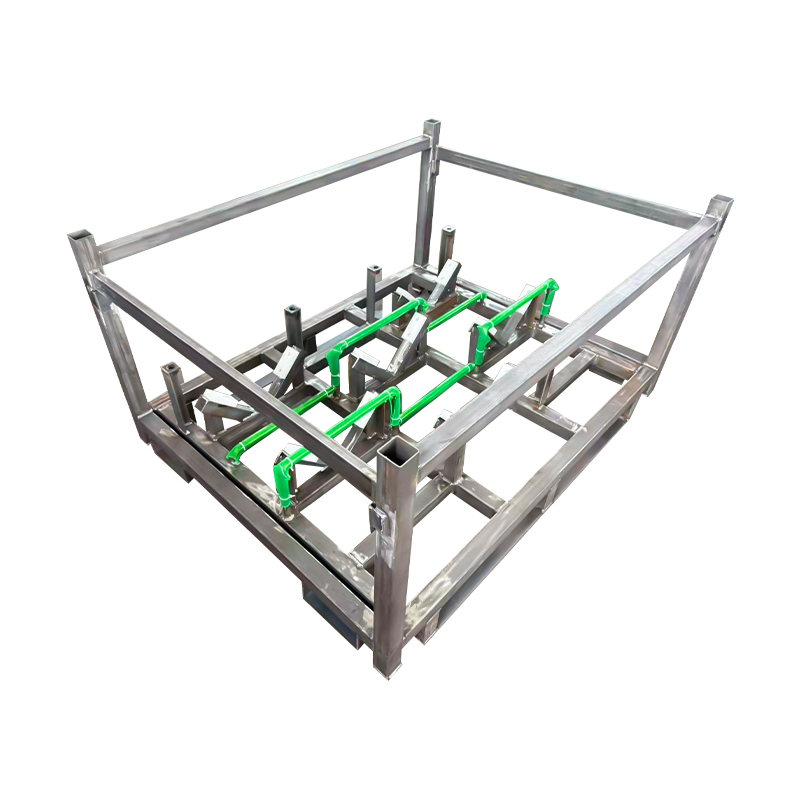
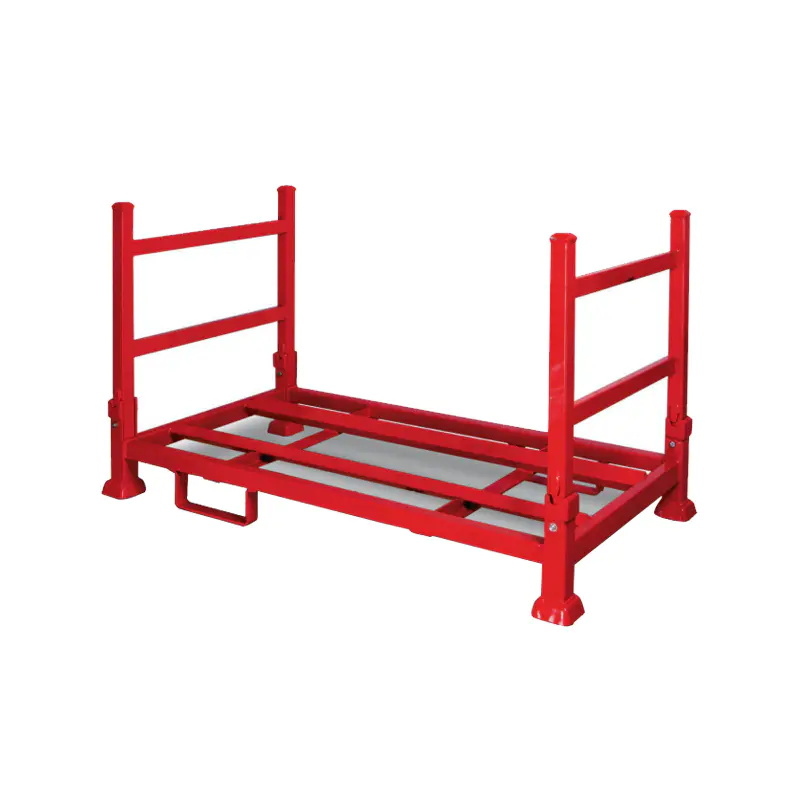
| Stacking racks | Long, bulky, or irregular loads | Multi-level storage without fixed racking | Forklift or overhead handling | Manufacturing, metalworking, tires |
| Tire racks | Tires and wheel assemblies | Vertical tire storage and locating | Manual or forklift movement | Tire manufacturing and distribution |
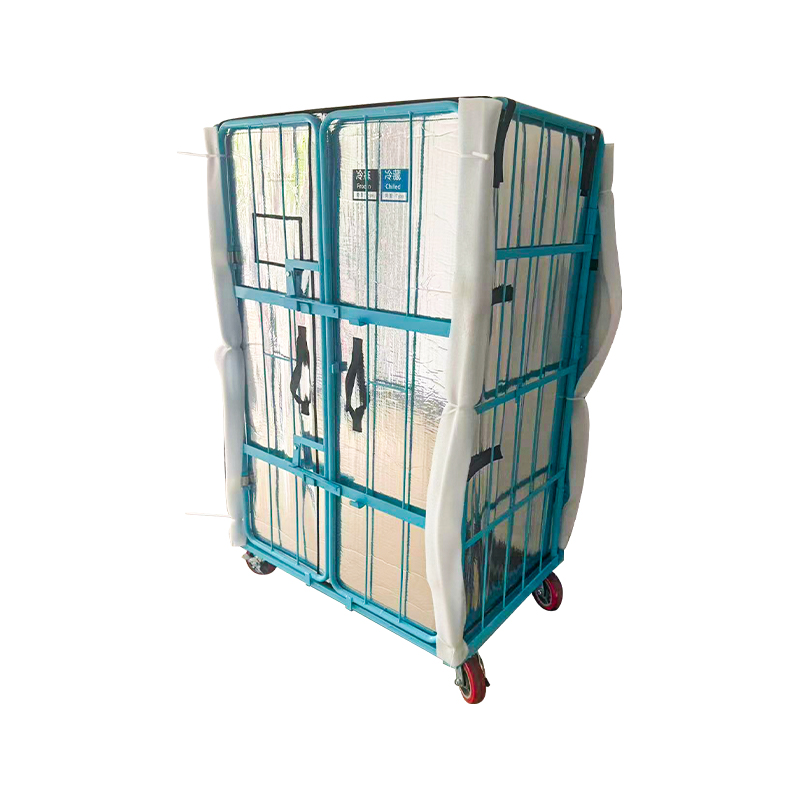
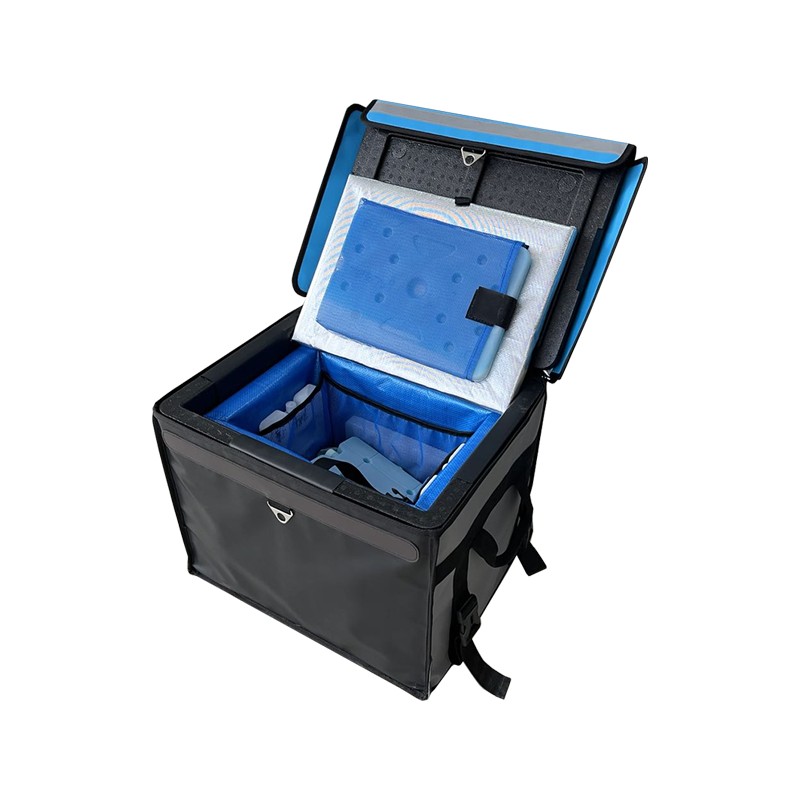
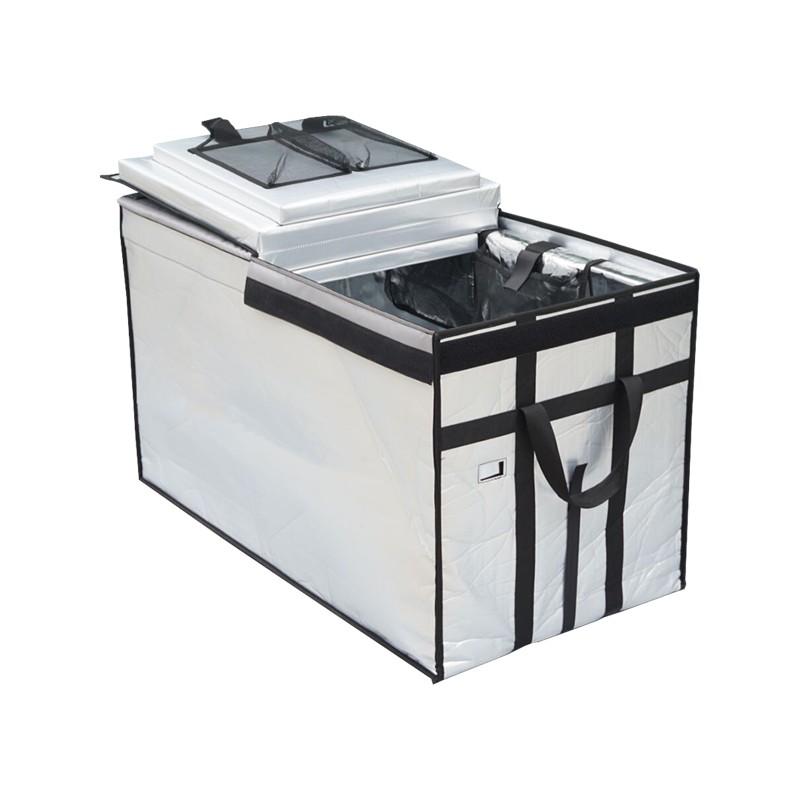
| Cold chain boxes and cabinets | Temperature-sensitive goods | Insulated storage at the point of use | Last-mile and long-haul transport | Food, retail, pharmaceutical logistics |
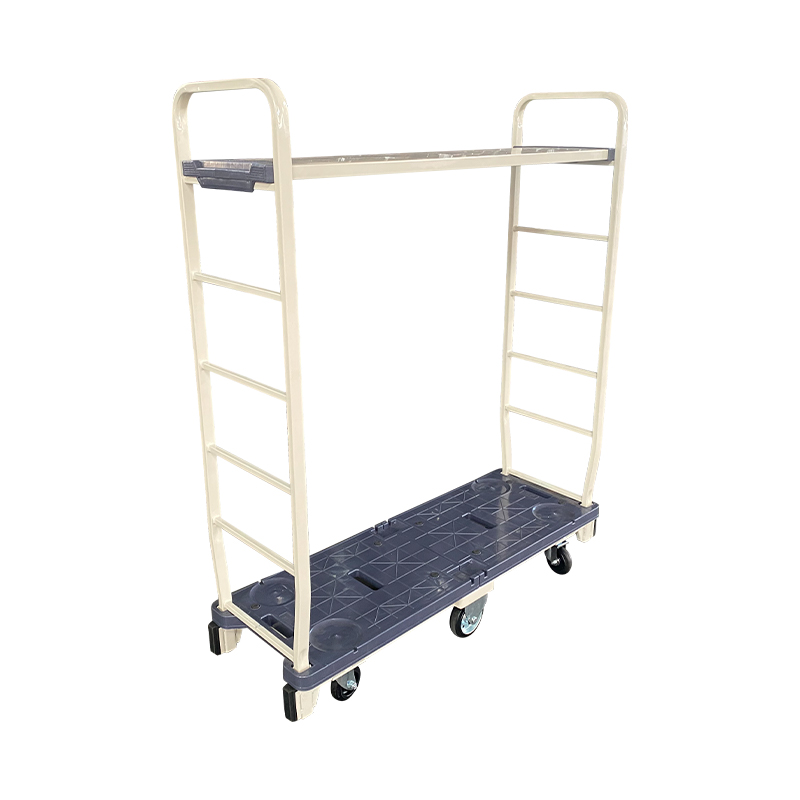
| Platform trucks and dollies | Totes, boxes, and palletized loads | Mobile storage positions | Manual movement in tight areas | Warehouse, retail, office, light industry |
The table is deliberately broad. In real projects, the boundaries blur: a roll cage may act as a mobile storage position, a stillage may become a line-side work surface, and a stacking rack may replace fixed racking in a rented building where floor loading or lease terms limit permanent installations.
A unit load is the smallest stable group of product you want to move or store as one item. Get it right and the equipment choice becomes much easier. Get it wrong and every downstream decision inherits the problem.
This sequence sounds obvious, but it is where most avoidable costs hide. A container that saves 10 percent of floor space when full but costs an extra truck trip when empty may not be the cheaper choice over a year.
Storage decisions are usually a trade-off between density and access. High-density storage reduces floor space per item but can slow retrieval. High-access storage speeds picking but may consume more aisle space. Foldable and stackable equipment gives a third option: change the shape of the storage when it is not in use.
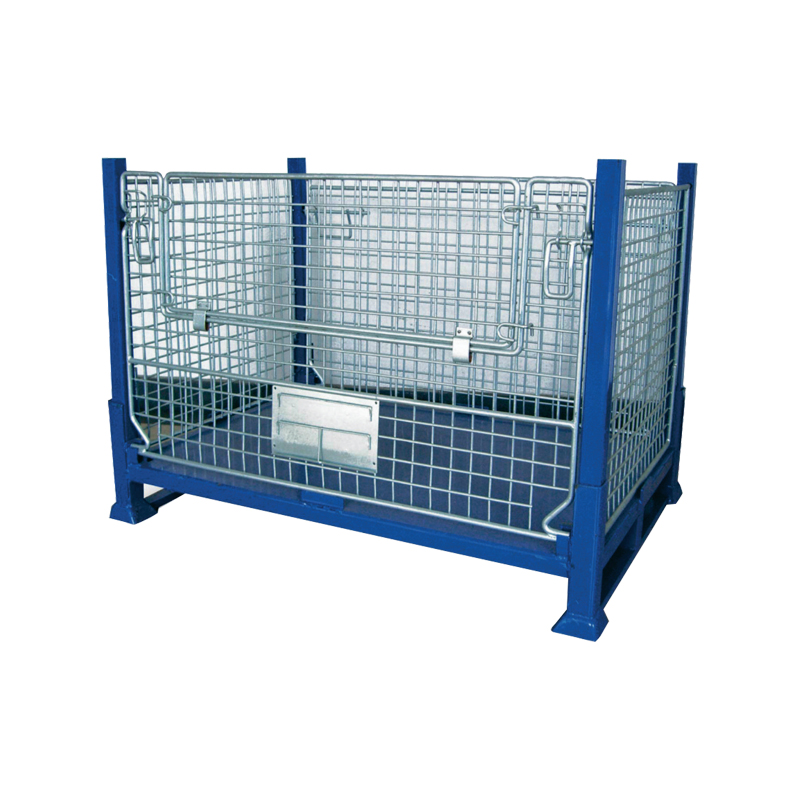 Euro Foldable Steel Stillage for Stackable StorageCollapsible steel stillage with 800 kg load capacity and four-level stacking, suited to space-saving storage and return transport when empty.View Product →
Foldable steel stillages are a good example. Loaded, they create a stable unit load that can be stacked or moved by forklift. Empty, they fold into a compact footprint, which reduces return transport costs and frees up yard or warehouse space. For operations with seasonal peaks or unbalanced inbound and outbound flows, that flexibility can matter as much as the load rating.
The safest handling operation is the one with the fewest manual touches. Roll cages and trolleys are useful because they combine a storage position with a movement device. Product can be picked into the cage, moved to the next area, and held there without being unloaded and reloaded.
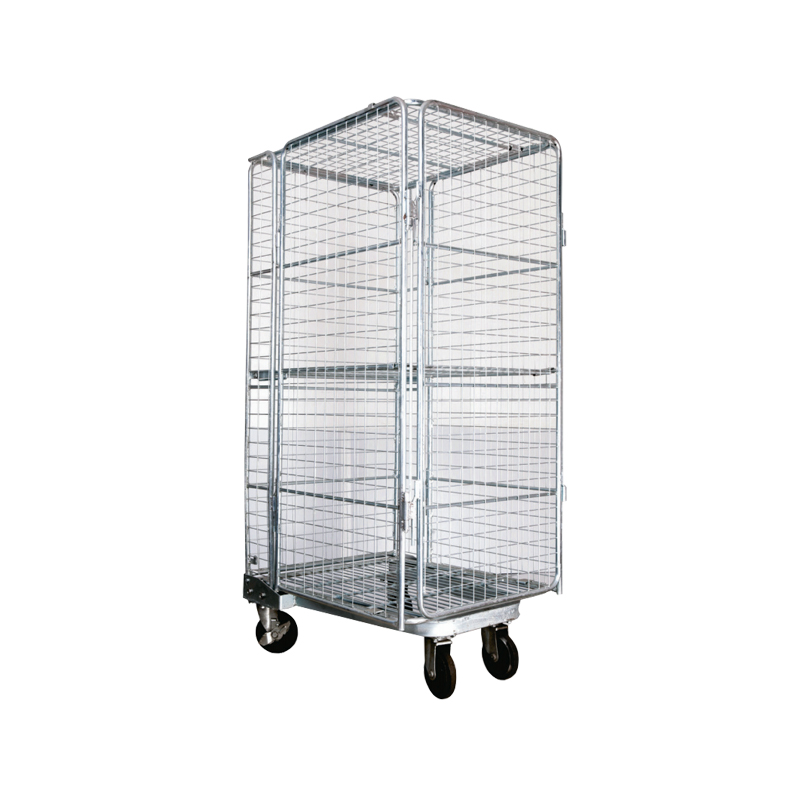 Euro-Style Mesh Roll Cage TrolleyFoldable galvanized mesh trolley with 500 kg capacity, four-sided mesh and top cover, combining storage with movement in retail and logistics.View Product →
Euro-style mesh roll cages are widely used in retail and logistics because they support mixed loads, provide visibility, and can be moved by one person when the load is stable and the route is clear. The important specification points are wheel type and floor condition, the ratio of load height to base width, and the behavior of the cage when it is part-loaded. A cage that is stable at full load can become top-heavy during picking if the heavy items are placed at the top.
Platform trucks and plastic pallet dollies solve a different problem: short, flat movements where a full cage is unnecessary. They are not a substitute for a roll cage on a long route, but they can reduce lifting and carrying in packing, dispatch, and retail backrooms.
Small parts create a special kind of disorder. They are easy to store and easy to lose. Wire mesh containers provide a middle ground between open bins and closed boxes: the contents are visible, air can circulate, and the container can usually be stacked or moved as a unit.
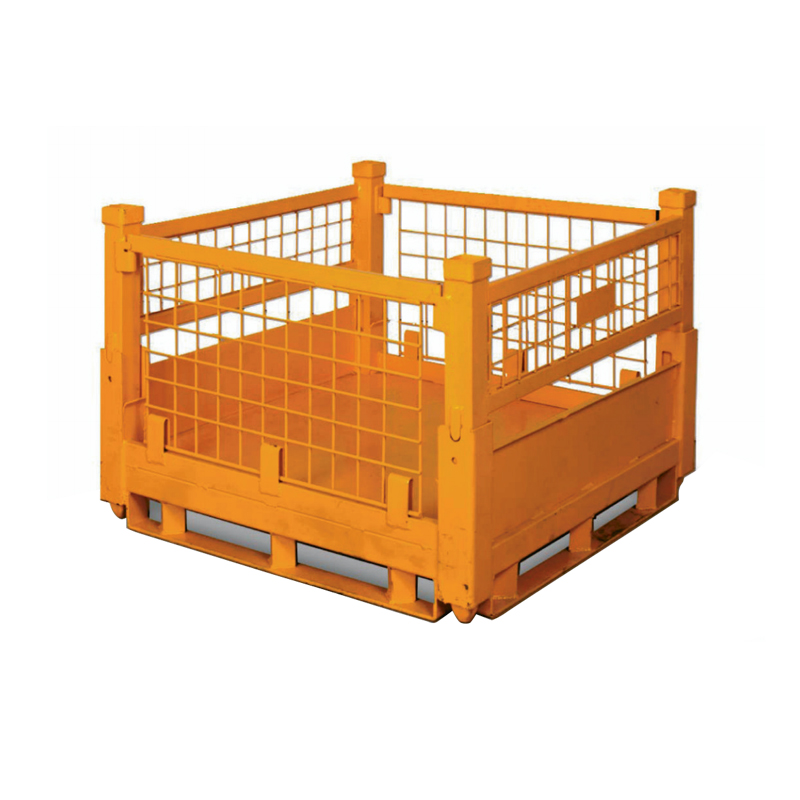 Folding Metal Wire Mesh Container for Small PartsFoldable mesh stillage with 1000 kg load capacity and stackable tapered-foot design, offering visible containment for small parts and warehouse handling.View Product →
For automotive, electronics, and general manufacturing, the choice between mesh and solid containers often comes down to protection. Mesh is excellent for visibility and quick inventory checks. Solid sides are better where parts must be shielded from contamination, light, or impact. In some operations, the answer is a mixed fleet: mesh for internal WIP, solid containers for external shipments.
Whatever the container type, standardize the footprint and the stacking interface wherever possible. A fleet of containers that stack together and fit the same truck or rack opening will usually outperform a collection of one-off designs, even if each individual design is excellent.
Automotive operations tend to have heavy, shaped parts and tight line-side space. Engine racks, door-frame stillages, bumper containers, and stamping-part racks are not generic storage boxes. They are work-holding devices that must protect surfaces, locate the part repeatably, and fit the handling method at the line. You can see the range of configurations in our automotive parts storage solutions.
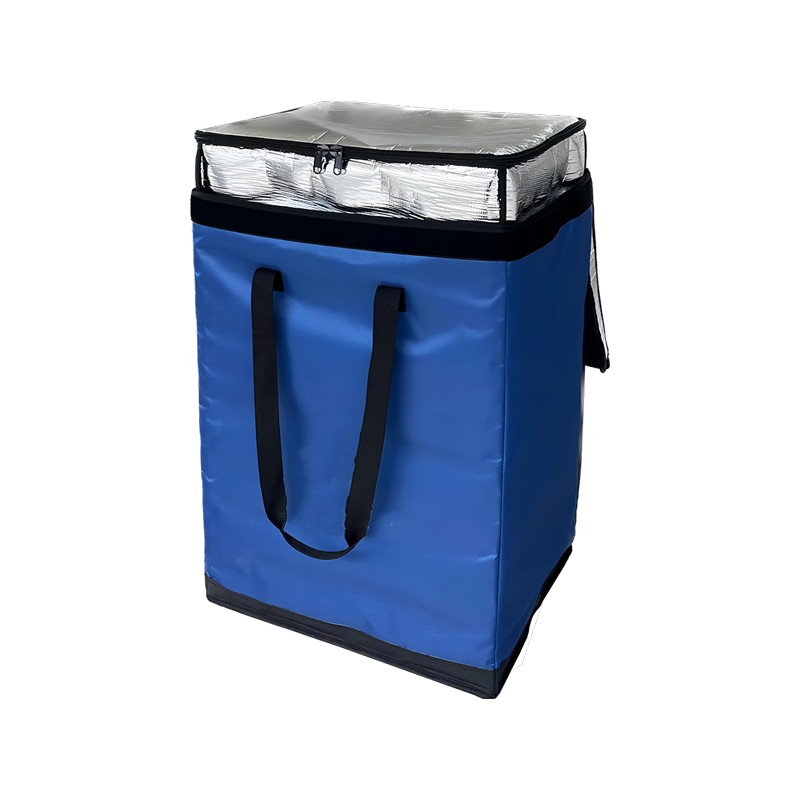
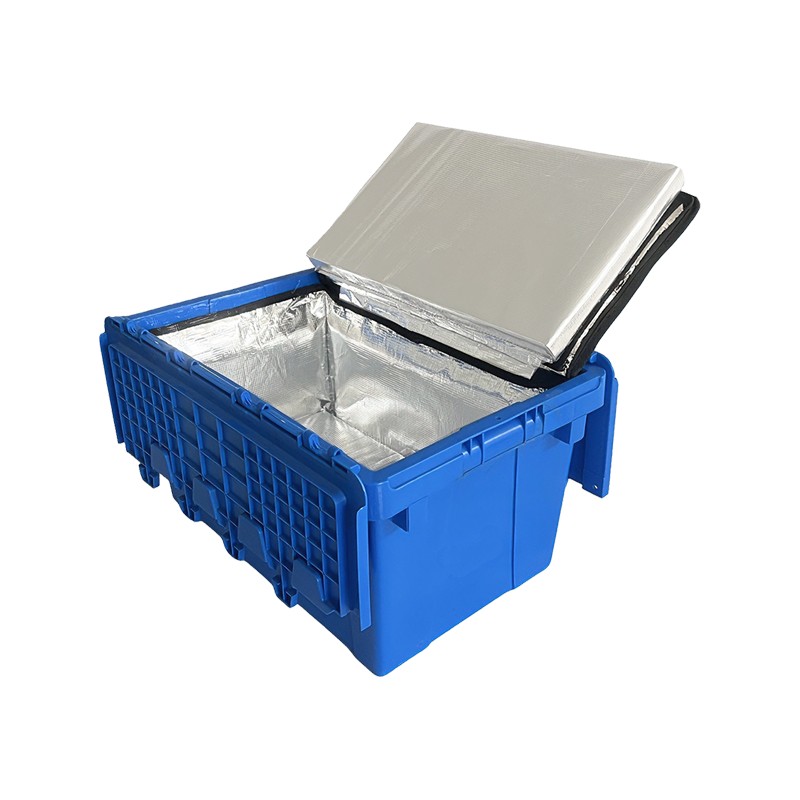
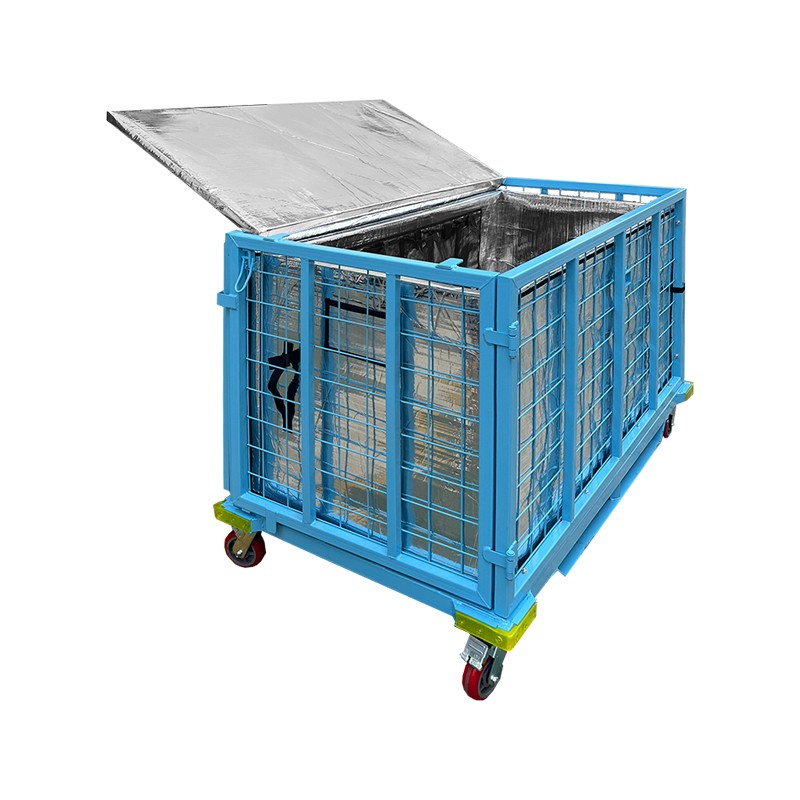
Temperature-sensitive goods add insulation and hygiene to the specification. A cold chain container must hold temperature long enough for the route, survive repeated loading and cleaning, and fit the vehicle or store handling equipment. For short retail replenishment, a trolley insulation cover or a supermarket cage cover may be enough. For longer routes, a heavy-duty insulated box or cabinet is more appropriate.
Retail flows favor roll cages, replenishment trolleys, and containers that can move between the backroom and the sales floor. Tire operations favor vertical storage and locating racks, because tires are awkward to stack flat and difficult to count when they are buried in a pile. In both cases, the storage method should make the next task faster, not just make the current pile neater.
For a deeper walk-through of equipment categories and selection logic, our guide to warehouse material handling equipment covers the wider system view, including how storage and handling choices interact with layout and picking.
Most of these mistakes are cheaper to fix at the specification stage than after the equipment is in service. A simple load trial, a route walk, and a review of the empty return flow will expose more than a catalog comparison.
Standard equipment covers a large share of material handling and storage needs, but not all of them. When a part has an unusual shape, a line-side position has limited clearance, or a container must fit an existing rack and truck, customization becomes a practical requirement rather than a luxury. Our experience since 2014 has been built around metal unit-load equipment, with production capacity of more than 100,000 sets per year and a team of more than 50 people supporting design, production, and quality control.
The most useful customer brief is not a drawing. It is a description of the flow: what is moved, how often, by what method, through what space, and what happens when the container is empty. From there, the equipment specification can be developed around the real constraint instead of a generic assumption.
Material handling and storage works best when it is treated as one system. The container, the trolley, the rack, and the truck should all agree on the same unit load. When they do, storage becomes denser, handling becomes safer, and the empty return journey stops being an afterthought. Start with the load and the flow, choose the equipment family that fits, and standardize only after the trial has proved the choice.
Copyright © 2024 Shanghai Betis Logistics Equipment Co., Ltd. All Rights Reserved.
 Custom Metal Storage Cages Manufacturers

 English
 中文简体
中文简体 日本語
日本語