Content
Pharmaceutical storage rarely fails dramatically. It fails quietly: a pallet left too long on a warm dock, a returned consignment parked next to released stock, a container that traps condensation between deliveries. That is why pharma storage solutions should be judged less on how many square metres they fill and more on how consistently they hold four things — temperature, cleanliness, identification and load integrity.
Shanghai Betis Logistics Equipment has been manufacturing metal unitized containers and insulated cold chain equipment since 2014, and the questions our customers raise about pharmaceutical handling have shaped a good deal of that work. This guide walks through the formats that hold up in practice, where each one belongs, and the details worth checking before you place an order.
Every storage decision in a pharma operation traces back to one of four conditions. A container that satisfies all four is usually worth its price; one that satisfies three will quietly create work somewhere else.
Notice what is missing from that list: shelf height, colour and price. They matter, but they come after the conditions above.
A single warehouse may need three or four different formats, because receiving, bulk storage and delivery put different demands on the same goods. Our pharmaceutical logistics overview groups these stages the way most operations experience them.
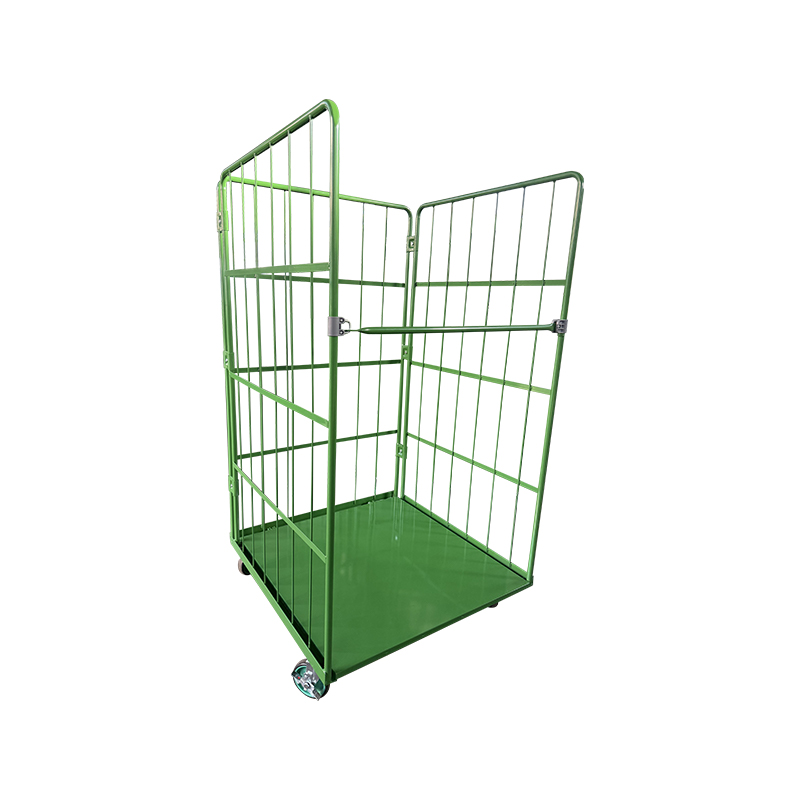
Incoming goods arrive faster than QA can release them, so unverified stock needs a clearly marked home. An open mesh cage works well here: a supervisor can see what is waiting without opening every door, and the cage can be moved out of the way once the batch is released.
For cartons, drums and packaging components, stackable steel stillages and mesh containers turn racking space into discrete, movable units. Folding versions pay for themselves on the return leg, when the same truck that delivered full containers brings back a fraction of the volume.
The last few hours are the hardest. Once a tote leaves the temperature-controlled room, everything depends on insulation, pack-out discipline and how often the lid is opened on the route.
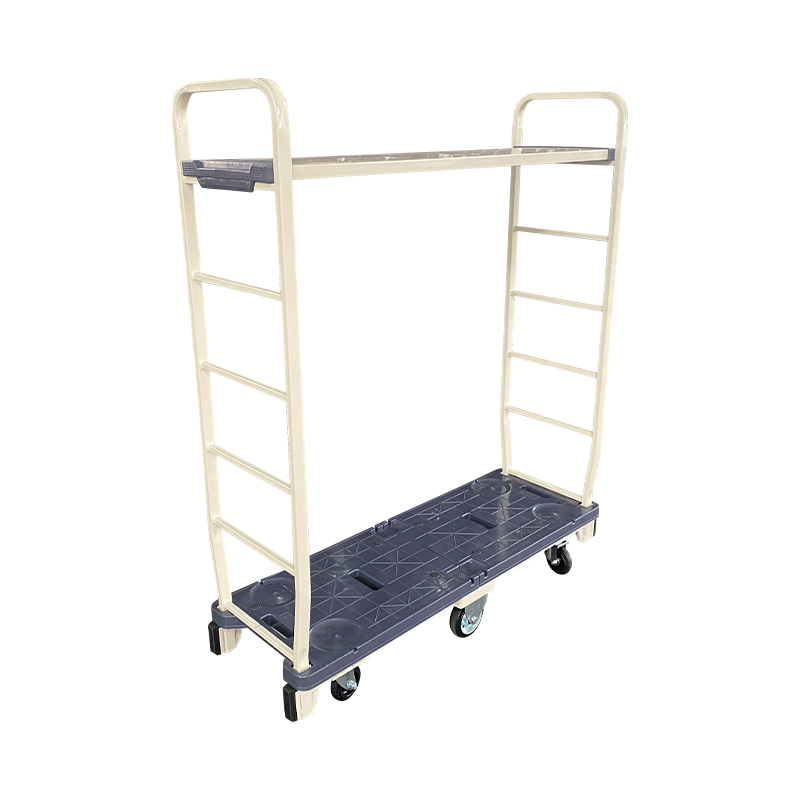
Small mobile units — roll cages, dollies and compartmentalised stillages — keep picking and replenishment in the same motion, which reduces the number of times a box is handled before it reaches the patient-facing shelf.
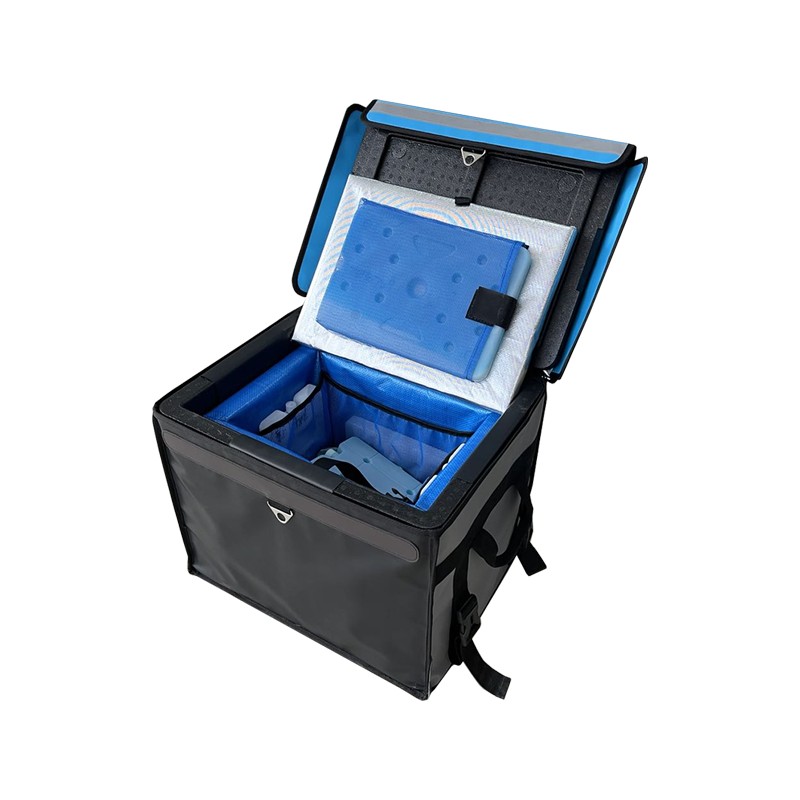
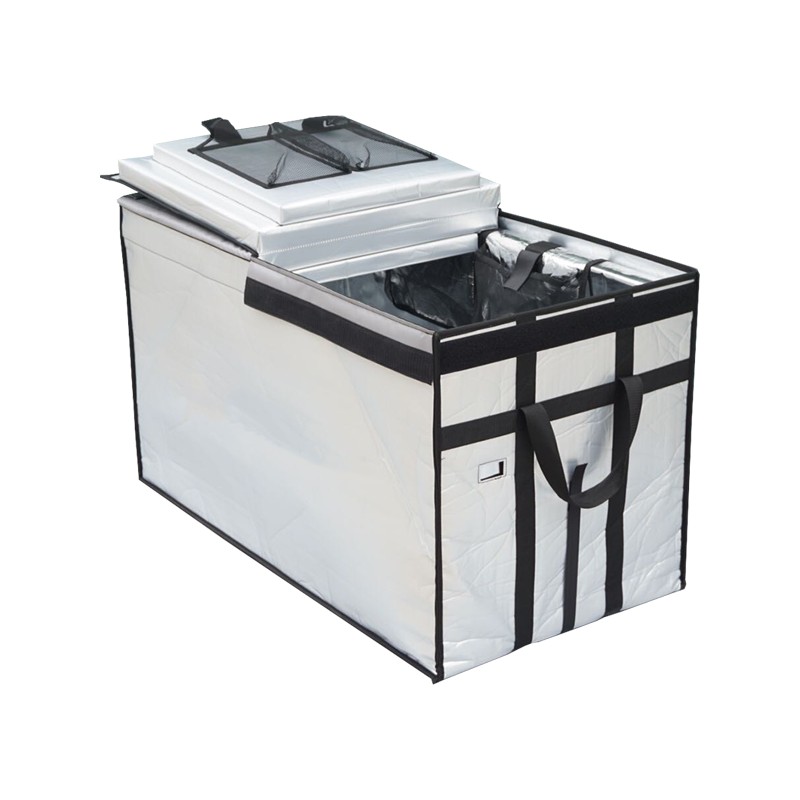
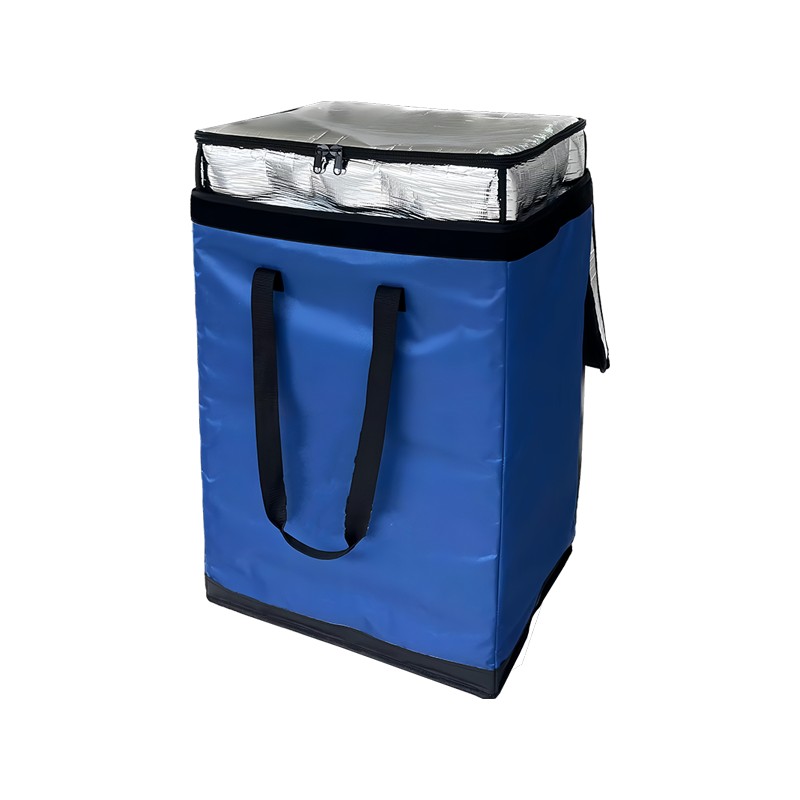
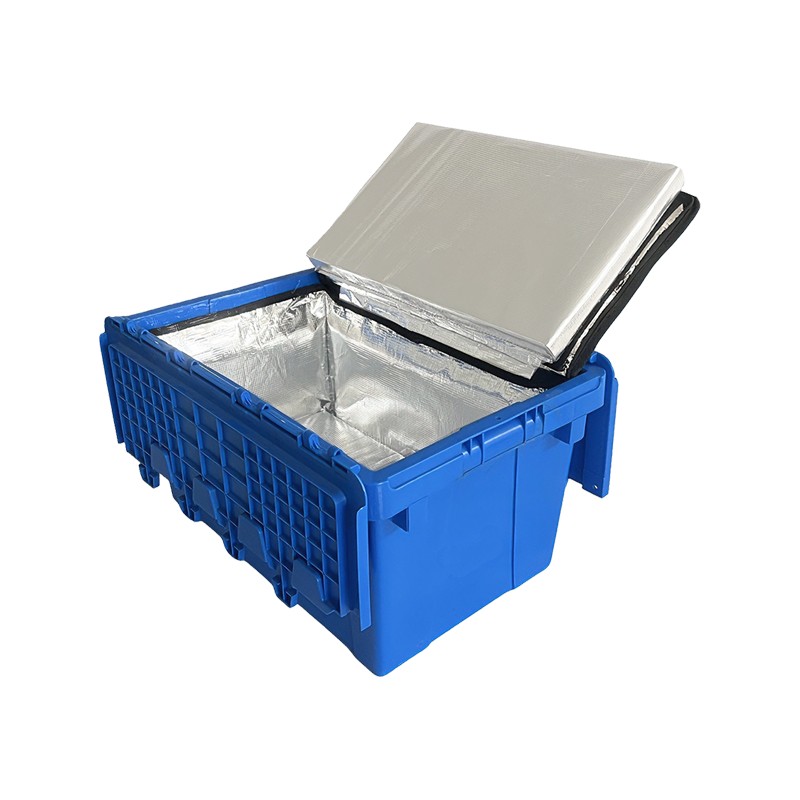
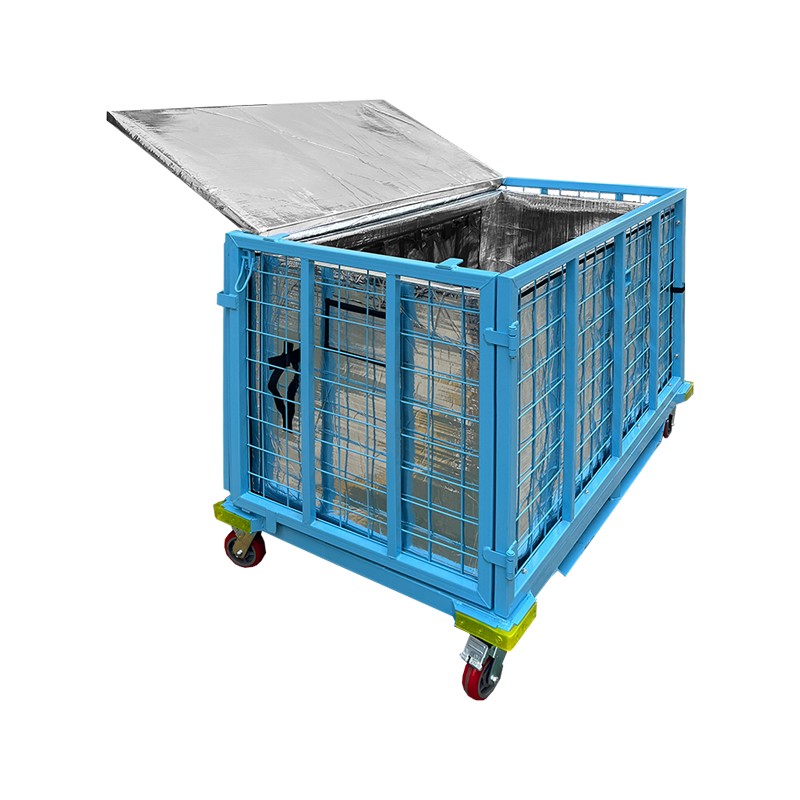
An insulated cabinet is a system, not a box. Its performance depends on wall thickness, the seal around the lid or door, the mass and placement of gel packs, and how often the door is opened. Two cabinets of identical outer size can behave very differently across an eight-hour run.
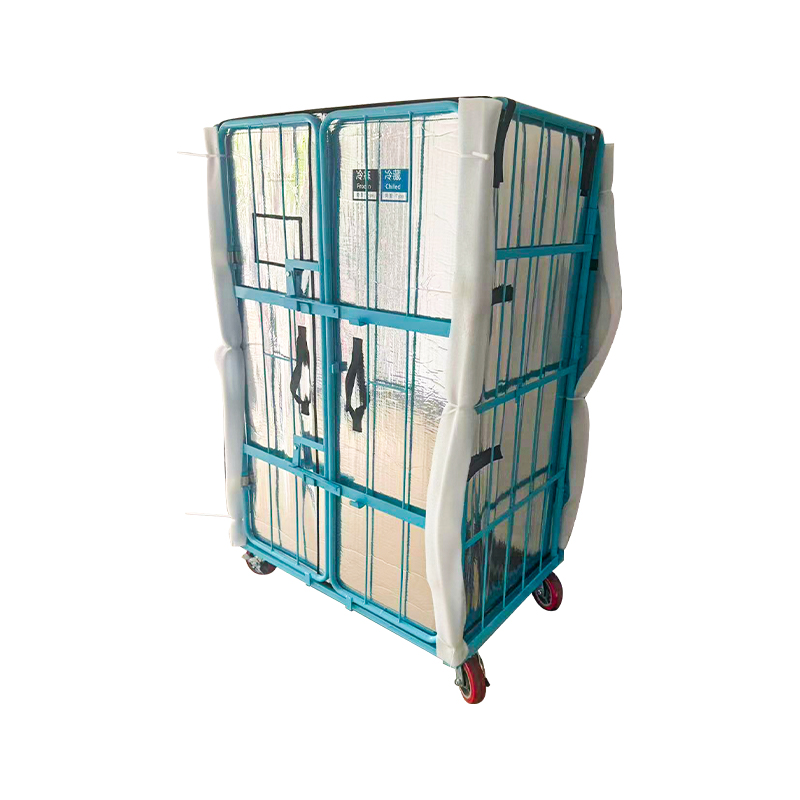
We usually start with four questions: how long is the longest single leg, what ambient temperature is realistic in the worst month, what payload volume and weight must be held, and how will the unit be cleaned between runs. Longer routes reward generous insulation and a well-seated lid; short urban drops often suit a lighter cabinet, or an insulated roll cage that doubles as the picking trolley and saves a handling step.
 Cold Chain Delivery Insulation CabinetsPurpose-built thermal cabinets for retrofit onto carts, trolleys and tricycles, with insulation options and customization for cold-chain delivery routes.View Product →
Whatever the format, insist on a trial with your own payload and a real route before committing to a fleet. A temperature logger in a sample box over two or three days tells you more than any specification sheet.
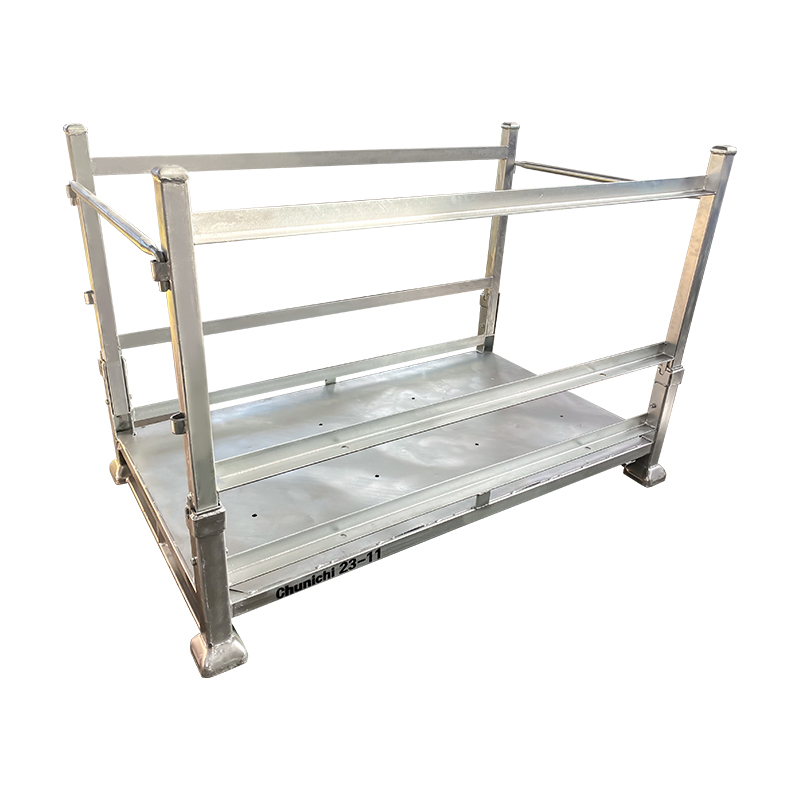
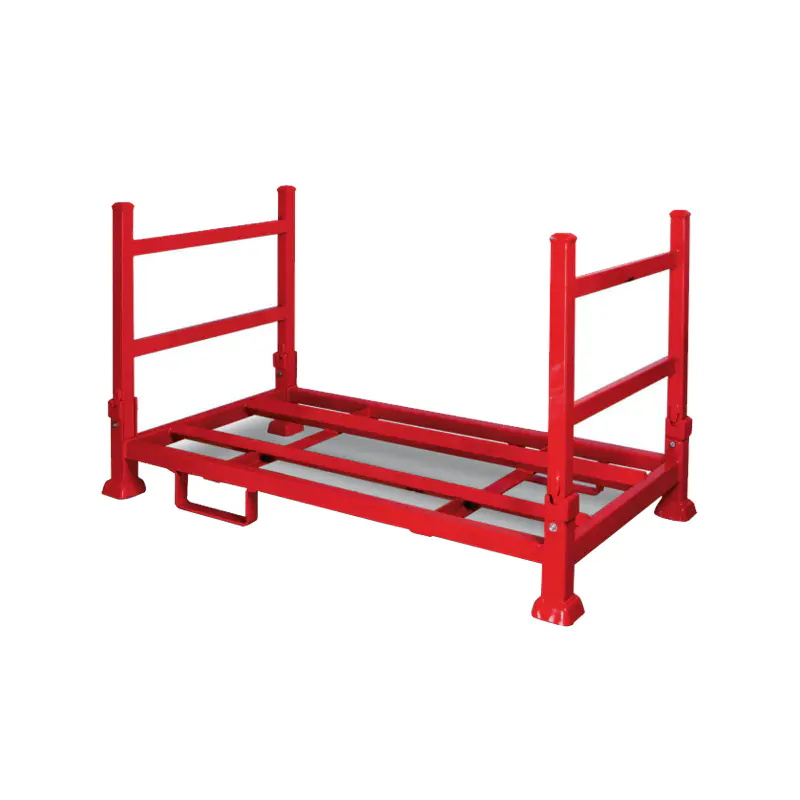
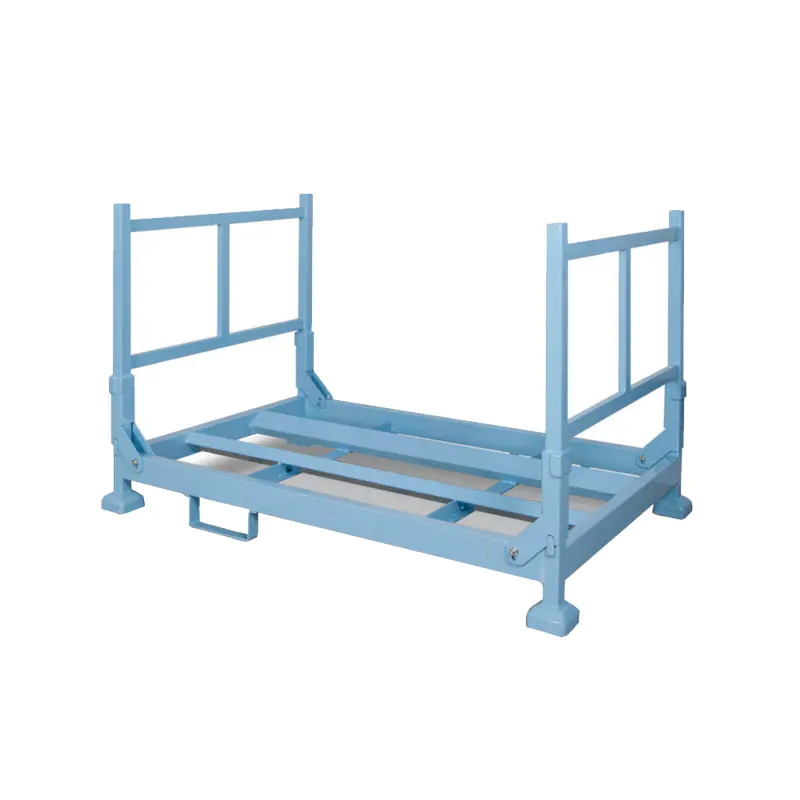
Where temperature is not the constraint, the choice usually comes down to open mesh or closed steel. Mesh gives visibility and airflow, which helps when cartons must breathe or when stock checks are frequent; solid-sided stillages protect light-sensitive and high-value goods from glare, dust and casual access. Above both of them, stacking racks convert vertical space into storage without building another aisle.
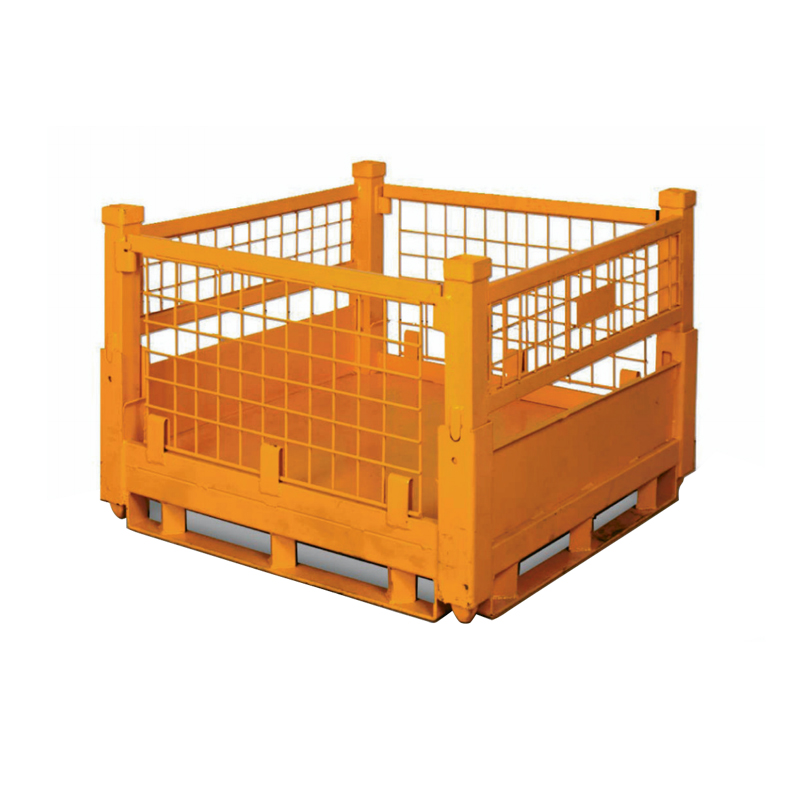 Folding Metal Wire Mesh ContainerFoldable, stackable mesh stillage with 1000 kg load capacity, door jams and tapered feet for secure storage and space-saving return transport.View Product →
Two details deserve attention during selection. First, folding and stacking should be friendly to gloved hands — a stiff latch that saves a few millimetres of steel will cost minutes on every shift. Second, the castors and the floor interface decide whether a loaded roll cage moves smoothly across a dock plate or fights the operator at every threshold.
The table below summarises how the main options usually divide up the work. It is a starting point for a site visit, not a substitute for one.
| Format | Best used for | Main strength | Check before buying |
|---|---|---|---|
| Insulated cabinet or box | Cold chain transport and last-mile delivery | Stable temperature without power | Hold time, lid seal, wash-down routine |
| Insulated roll cage | Ward and pharmacy replenishment | Transport and dispensing in one unit | Loaded weight, castor quality, floor clearance |
| Wire mesh container | Ambient cartons and quarantine stock | Visibility, airflow, folds flat | Mesh size, load rating, hinge wear |
| Solid-sided steel stillage | Light-sensitive or high-value goods | Protection and stackability | Coating quality, drainage after washing |
| Stacking rack | Bulk vertical storage | Uses height instead of floor area | Stability when stacked, forklift access |
Powder coating gives a smooth, coloured surface that is easy to inspect and easy to wipe, and it suits most ambient storage. Hot-dip galvanising is the more sensible answer where wash-down is frequent or humidity is high, because the zinc layer protects edges and welds that a coating only covers. Where hygiene demands are strictest, the design should minimise ledges altogether and allow removable liners or smooth inserts.
It is worth asking suppliers a few blunt questions: which cleaning agents are compatible with the finish, will the coating chalk after repeated wiping, can hinges and latches be replaced individually, does water drain out of the base, and are the castors rated for a wet floor? A container that cannot be cleaned quickly will not be cleaned often.
Most pharma projects replace equipment in a live building, so sequencing matters as much as the product itself.
Off-the-shelf equipment covers the routine cases; the awkward ones tend to involve a specific racking height, a particular gel pack layout or a labelling standard that has to be met. Working directly with the manufacturer shortens that loop, because drawings, coatings and folding details can be adjusted before production rather than after delivery.
Betis employs more than fifty people, produces over 100,000 sets a year, and runs its design and order processes on professional design software and an ERP system. Folding, nesting and stackable structures are central to the range, which matters when empty containers travel back from a distribution centre. The company has focused on metal logistics equipment since 2014 and builds to customer drawings when standard models do not fit.
Good pharma storage equipment tends to disappear into the operation: cages that fold when empty, boxes that hold their temperature on a hot afternoon, stillages that still stack squarely after three years of use. If you are reviewing a layout, a delivery route or a quarantine area, our team is happy to look at the flow with you and suggest the formats that fit it.
Contact Shanghai Betis Logistics Equipment to discuss your requirements, request drawings or arrange a sample trial.
Copyright © 2024 Shanghai Betis Logistics Equipment Co., Ltd. All Rights Reserved.
 Custom Metal Storage Cages Manufacturers

 English
 中文简体
 日本語