Introduction to Storage Rack Safety
Storage racks are essential components in warehouses, retail environments, and industrial settings. However, improper use or lack of safety precautions can lead to serious accidents. Adhering to storage rack safety guidelines not only ensures the safety of employees but also enhances the overall efficiency of operations. In this article, we will explore the best practices and key safety considerations when using storage racks in any facility.
Choosing the Right Storage Rack for Your Needs
Before installing storage racks, it is crucial to choose the appropriate type based on the products being stored and the layout of your facility. Consider the following points:
- Weight Capacity: Ensure the rack can hold the weight of the items to be stored. Overloading can lead to rack failure or collapse.
- Size and Dimensions: The rack should fit within your storage space while allowing for proper aisle space for access and safety.
- Material Durability: Choose racks made of high-quality materials such as steel to ensure long-term durability, especially for heavy-duty storage.
Installation and Maintenance of Storage Racks
Proper installation and regular maintenance are key to preventing rack accidents. Follow these guidelines:
- Secure Anchoring: Ensure that racks are securely anchored to walls or floors to prevent tipping. In high-traffic areas, anchoring is especially critical.
- Regular Inspections: Schedule regular inspections to check for damage or wear. Look for cracks, bent beams, or rust that could compromise the rack's strength.
- Check the load distribution regularly to ensure that weight is evenly distributed across the rack's shelves.
Safe Loading and Unloading Practices
Loading and unloading storage racks can be dangerous if proper protocols are not followed. Here are some safety practices:
- Distribute Weight Evenly: Ensure that items are loaded evenly on the shelves to prevent unbalanced loads that could lead to rack instability.
- Use Proper Equipment: Always use equipment like forklifts or pallet jacks when moving heavy loads. Never attempt to move large items manually.
- Check Rack Integrity: Before loading items, always check that the rack is in good condition and that there are no visible signs of damage or instability.
Training and Awareness
Staff training is one of the most effective ways to reduce rack-related accidents. Employees should be trained on the following:
- Proper Use of Equipment: Train employees to use forklifts and other machinery safely and effectively to prevent accidents when loading or unloading racks.
- Safe Storage Techniques: Instruct staff on how to store items correctly, focusing on weight distribution and shelf load limits.
- Encourage regular safety audits and allow employees to report potential hazards without fear of retribution.
Common Rack Hazards and How to Avoid Them
While storage racks are essential, they pose certain risks that need to be managed. Here are some common hazards:
- Collapsed Racks: Overloading or improper installation can cause racks to collapse. Always adhere to load limits and conduct regular inspections.
- Items Falling Off Shelves: Store items securely and ensure that there are no gaps between shelves that could allow items to fall.
- Forklift Accidents: Inadequate training or distracted forklift driving can lead to accidents. Implement strict operational protocols and designate clear aisles for forklift use.
Conclusion: Prioritize Storage Rack Safety
Implementing proper storage rack safety guidelines is not just a legal or regulatory requirement; it is a proactive way to protect your employees and minimize risks in the workplace. Regular training, inspections, and adherence to loading protocols are essential components of a successful safety strategy. By following these practical tips, you can ensure the safe use of storage racks in any environment, whether in a warehouse, retail space, or industrial setting.


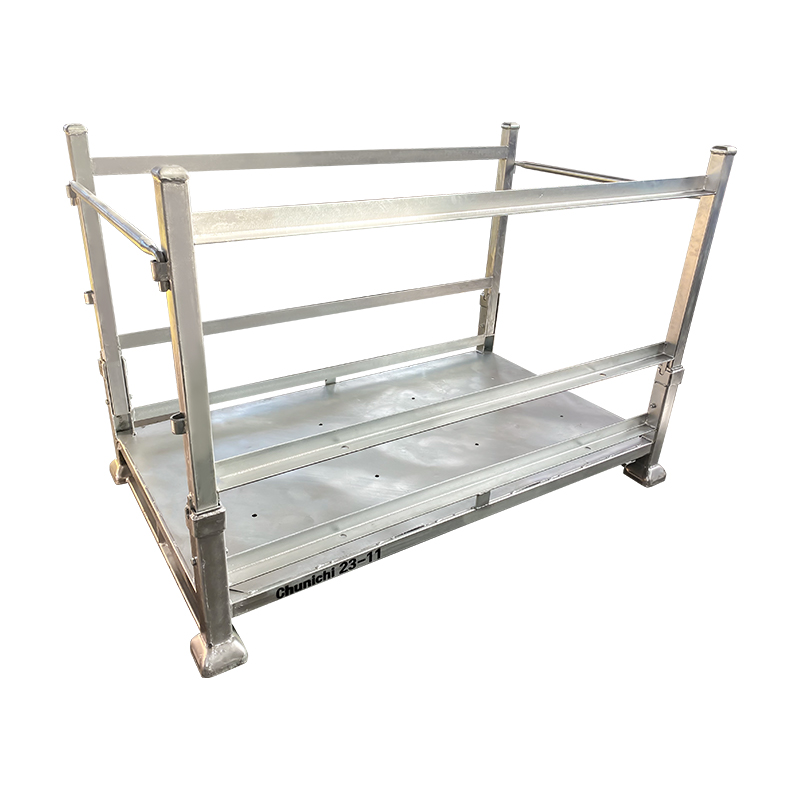
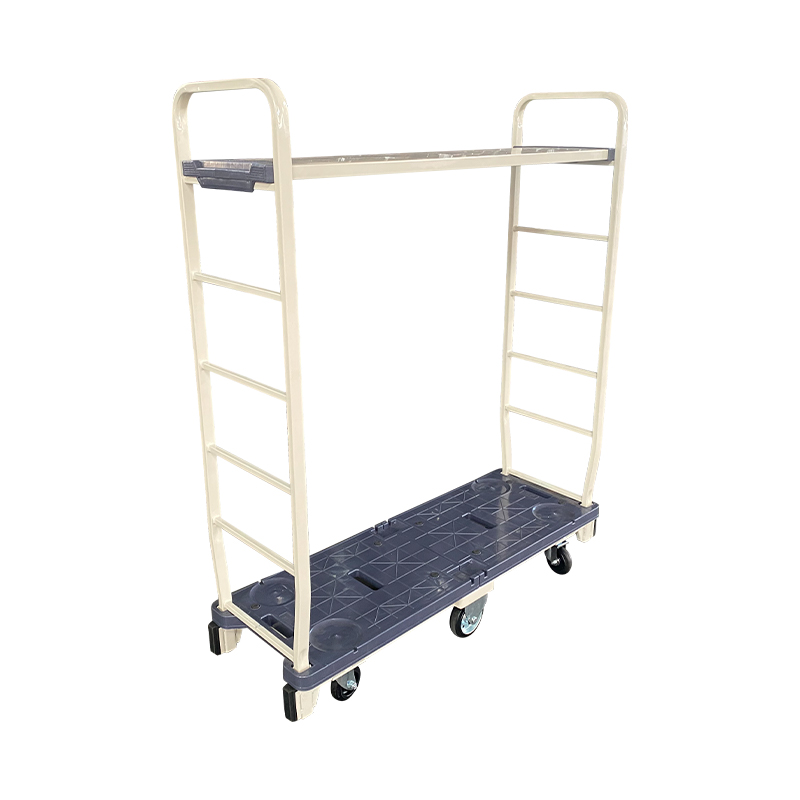
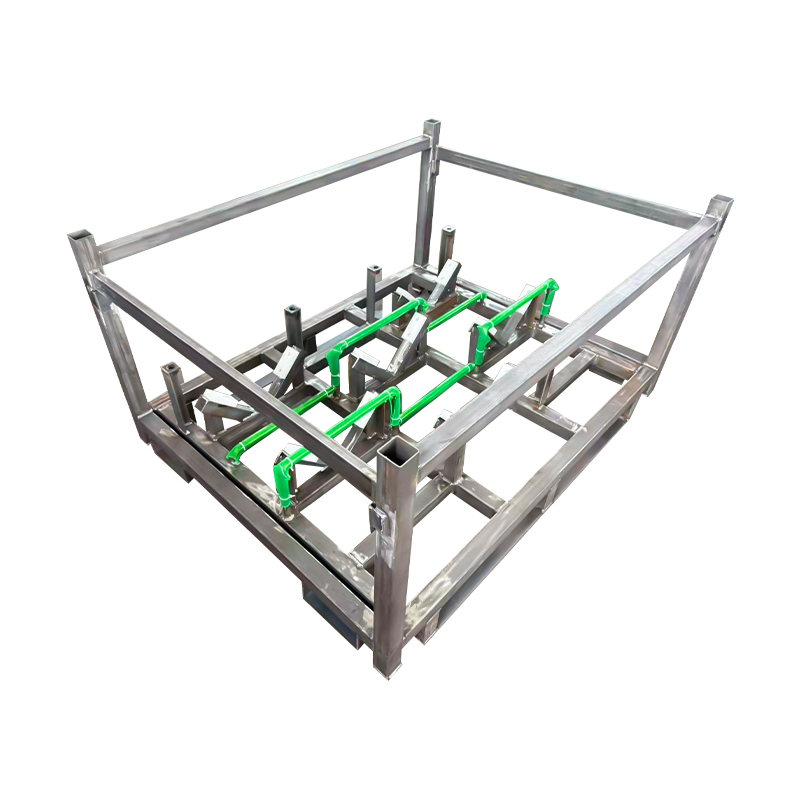
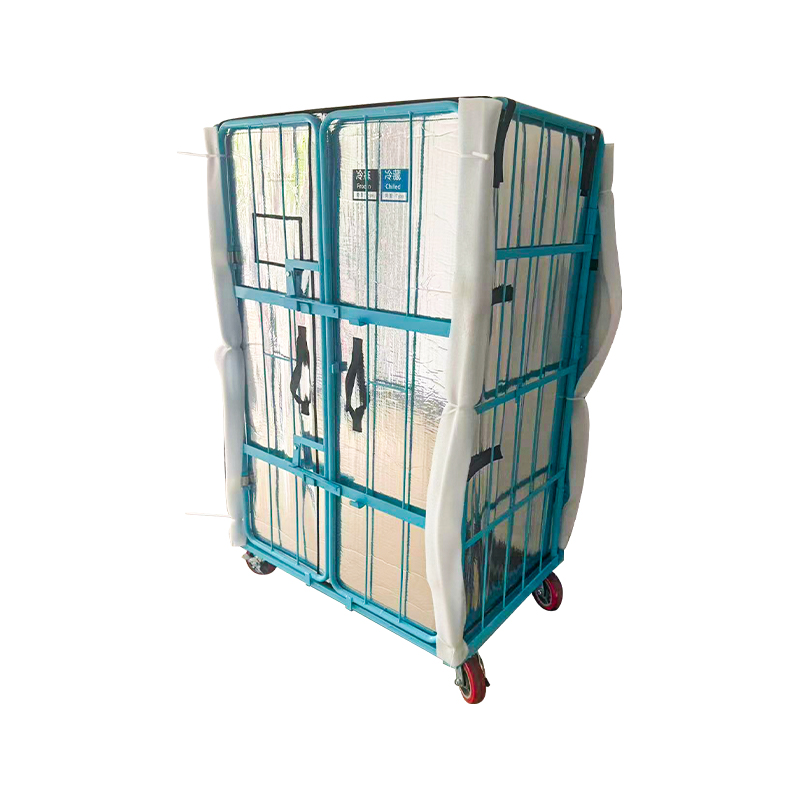
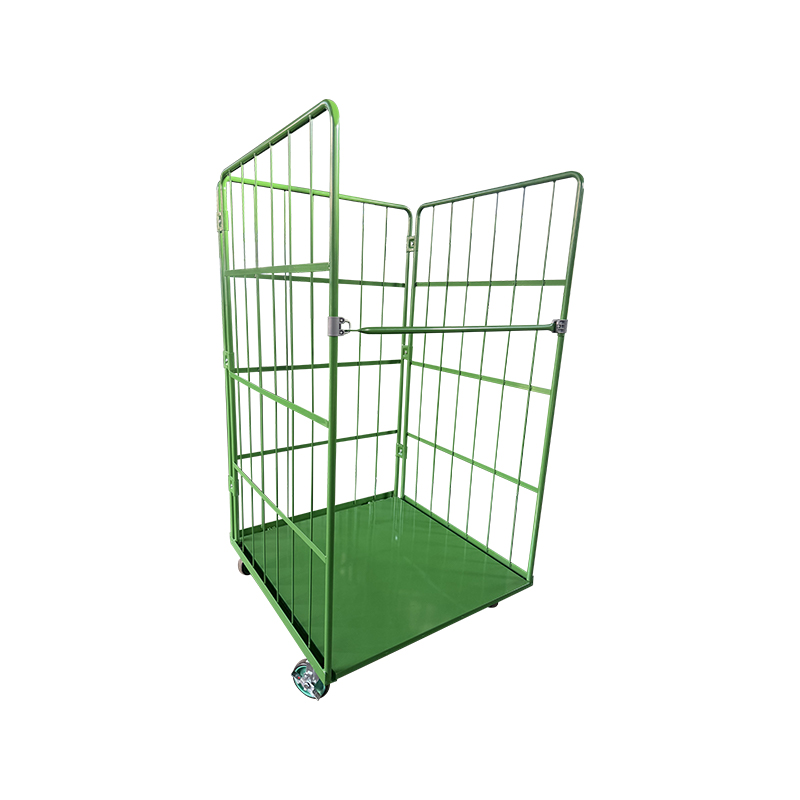
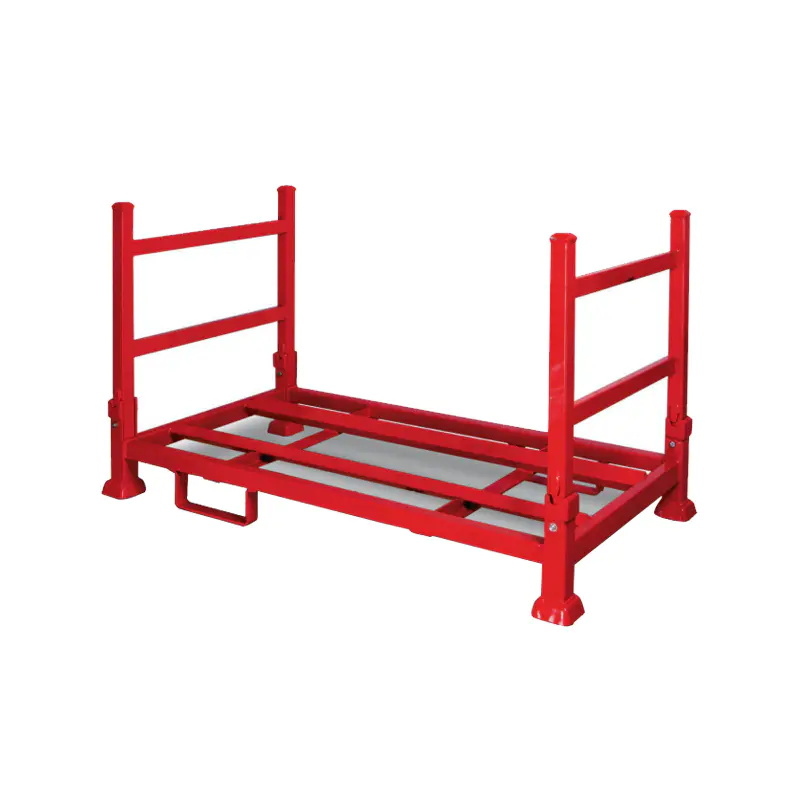
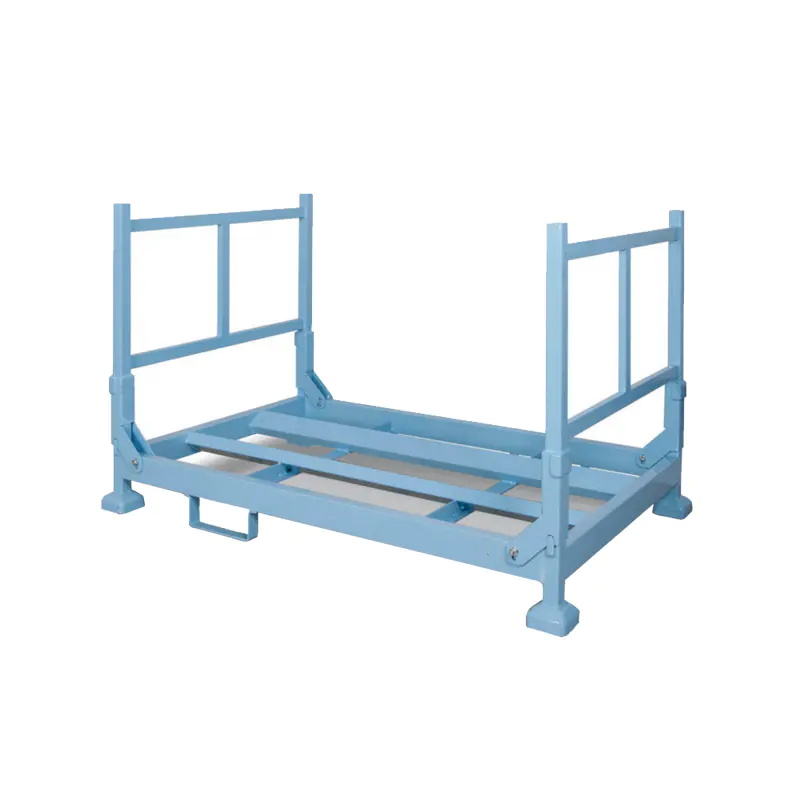

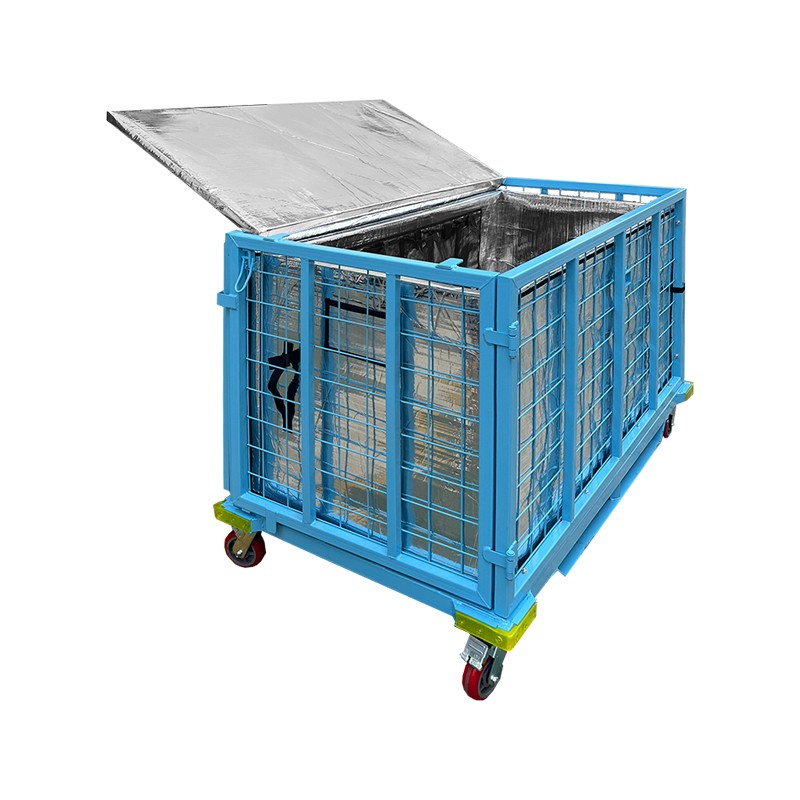
 Custom Metal Storage Cages Manufacturers

 English
 中文简体
中文简体 日本語
日本語