Content
Choose a rack when you need high load capacity, pallet handling, and scalable vertical storage (typical in garages, backrooms, and warehouses). Choose shelves when you need easy access to smaller items, lighter loads, and flexible organization (typical in homes, offices, and retail).
In practical terms: racks excel at storing fewer, heavier units; shelves excel at storing more, lighter units with faster pick-and-place access.
In everyday usage, the terms overlap—but most people are comparing two typical setups:
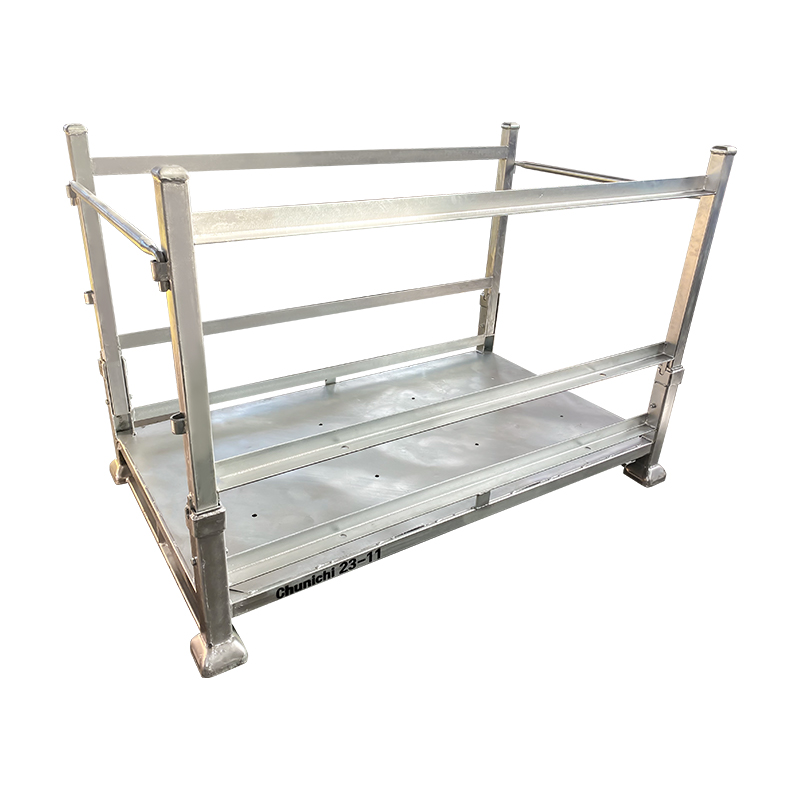
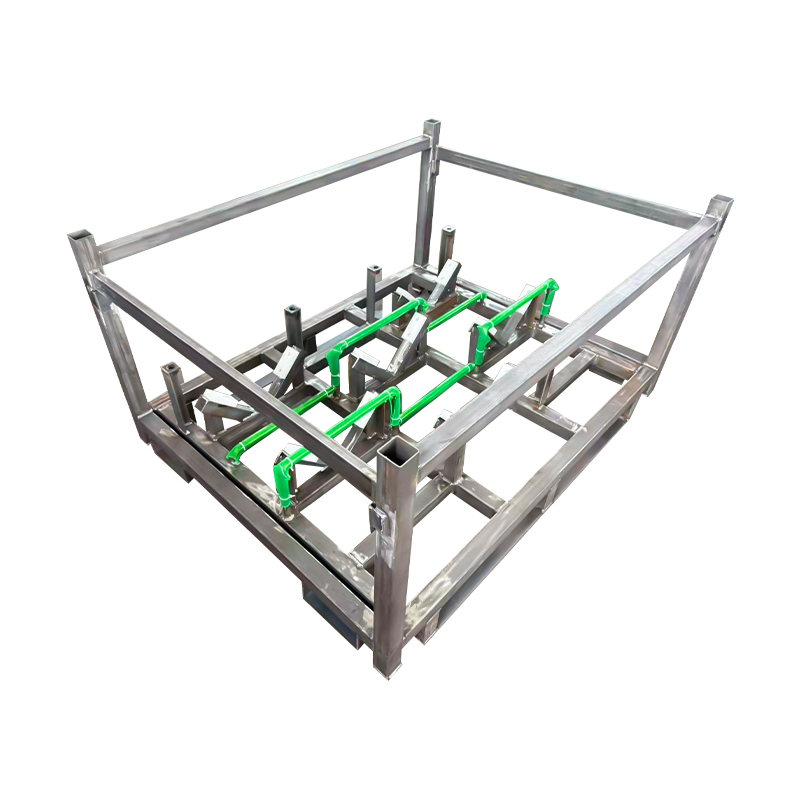
A rack is a structural frame (often steel) designed to carry higher loads, commonly with beams, posts, and adjustable levels. Many rack systems are optimized for bulky containers, totes, or palletized loads.
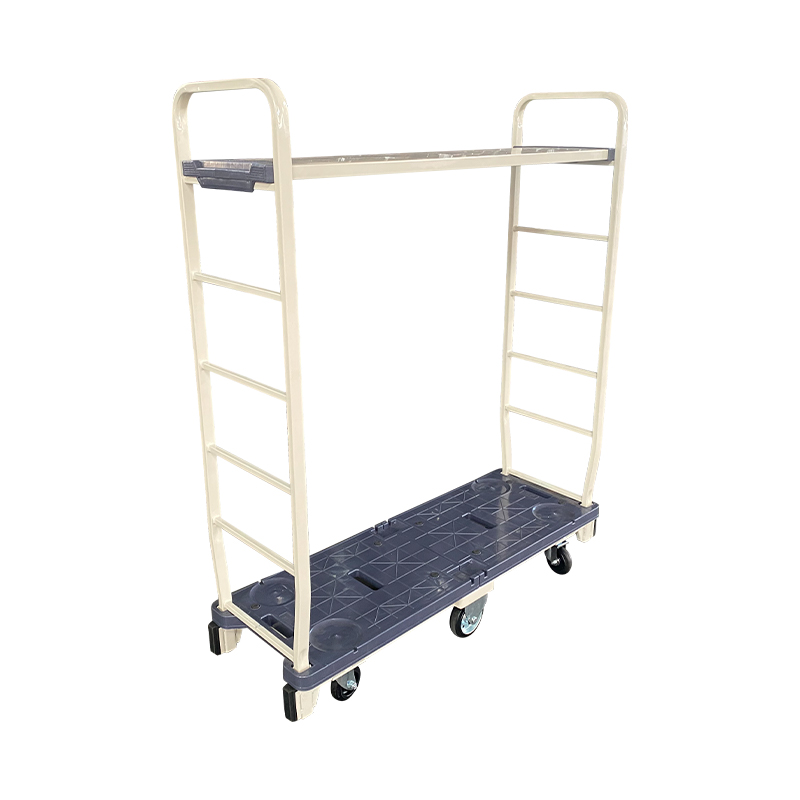
Shelves are flat surfaces supported by brackets or uprights—typically designed for smaller items and easier visibility. They’re often wood, wire, or lighter-gauge steel, and optimized for hand-accessed storage.
The key difference is not the name; it’s the load rating, structure, and how you access items.
Load capacity is usually the deciding factor. As a rule of thumb, racks are built for heavier loads per level, while shelves are built for lighter loads with better “small-item ergonomics.”
| Factor | Rack | Shelves |
|---|---|---|
| Per-level load strength | Higher; often designed for dense loads | Lower to medium; depends on material |
| Best for | Heavy bins, bulk cartons, equipment, pallets | Small/medium items, files, pantry goods, retail pick |
| Access method | Often two-handed; may require lifting aids | Fast hand-access; better visibility |
| Adjustability | Typically modular, adjustable beam levels | Often adjustable; easier micro-adjustments |
| Failure risk if overloaded | Lower when used correctly; engineered for load | Higher if weight is concentrated or spans are long |
If you routinely store any single item that approaches a person’s “hard lift” range, prioritize a system with a posted rating and a structure designed for it. In most spaces, the safest guiding principle is: if weight is a primary constraint, lean rack.
Both can store vertically, but they do it differently. Racks usually give you stronger vertical density—especially when your “units” are large and stackable (totes, cartons, or heavy gear). Shelves often win on “usable density” for small items because you can segment and label more naturally.
If you’re storing 6 large storage totes, a rack with two heavy-duty levels can keep them accessible without bowing. If you’re storing 120 small parts (fasteners, craft supplies, skincare backstock), shelves with bins/dividers typically reduce search time and improve visibility.
Most “rack vs shelves” problems show up as stability issues: tipping, sway, or sagging. The fix is usually not switching categories—it’s matching the system to the load and anchoring appropriately.
A solid rule for longevity is to treat published load limits as a maximum, not a target. Planning around 70–80% of rated capacity typically reduces sagging, fastener loosening, and deformation over time.
The headline price can be misleading. The real cost is “storage achieved safely,” not “metal purchased.” Racks can cost more upfront, but they often reduce the number of units needed when you’re storing heavy or bulky loads.
If you’re organizing many small items, budget for the “organization layer” (bins/dividers/labels). If you’re storing heavy loads, budget for the “structure layer” (rated frame, bracing, anchors).
The fastest way to decide is to match the system to the work you do around it: storing heavy items is different from picking small items daily.
If you’re split between the two, a common hybrid is: rack for bulk reserve plus shelves for daily pick stock.
Use this quick framework to decide without overthinking:
If you’re unsure, decide by the heaviest 10% of what you store. If that top slice is heavy, select a rack system that comfortably supports it; then organize lighter items with bins or shelf inserts as needed.
The most reliable rule is simple: pick racks for strength and bulk; pick shelves for access and organization. If your space handles both types of storage, a hybrid approach usually delivers the best outcome—bulk inventory on racks and daily-use items on shelves.
Copyright © 2024 Shanghai Betis Logistics Equipment Co., Ltd. All Rights Reserved.
 Custom Metal Storage Cages Manufacturers

 English
 中文简体
中文简体 日本語
日本語